I started milkweed, parsley, chives, and Mexican sunflowers today.

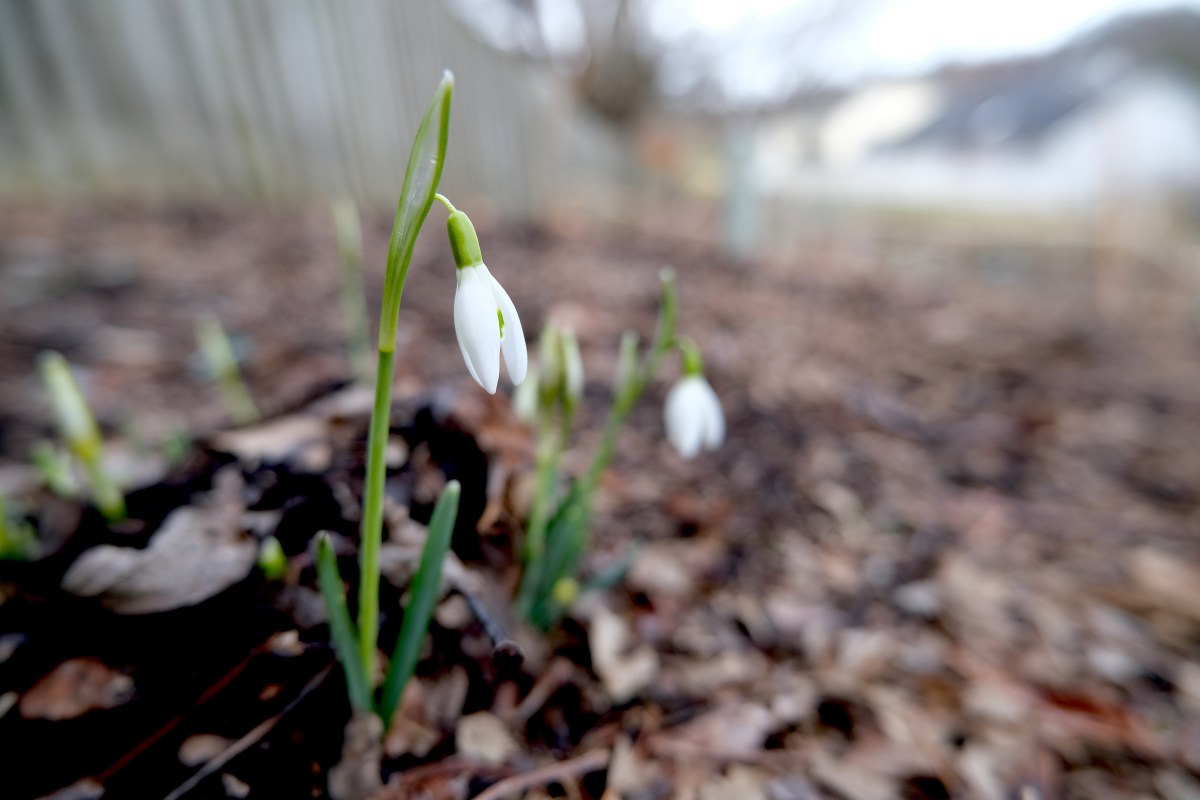
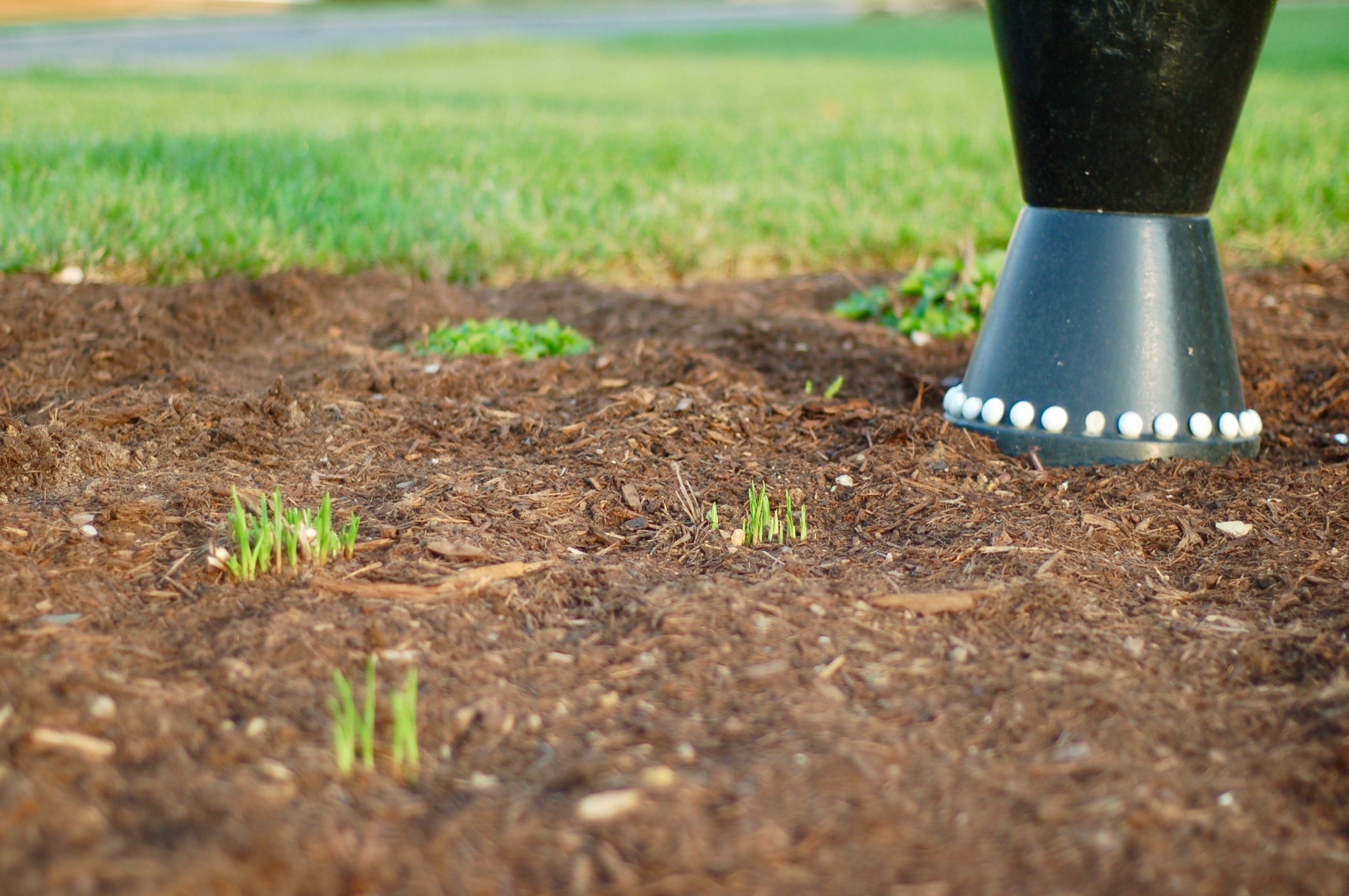
Also, as I wrote about on my main blog, crocuses are now blooming, along with snowdrops. And today I saw the first bee of the season!


Photographs and thoughts from Andrea Badgley's garden
I started milkweed, parsley, chives, and Mexican sunflowers today.
Also, as I wrote about on my main blog, crocuses are now blooming, along with snowdrops. And today I saw the first bee of the season!
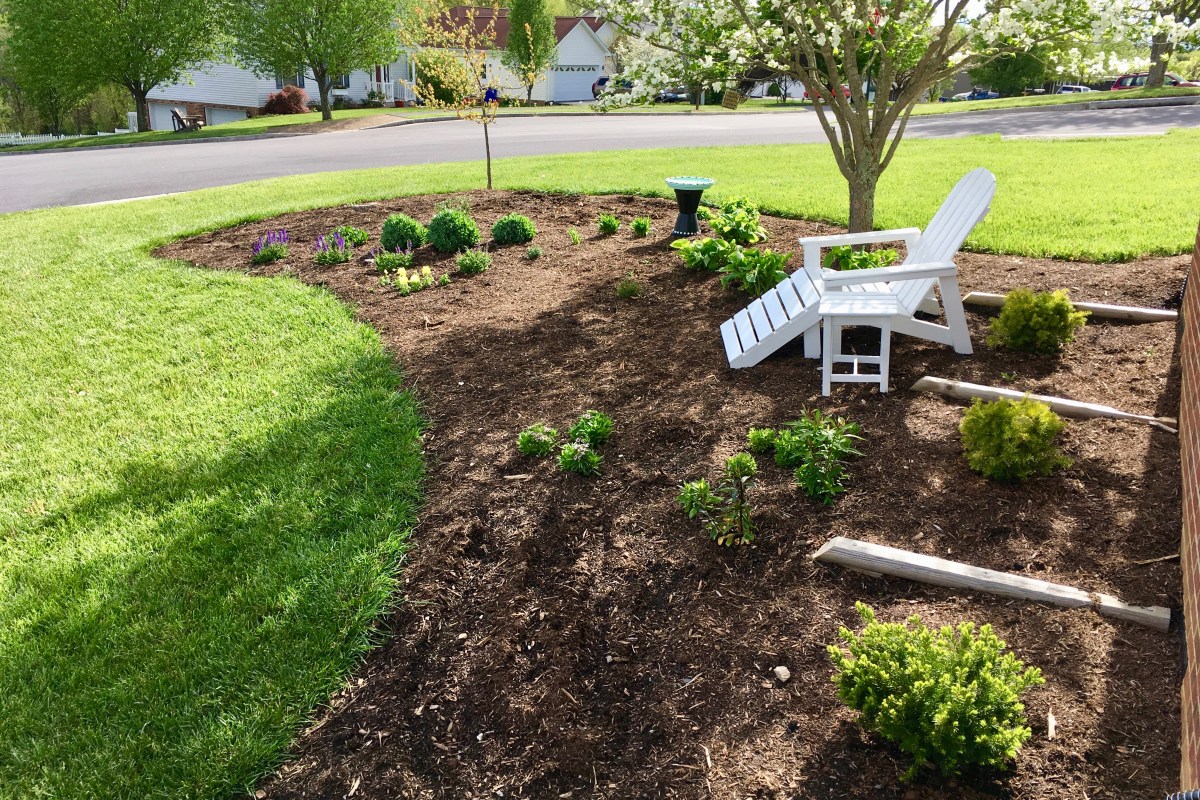
I’ve been simultaneously eager about and dreading the final round of seed-sowing. Seeds are a lot of work, and while I want the seeds to be in the ground and the plants to be grown and flowering, I didn’t want to have to put the seeds — all the many scores of them — in the earth myself.
But I did. What cost us $50 in seeds will give us an enormous number of plants that probably would cost $300-$400 to buy them fully formed at a nursery. The past two days I did a ton of tiny things in the garden that are currently invisible — I sowed seeds directly in the flower beds:
I also did the equally unexciting job of transplanting seedlings that I started indoors several weeks ago:
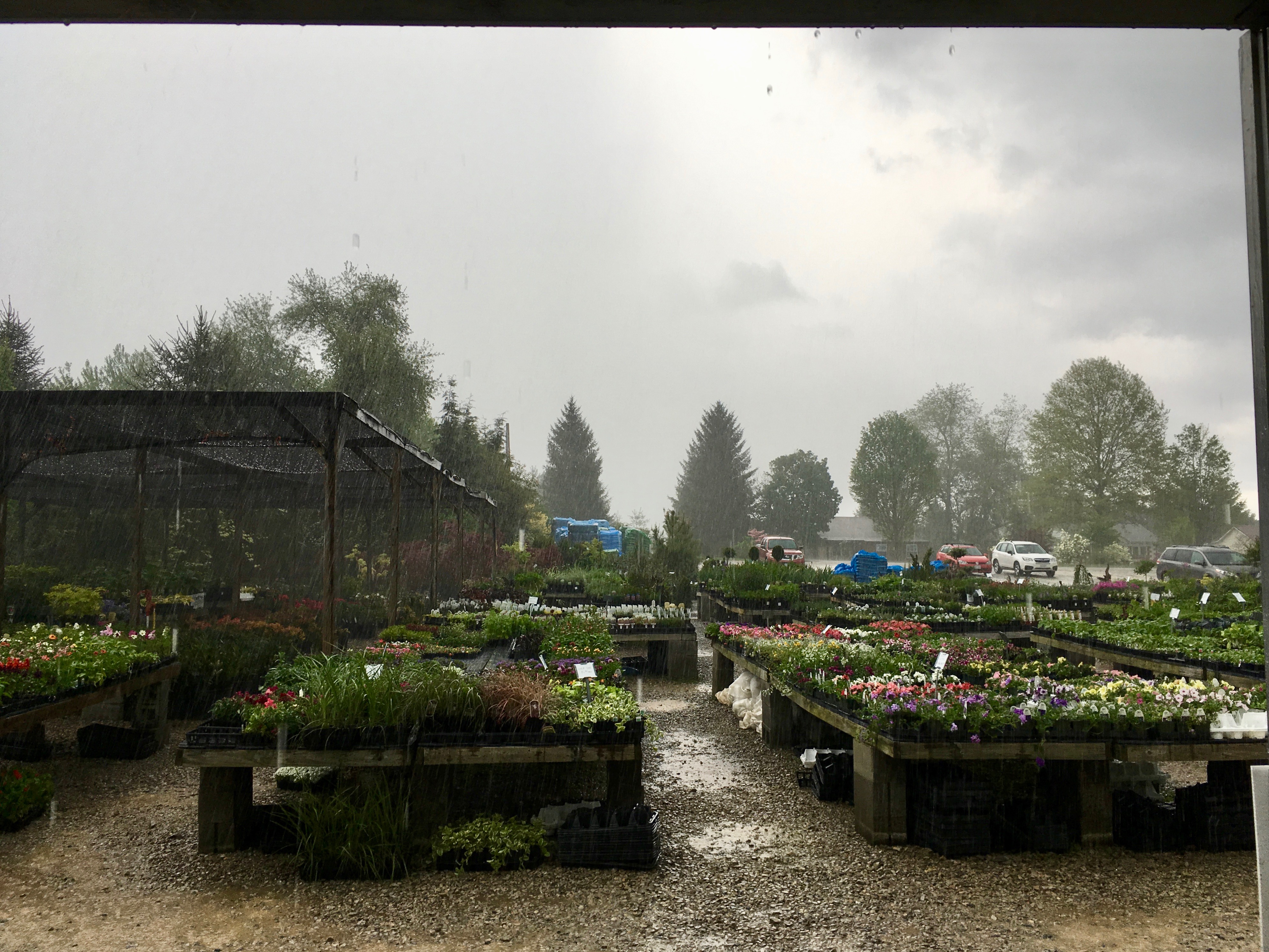
And, because all of those things require tons of waiting, and I want instant gratification, I took a trip to the nursery. Actually, I think I went to the nursery every day — Friday, Saturday, and Sunday. I got caught in a spring shower there yesterday, which was fun. The plants look so pretty in the rain.
In addition to the seeds I sowed, and the seedlings I transplanted, I also bought some already flowering plants (and an ornamental grass I’ve been waiting for) and put them in the ground:


As far as everything else going on in the garden, the indigo Salvia is in bloom — the first of the perennials to flower — and our buttery snapdragons look adorable against the blue. The yarrow has fat flower buds now, and the new veronica I bought a few weeks ago is starting flower spikes as well.
All the perennials I moved from the front to the back hill beds seem to be surviving, so I’m keeping my fingers crossed that they continue to survive and thrive out there. I spend a lot of time now sitting on the table on our back deck so I can watch the garden grow, and watch the birds at the bird feeder. We saw an indigo bunting yesterday! It was a gorgeous deep teal, almost a peacock-blue color, but a little less green.
The hardest work is done now: killing the grass, mulching more than 2000 square feet of flower beds, digging in rocky soil, transplanting dozens of plants, nursing seeds for weeks indoors before moving them outside, prepping the earth to sow seeds, actually sowing seeds in.
I’ve only got a few more things left to do (besides the constant weeding) — a few more transplants, starting some basil seeds. I think my gardening from here on out will primarily consist of maintenance, watching things grow, and enjoying it :-).
Here are some photos from early May. I always like to compare later in the season — it looks so bare now compared to how it’s likely going to look in July.


It’s two weeks until our average final frost date (April 29), and I spent this weekend sowing seeds: Cleome, Bachelor’s Buttons, Coreopsis, and Brazilian vervain, along with lettuce, tendersweet peas, and some more chamomile and feverfew.

I repotted my little bluestem and Scabiosa seedlings — their roots extended for inches beyond the hole in the bottoms of their beginner pots — and put all the seedlings outside for a little while yesterday and today to start hardening them off. I may be doing that too soon.
I also, for the first time ever, planted some ornamental grasses. I’m really excited about these, especially since we get a lot of wind. They are graceful in the breeze, with their blades waving. I bought two natives (Muhly and switch grass) and two others that I just like the looks of and that were the right size for the space I wanted to put them in.
All of these are planted in the new bed on the back hill:


Apparently it is still early for grasses. I have two more I want: a pink muhly for the mailbox, and three prairie dropseeds for the front bed. I’ll keep going back to the nursery every week until they come in.
I’ve got a couple more rounds of seeds to sow. The main batch is the week after the final frost date. That’s when I can put in the sunflowers, zinnias, dill, basil, Dianthus, and nasturtiums. And then, I wait. Wait to see if my transplanted perennials emerge and survive on the hill. Wait to see which seeds sprout. Wait to see comes up that I’m not expecting.
Every day, I walk the garden looking for new leaves, new buds, new sprouts. Birds hop around in the beds, nabbing insects and worms. The flower beds are much more interesting and lively than a grass lawn.
I love this time of year. I know things are happening underground that I can’t see, and that every day there will be something new to delight me. The anticipation is delicious.
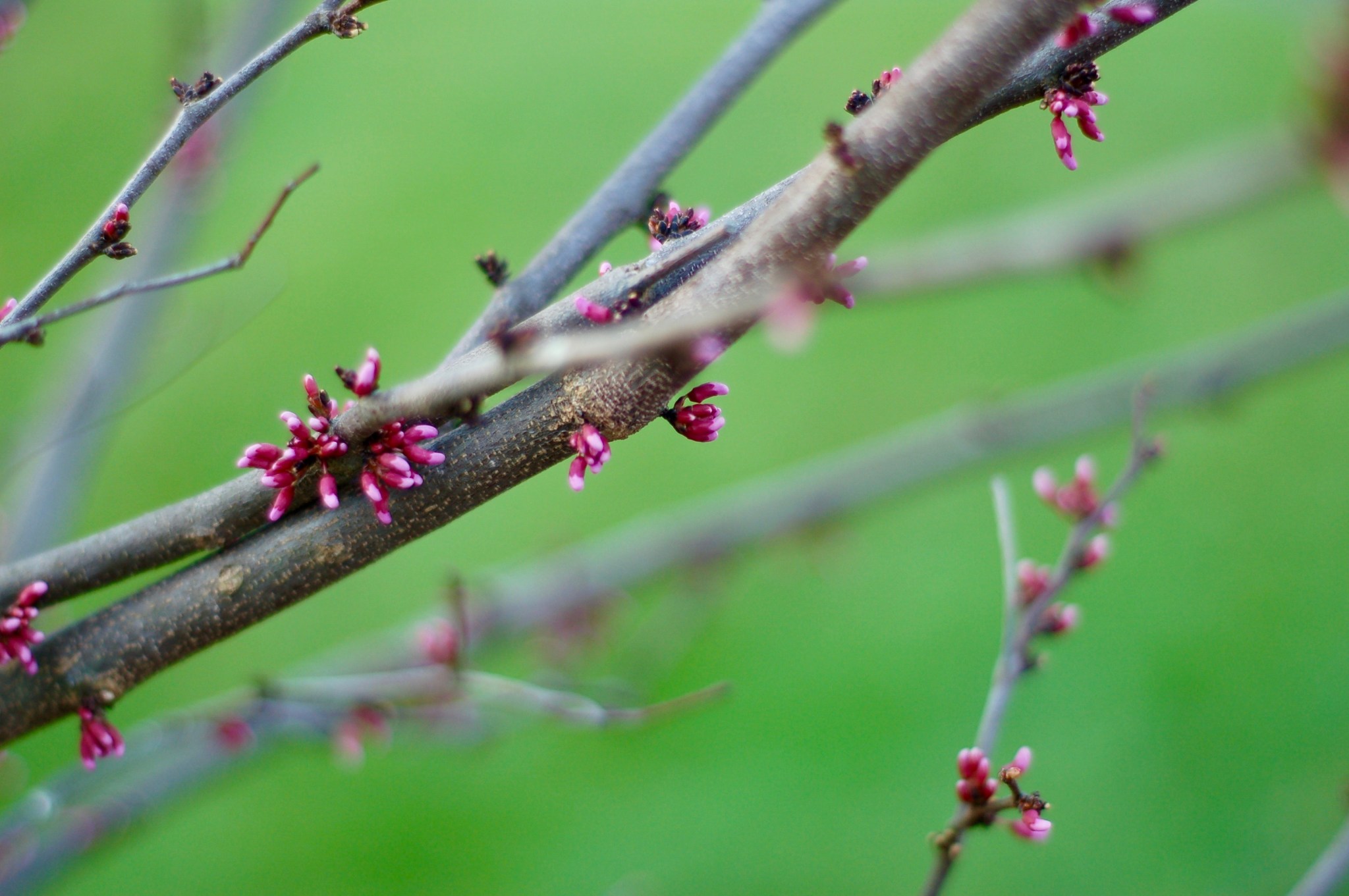
For now, I took advantage of this grey morning to get out my real camera and document what’s happening in the garden right now. This time last year, the redbud and dogwood were in bloom, and a lot of the herbs were already out and green. Not so this year. Not yet.

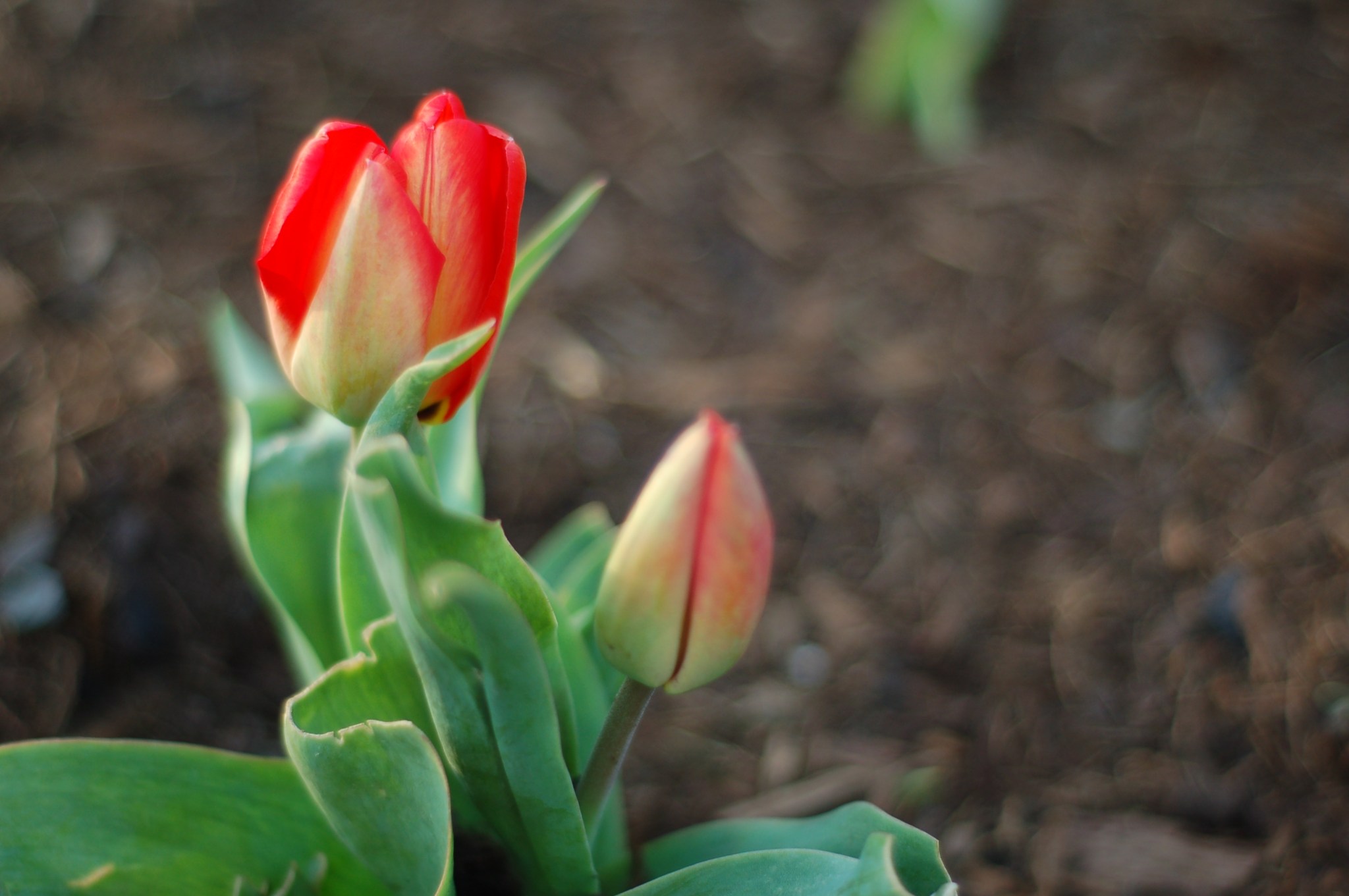
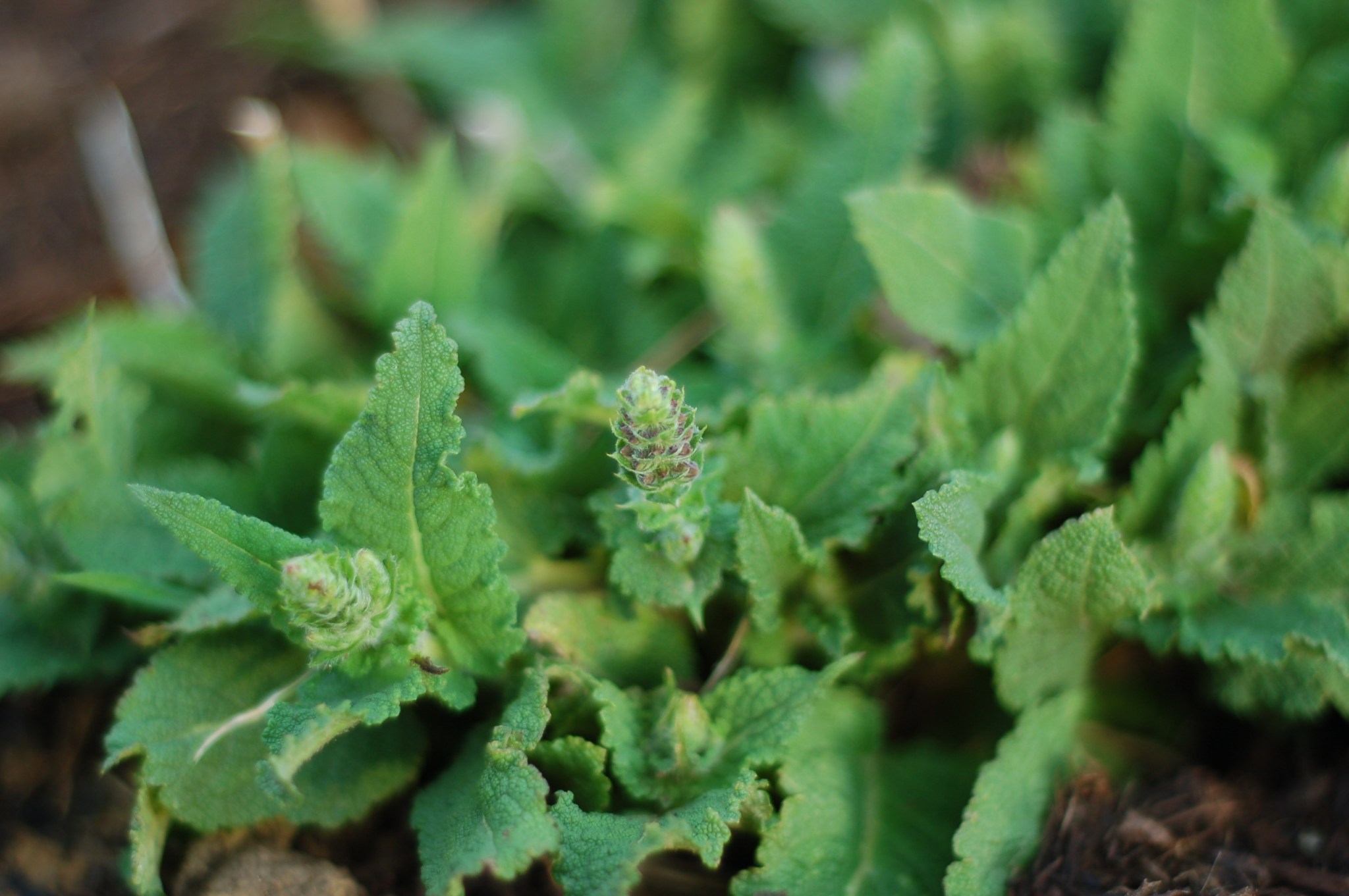
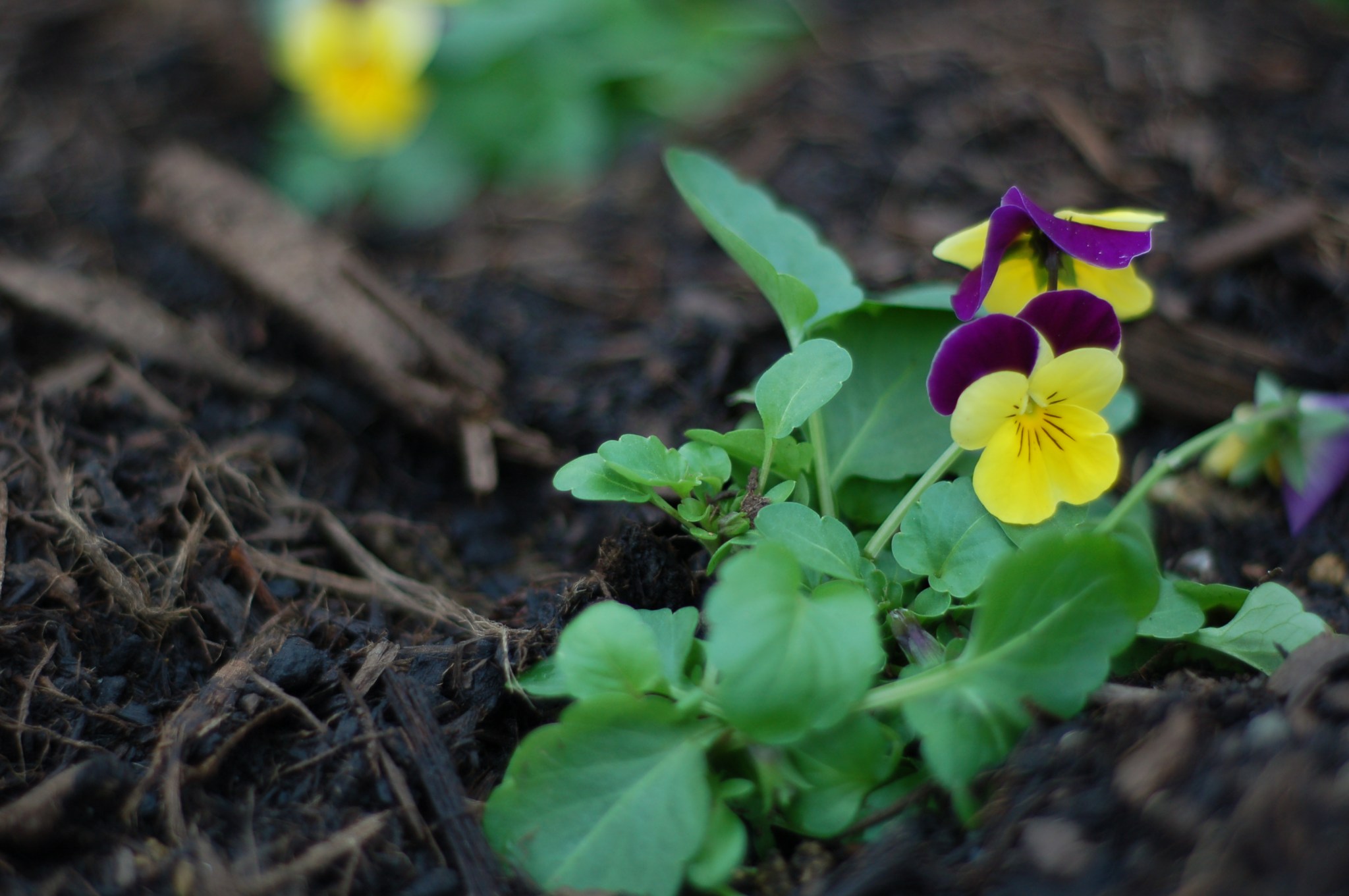
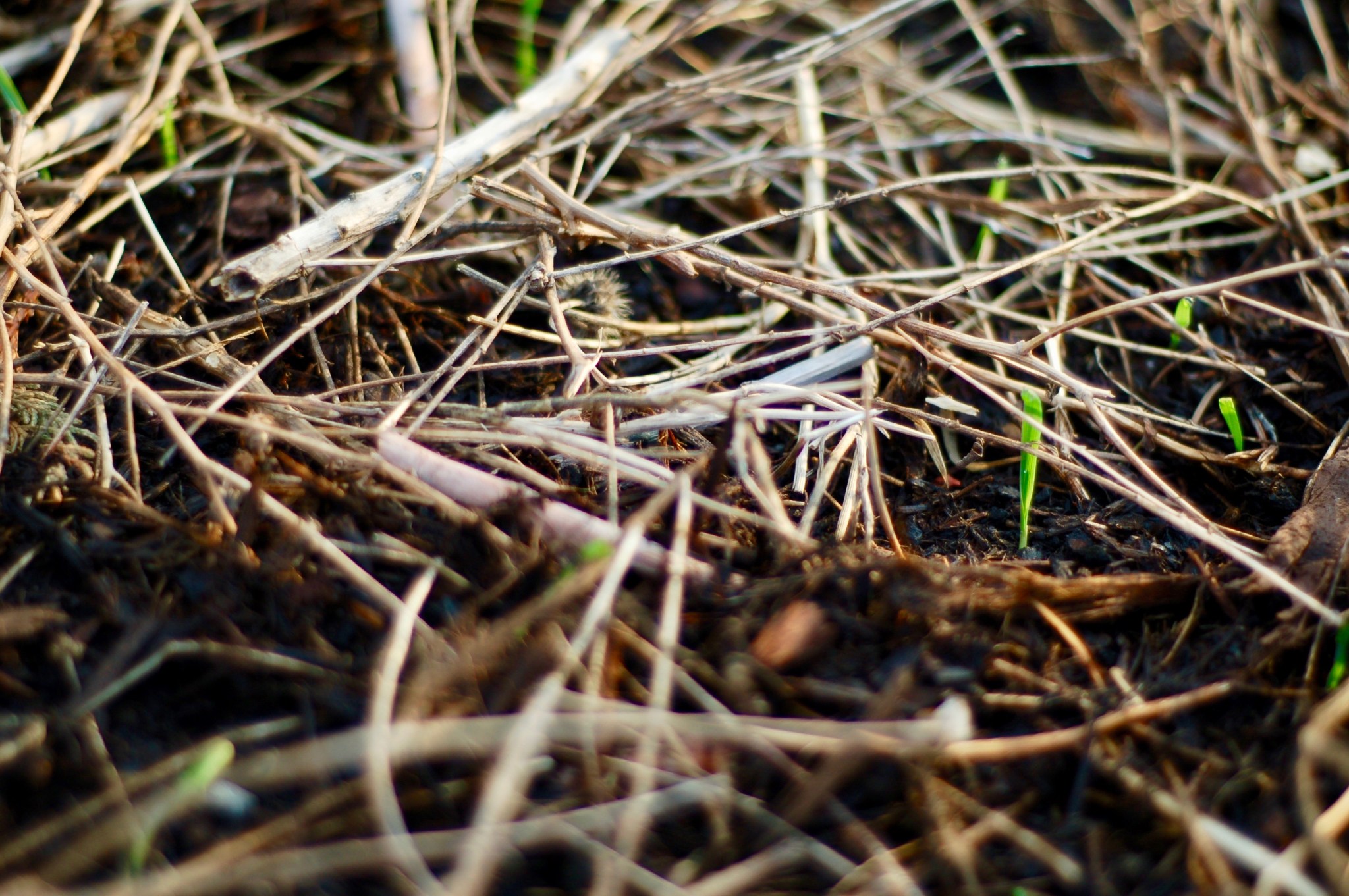
We’re expecting to get a ton of rain tonight and tomorrow. I hope it doesn’t wash all my seeds away. Monday night’s low is 32℉ (0℃), so I hope everything survives.
I’m okay with everything holding off for a couple more days until this storm passes through, and it gets cold, and then it warms up again. Then the trees can bloom and my seeds can start sprouting.

We got another doozie of a snow. I think it was probably 8 inches, but I don’t know for sure.

I forged ahead anyway. I’m pretending this is the final snow, and I planted more seeds indoors today:
I cleared out all the pots that hadn’t sprouted yet to make room for these new seeds. Only 4 of the original 12 Scabiosa seeds emerged from the March 4 planting, so I started some more. The ones that sprouted look healthy, so here’s to hoping at least some of these new ones will come up.


I had planned to take this week off to garden, but was fortunately able to push it out one more week. I don’t really want to garden in the snow. Hopefully next week it will be a little warmer for digging around in the beds.
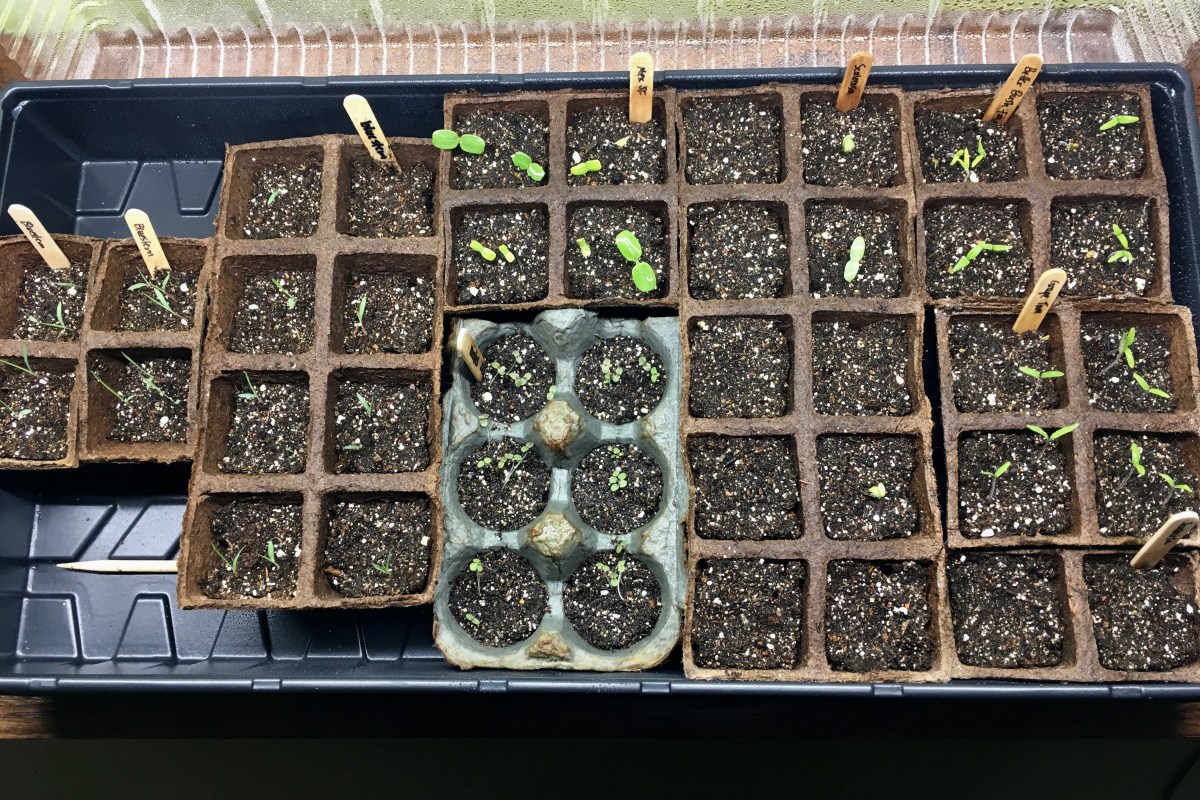
We planted these seeds on March 4, 7 days ago. The Mexican sunflowers and tomatoes started sprouting on March 9. They are growing under a shop light, I think it’s this 2.8 ft LED one.


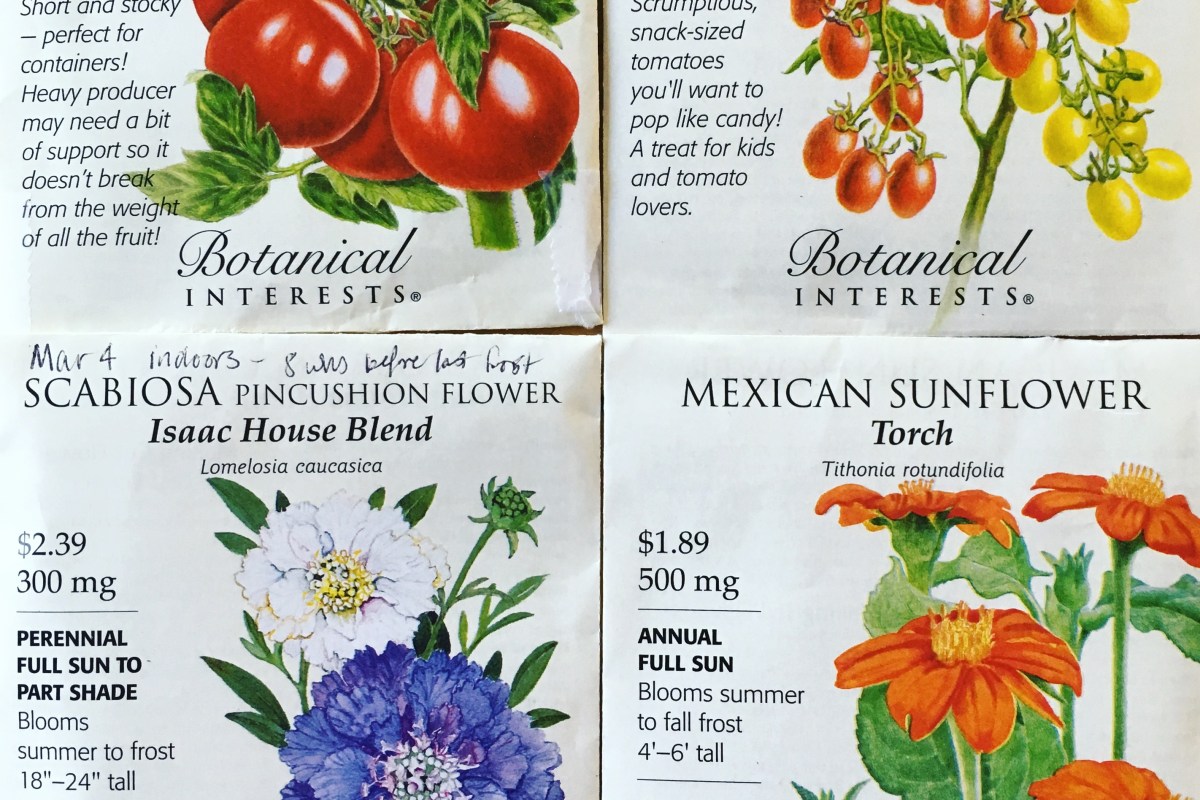
I’m attempting to manage more than 2000 square feet of flower beds, starting half of that area from scratch and completely reorganizing the other half. My to-do lists are long, and I can’t remember everything I need to do. Or, as is more often the case, I get out there and start on the first true need, then get distracted by a thousand other things I also need to do, but aren’t as high priority.
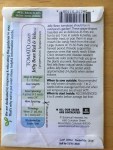
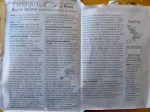
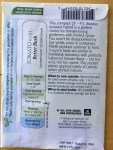
So when I have a long list of things to do in the garden, and I don’t want to destroy my gardening notebook by dropping it in the dirt or spraying it with the hose, I take photos: of my list, of the bed designs, of the seed packets. Then when I’m out there, I know what I need to do, where plants need to move, and what depth to plant seeds.







I didn’t get to moving the Rudbeckia, pulling out the mint, or transplanting the hydrangea, and I decided to wait until it’s a little warmer to put the globe thistle in the ground, but we did get to these things:
– Pulled the purple vervain seeds out of the fridge (started Feb 11; should be able to expect seedlings sometime between March 18-25)
– Started indoors: Mexican sunflower seeds, Scabiosa seeds, and two varieties of tomato seeds.
– Transplanted 4 clumps of bee balm: 1 to underneath window on side of house, 1 to bed 3 and 2 to bed 4.
– Transplanted 2 Shasta daisies to bed 5.
– Son mowed grass.
– Daughter planted Liatris (blazing star) corms in bed 5.
– Daughter planted Crocosmia corms in bed 4.
– Trimmed lavender and transplanted to bed 5.
– Daughter planted tendersweet pea seeds.
– Finished erecting rabbit fence around veggie garden.
The high was 53 today, and the low tonight is expected to be 26. Now I just have to have patience to wait for the green. I hope everything survives!
Spring is near! It’s been in the 70s most of this week, and today, before a few days of rain set in, I did the following:
Transplants
Seeds
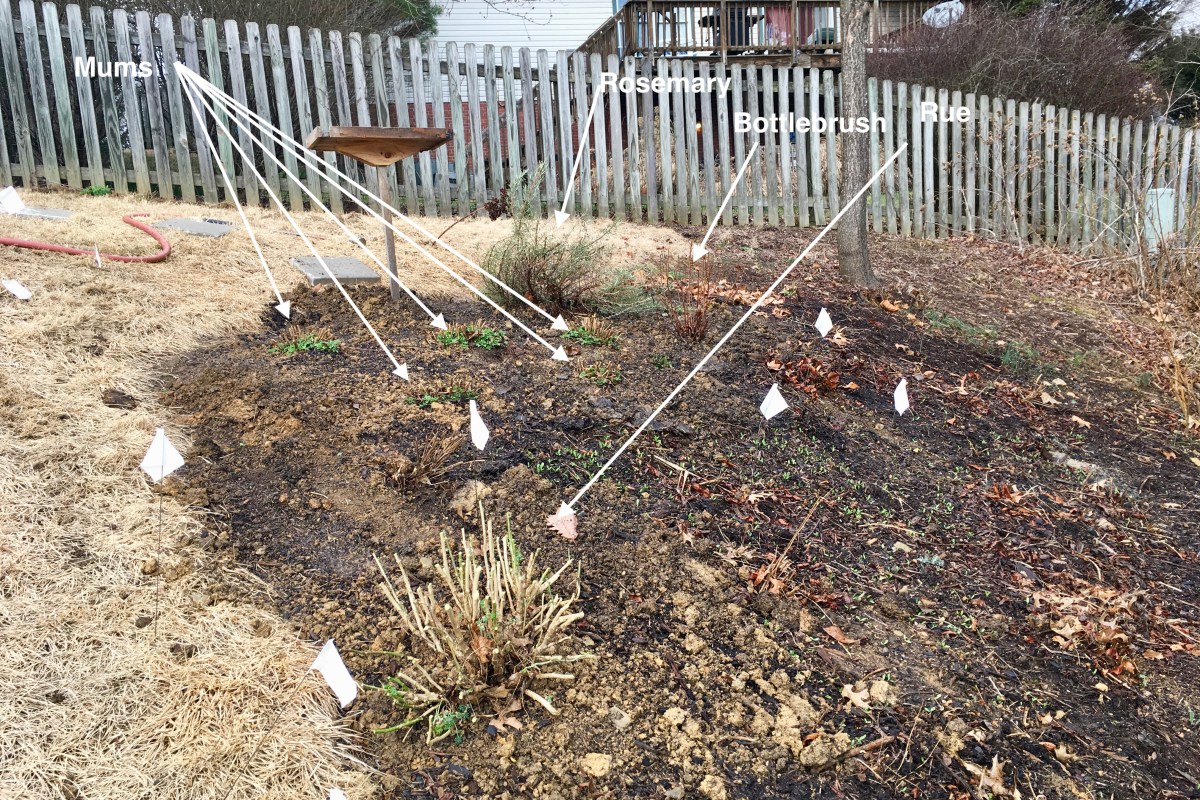
Last night I scraped each blue bonnet seed across an emery board to rough up the surface, then soaked the seeds in boiling water over night. After moving the mums and rue out of the way where I wanted to plant the blue bonnets, I smoothed the dirt as much as possible and drew a pattern in the soil for where I wanted to plant each seed type.
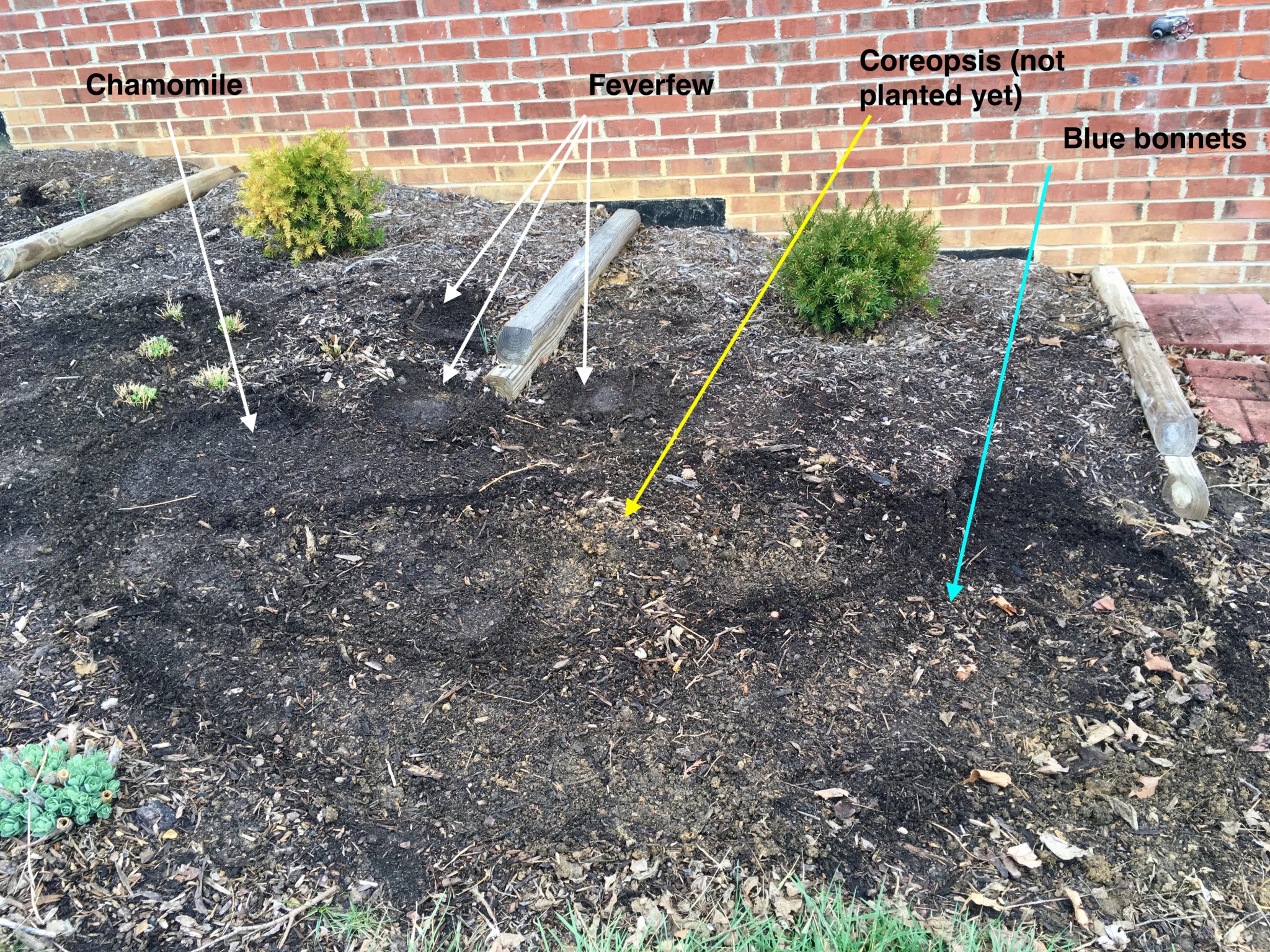
I sowed chamomile, feverfew, and blue bonnet seeds and sprayed them in. Coreopsis seeds need to be sowed when it’s warmer. I can expect the seeds to sprout anywhere from 10-25 days from now, depending on the weather. It may take longer, but I think now that they’re out there they can make their choice about when to emerge.
Colder weather is coming — it will still be warm during the day but will drop below freezing at night, so we’ll see how everything does. Here are some photos of what the garden looks like in late February:


And planning diagrams/seed packet instructions:


I happened to check my viola seeds yesterday, and they sprouted! After a week in the fridge, and then a week out of the fridge but still in darkness, I opened the egg carton lid and saw these little yellow sprouts, trying to find some light:
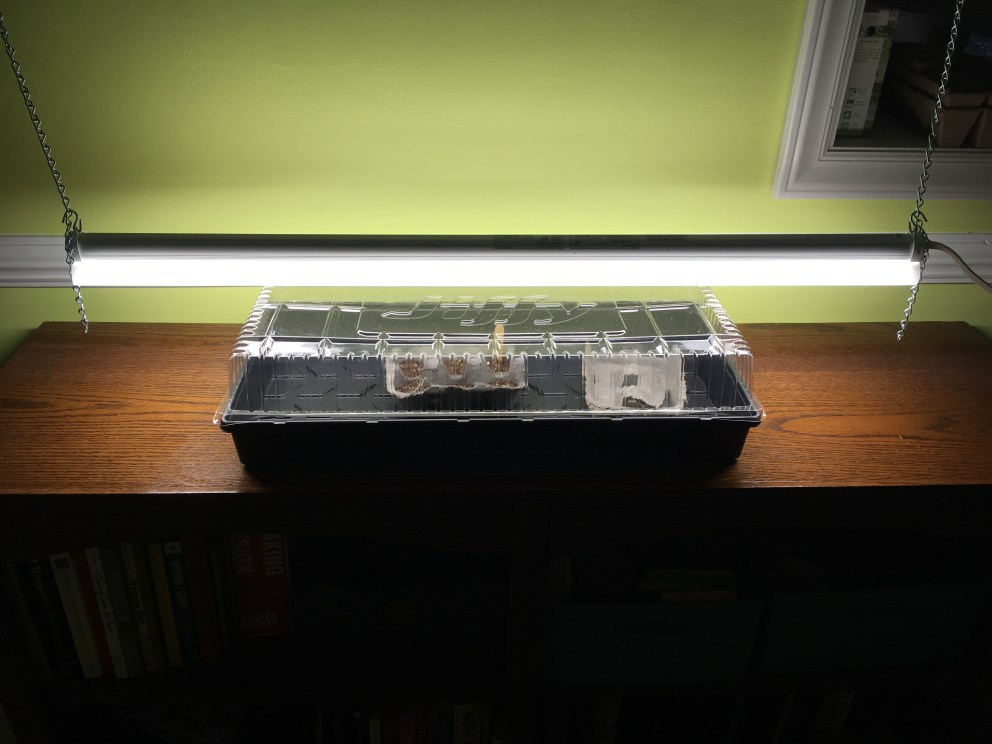
We hadn’t set up a light for them yet, so my husband hung the shoplight while I figured out the timer, and after one day under lights, our little sprouts are greening up. They’re the only seedlings under the light right now — the bluestem and purple vervain seeds are still in the refrigerator — but soon they’ll have company.
We had a run of above freezing temperatures last week (highs in the 50s and 60s, lows ranging from 29 to 55), and today is bright and warm. There may be some new grass growing — I see green out there where there was only brown last week. I strolled the garden, comfortable in a long sleeved shirt and vest, and saw that tulips are pushing up down by the mailbox:
And the tulips my husband gave me for Valentine’s day will start blooming any minute:
Spring is finally in sight!
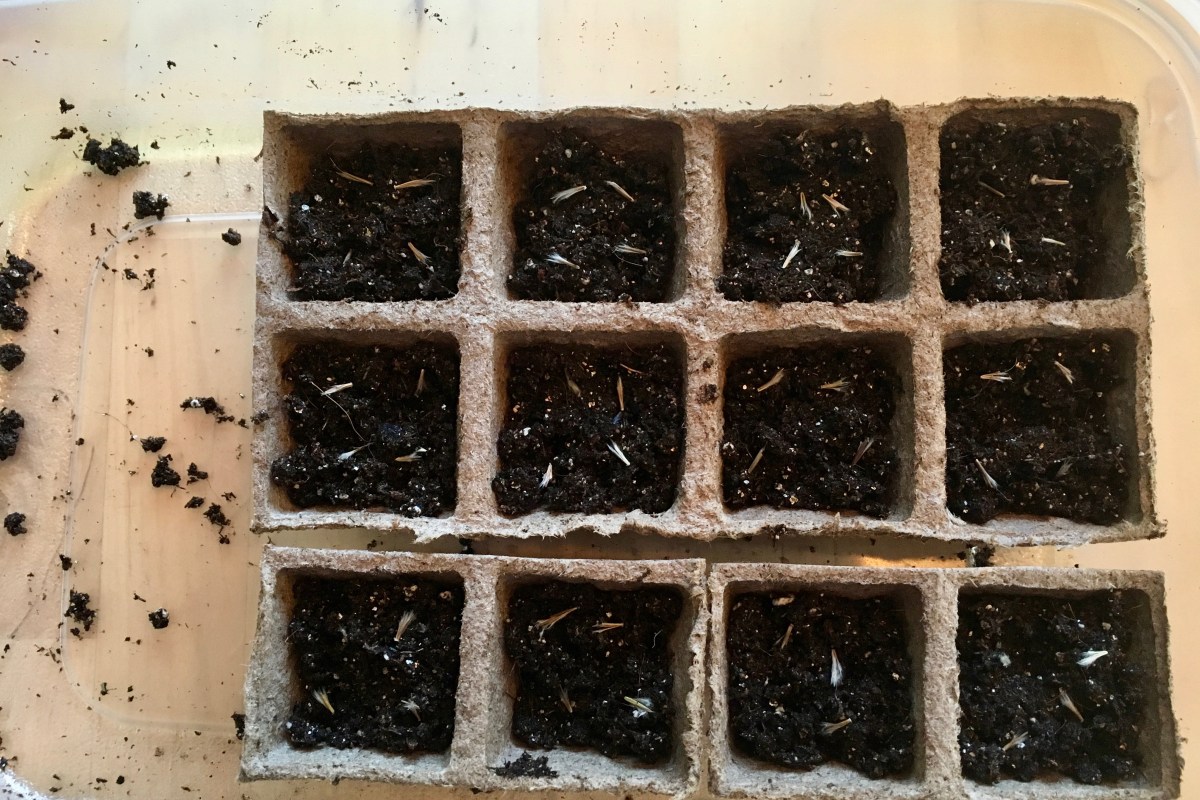
I’m finally able to start gardening! I took a flex day on midwinter day (also known as Imbolc, Candlemas, and most familiarly, Groundhog day), and since the kids also had a snow day, my daughter and I drove to Lowes and Home Depot to pick up seed trays, seedling-starting soil, and a shop light for when the seedlings emerge and need light. I bought a large rectangular Gladware container that will eventually be good for storing cupcakes, but for now I am using it to hold the seed pots so I can refrigerate them. I also ordered more seeds 😬.
After making some midwinter cutout cookies with the kids, I started the first round of seeds, which need to be started indoors 10-12 weeks before our average last frost date (April 29 in our area).
Little Bluestem grass
Violas (Johnny Jump-up) Inside
Violas (Johnny Jump-up) Outside

 I read on Botanical Interests‘ site, the place I bought my seeds, that I should start little bluestem indoors 10-12 weeks before the last frost (April 29 in our area):
When to sow outside: 2 to 4 weeks before average last frost. Can be sown in the early fall so plants get established before winter and get an early start on spring.
When to start inside: 10 to 12 weeks before average last frost.
Special germination instructions: Germination may improve if seed receives a cold treatment. See inside of packet for detailed information.
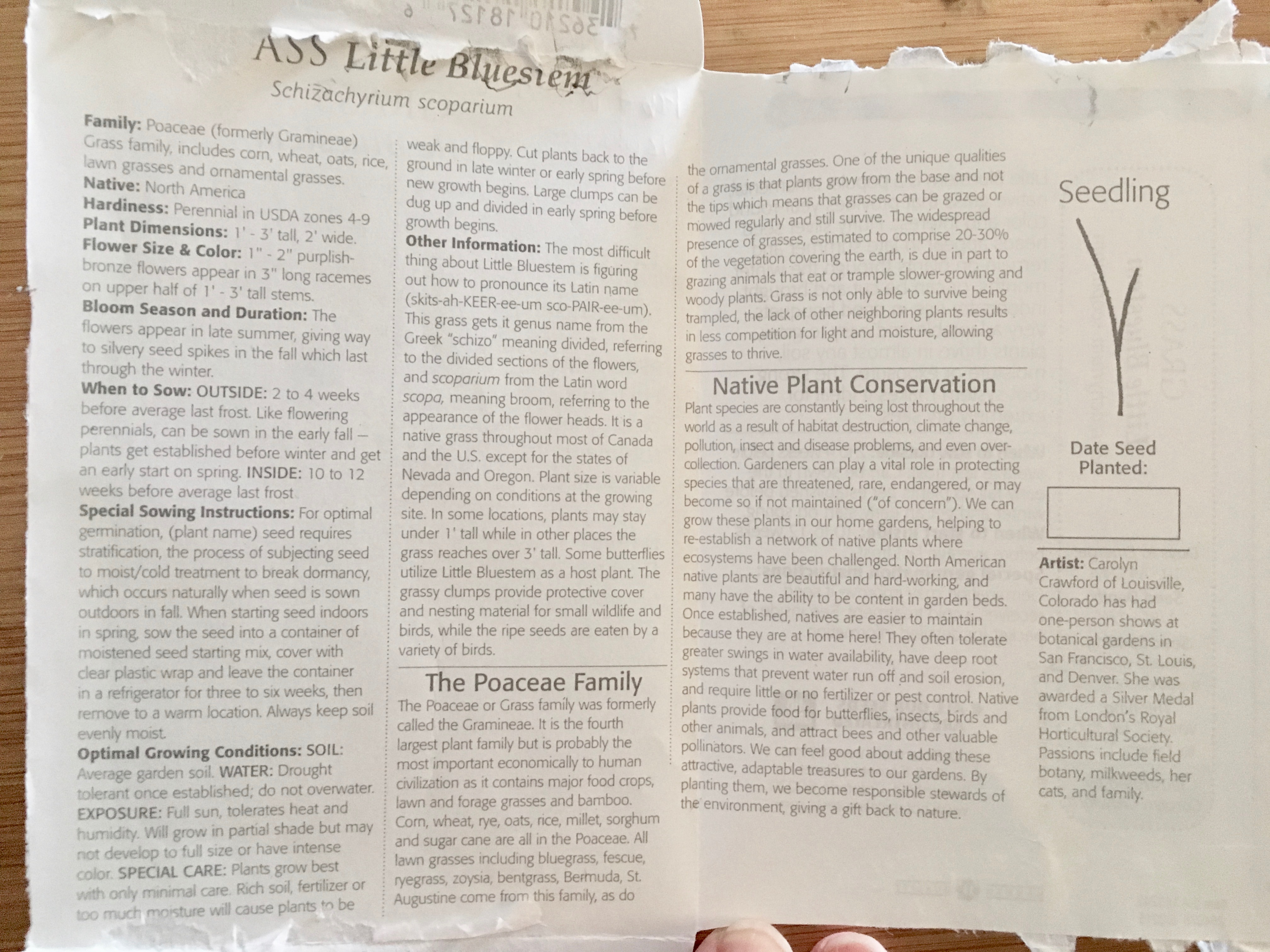
When I opened the packet for more information, I read that the seeds need stratification when started indoors in the spring:
When starting seed indoors in spring, sow the seed into a container of moistened seed starting mix, cover with clear plastic wrap and leave the container in a refrigerator for three to six weeks, then remove to a warm location. Always keep soil evenly moist.
I’m not sure how many to plant, though — if I want the grass to take up 1.5 feet in diameter, how many seeds do I plant and in how many pots?
Oh wait, on the packet it says:
Seed depth: 1/8″ – 1/4″
Seed spacing: a group of 4-6 seeds every 1′-2′
Thinning: when 2″ tall, thin to 1 every 1′-2′
So if I want 10 1′ clumps, I should probably start 12 small pots, each with 4 seeds. Okay, I think I’m good for bluestem.
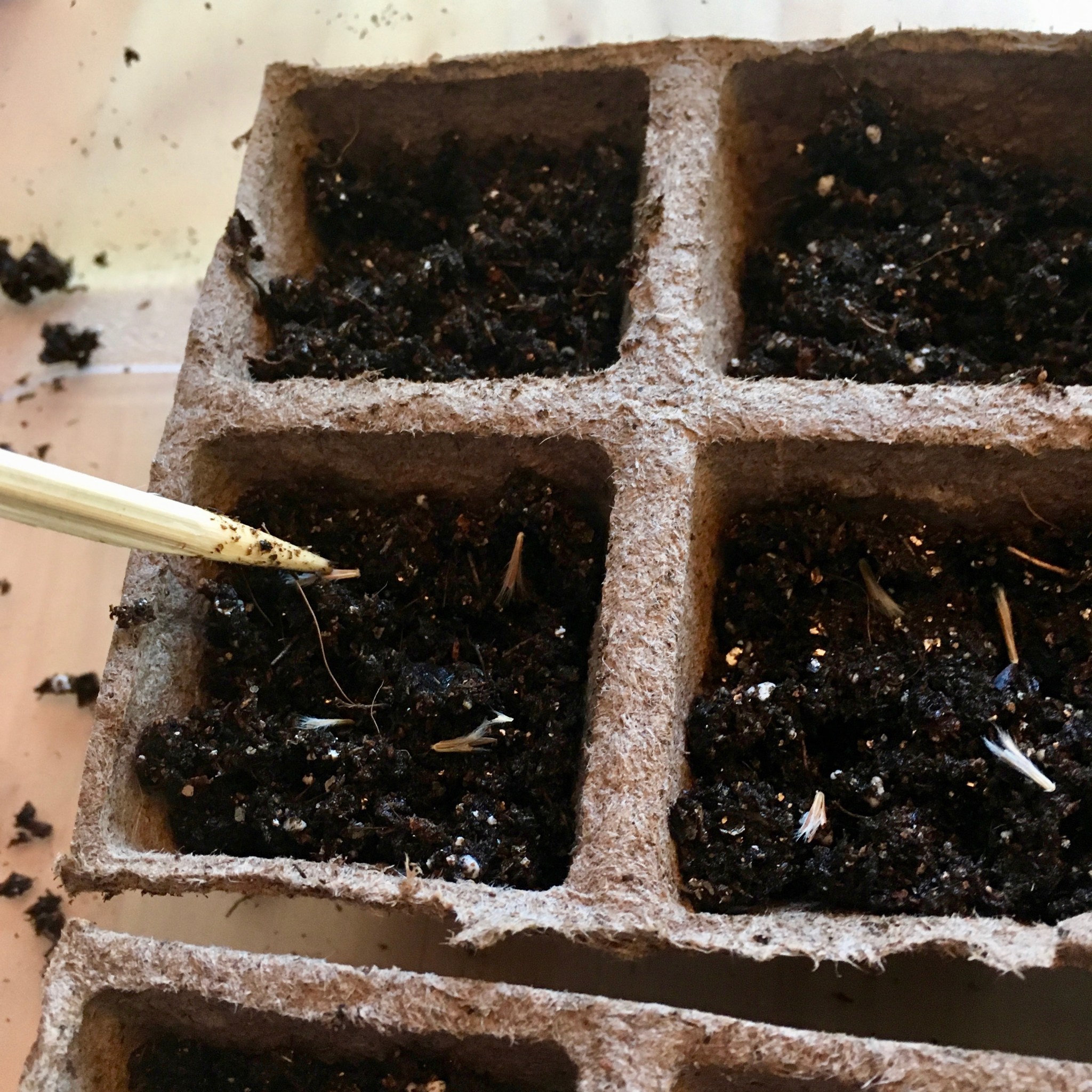
We don’t have a lot of shade on our property, which I love — more sun means more flowers. We do have a shady spot up on the hill though, and I thought it’d be fun to put some violets up there. Instructions for how to start Johnny-Jump-Up seeds are all over the place — some say they need stratification like mentioned above, some say to start them in a warm place — so I’m not sure what the best approach is. Since they are an early spring bloomer, I’m going to go with the cold treatment.
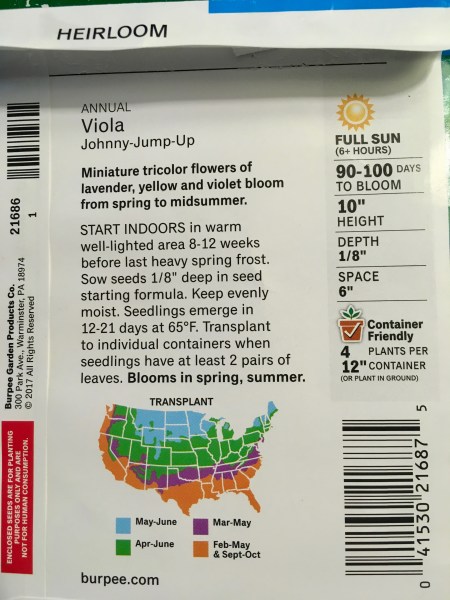
The seeds I bought are Burpee seeds, so I looked at Burpee’s instructions which read:
Sow indoors 8-12 weeks before the last heavy frost using a seed starting kit. Violas can take a light frost. They may also be started late summer for fall blooming.
Sow seeds thinly and evenly in seed starting formula. Cover completely as seeds need darkness to germinate; firm lightly and keep evenly moist.
Seedlings emerge in 10-14 days
As soon as seedlings emerge, provide plenty of light on a sunny windowsill or grow seedlings 3-4 inches beneath fluorescent plant lights turned on 16 hours per day, off for 8 hours at night. Raise the lights as the plants grow taller. Incandescent bulbs will not work for this process because they will get too hot. Most plants require a dark period to grow, do not leave lights on for 24 hours.
Thin to one seedling per cell when they have two sets of leaves.
Seedlings do not need much fertilizer, feed when they are 3-4 weeks old using a starter solution (half strength of a complete indoor houseplant food) according to manufacturer’s directions.
Transplant hardened-off seedlings to the garden after the heavy frost.
Before planting in the garden, seedling plants need to be “hardened off”. Accustom young plants to outdoor conditions by moving them to a sheltered place outside for a week. Be sure to protect them from wind and hot sun at first. If frost threatens at night, cover or bring containers indoors, then take them out again in the morning. This hardening off process toughens the plant’s cell structure and reduces transplant shock and scalding.
 Andrea's Gardening Blog