I haven’t seen any caterpillars or big butterflies in a few days (or weeks?). The flowers are pretty though.

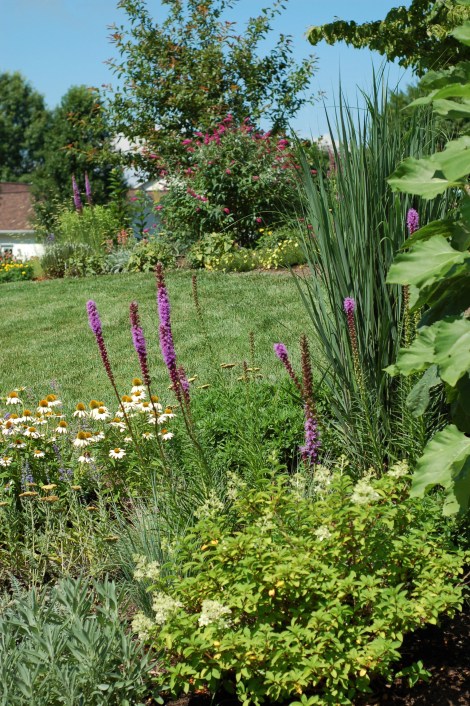
Photographs and thoughts from Andrea Badgley's garden
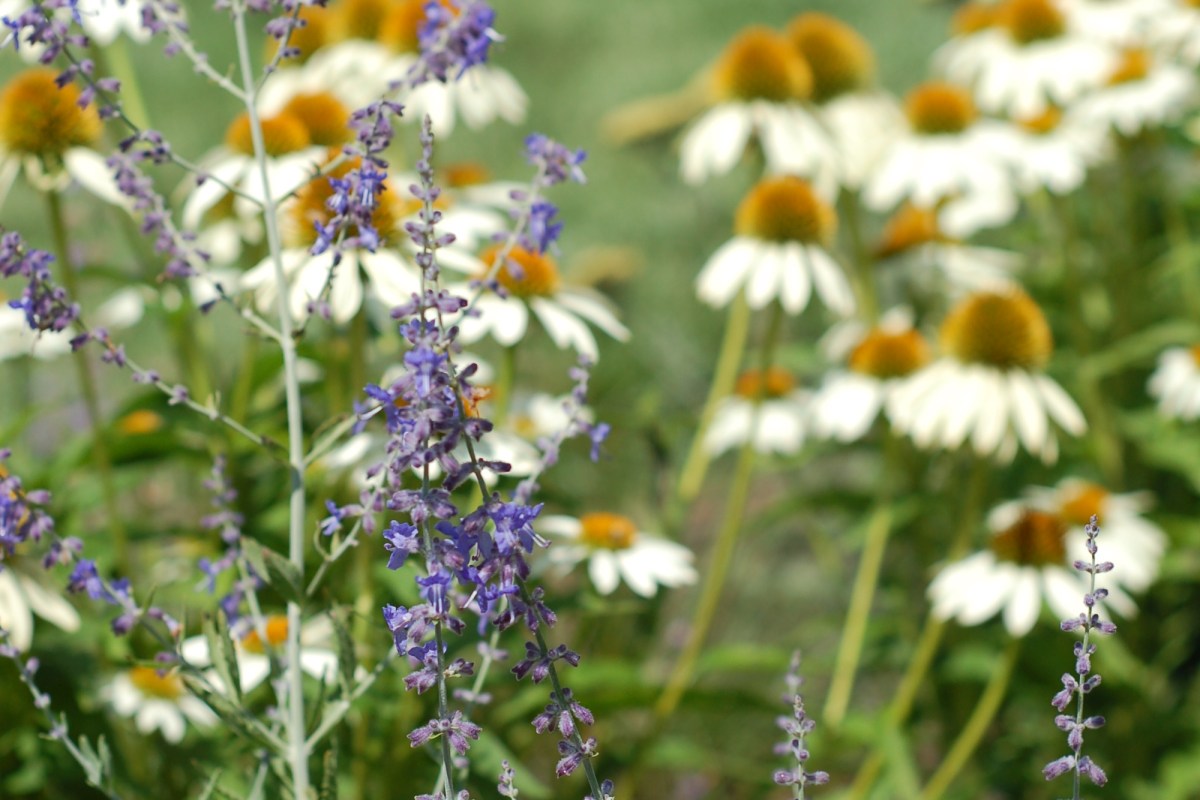
I haven’t seen any caterpillars or big butterflies in a few days (or weeks?). The flowers are pretty though.

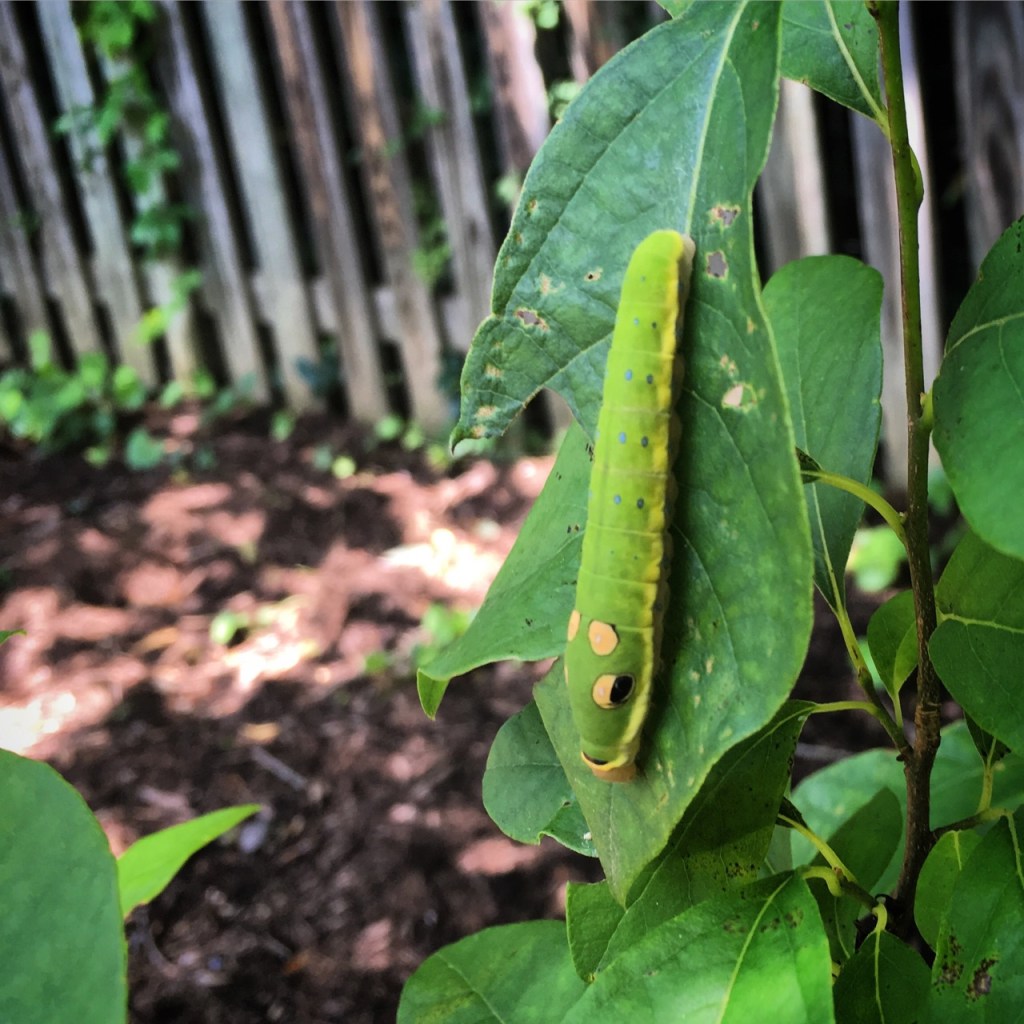


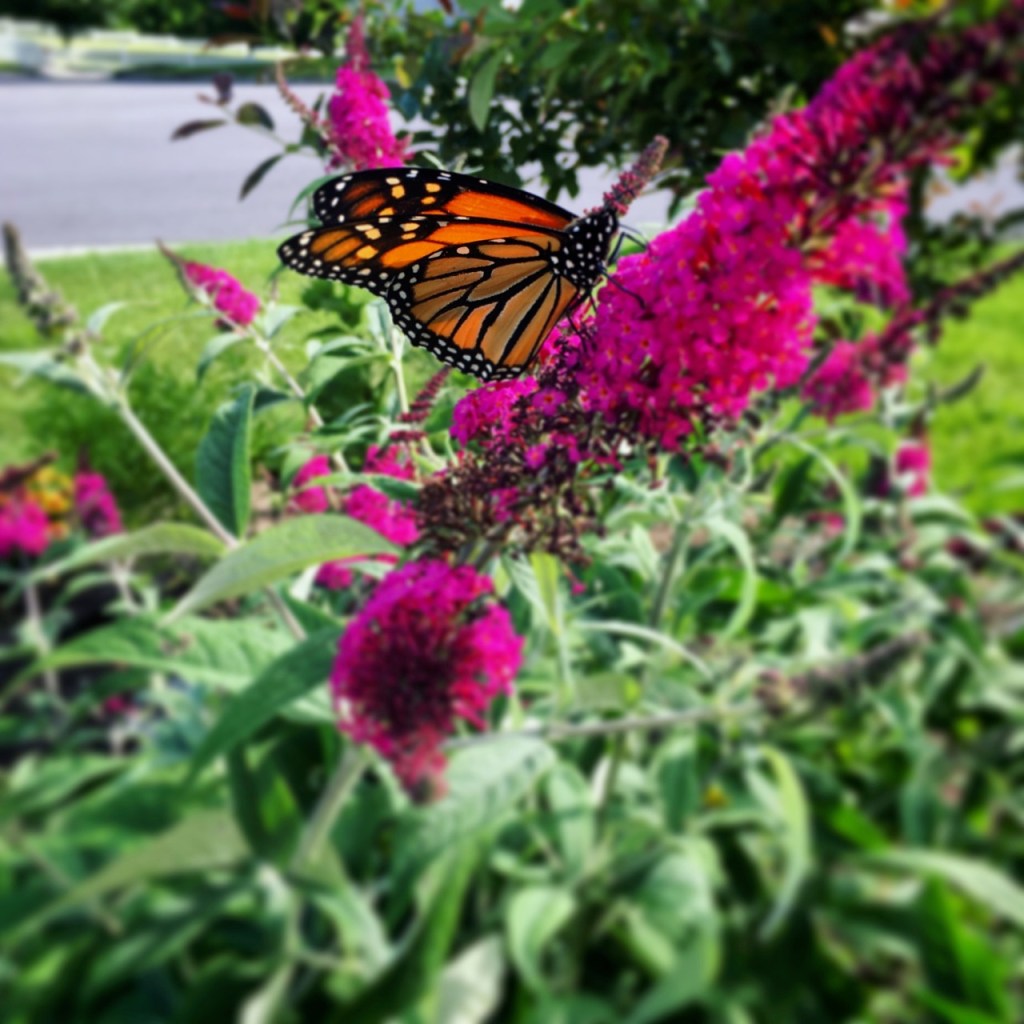
Monarch butterflies are emerging left and right in the garden. A couple of weeks ago on a rainy day, I started a new compost pile for my garden clippings. As I cleared out a space to put up wire fencing to contain the pile, I noticed what looked like an injured monarch on the ground. It was moving slowly and it’s wings didn’t look quite right.
A few minutes later I saw another slow-moving monarch on the ground. It’s wings were kind of shriveled and it looked like it was trying to dry them out. In the rain.
And then I realized: these two butterflies had just emerged from their chrysalises and were getting used to their new bodies before taking off for flight.
Since then, the monarch butterfly population has been on a steady increase. I see them soaring through the garden every day, sometimes only one butterfly at a time, sometimes multiple. I’ve been seeing tiger swallowtails as well, and eastern swallowtails, though not as many as monarchs.
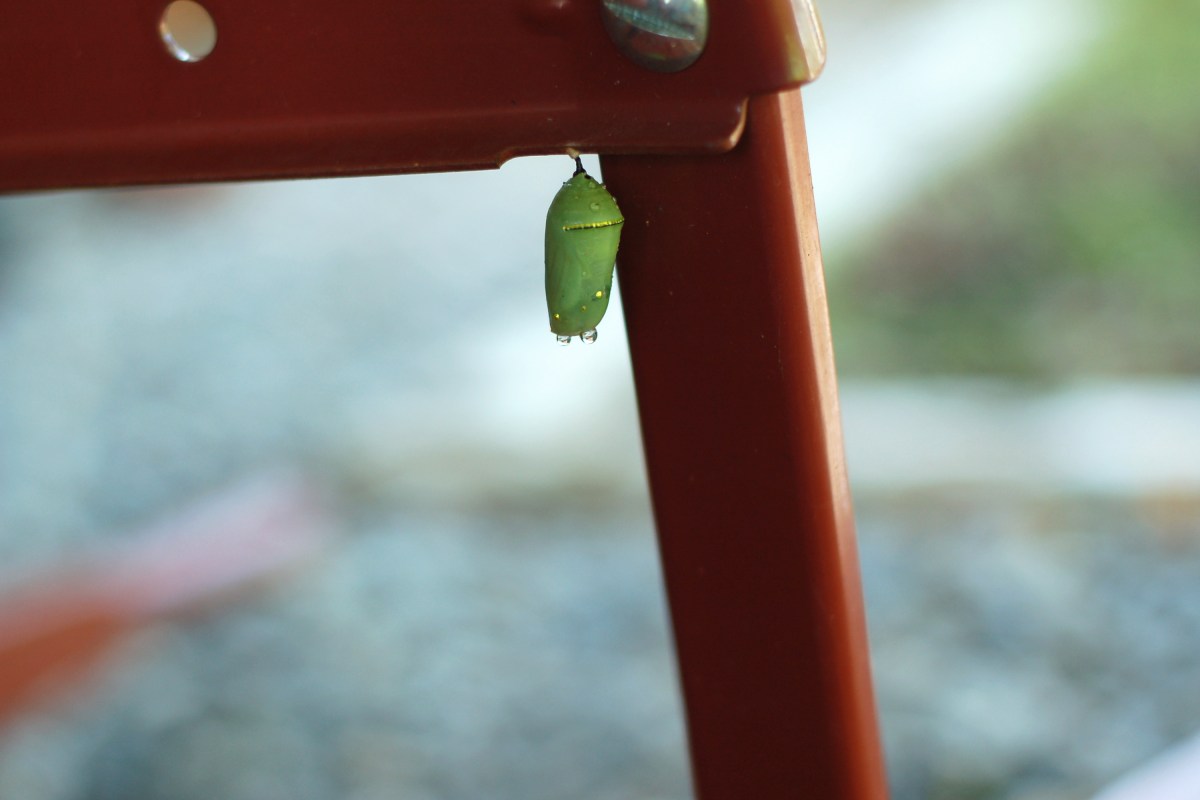
When I was out in the garden on Labor Day, I went to get the wheelbarrow to collect weeds in, and right before I flipped it over to roll it up the hill, I saw a chrysalis on it. Then I started looking around for chrysalises and I found several more.


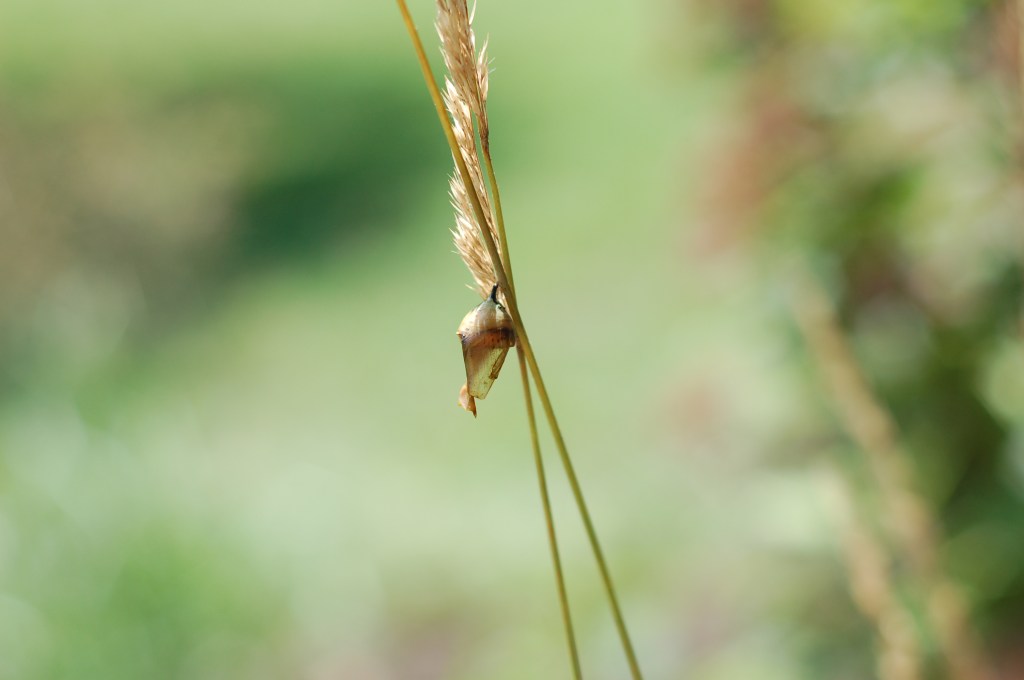
The milkweed is looking pretty gnarly. This is the time of year I start getting antsy to tidy the garden, so I wanted to chop it down. Before cutting anything, I inspected for caterpillars, and the milkweed is crawling with them. So for now it stays. I need to think about where to move the plants next year so that when they get unsightly like this, I don’t have to look at them but the caterpillars can still enjoy them.


A goldfinch perched this morning on a purple coneflower head. This is one of my favorite things to see in the garden: these tiny bright golden birds swaying on the long stems of summer’s Echinacea.
The only problem with this scene is that, combined with the kids starting school next week, it reminds me that fall is coming soon. Which means winter will follow.
I don’t feel like I’ve recovered yet from last winter. I’m not ready for the garden to go to seed. I’m not ready for endless months of desiccated plants, without green and flowers. The Shasta daisies and Rudbeckia flowers are already starting to brown on the edges.
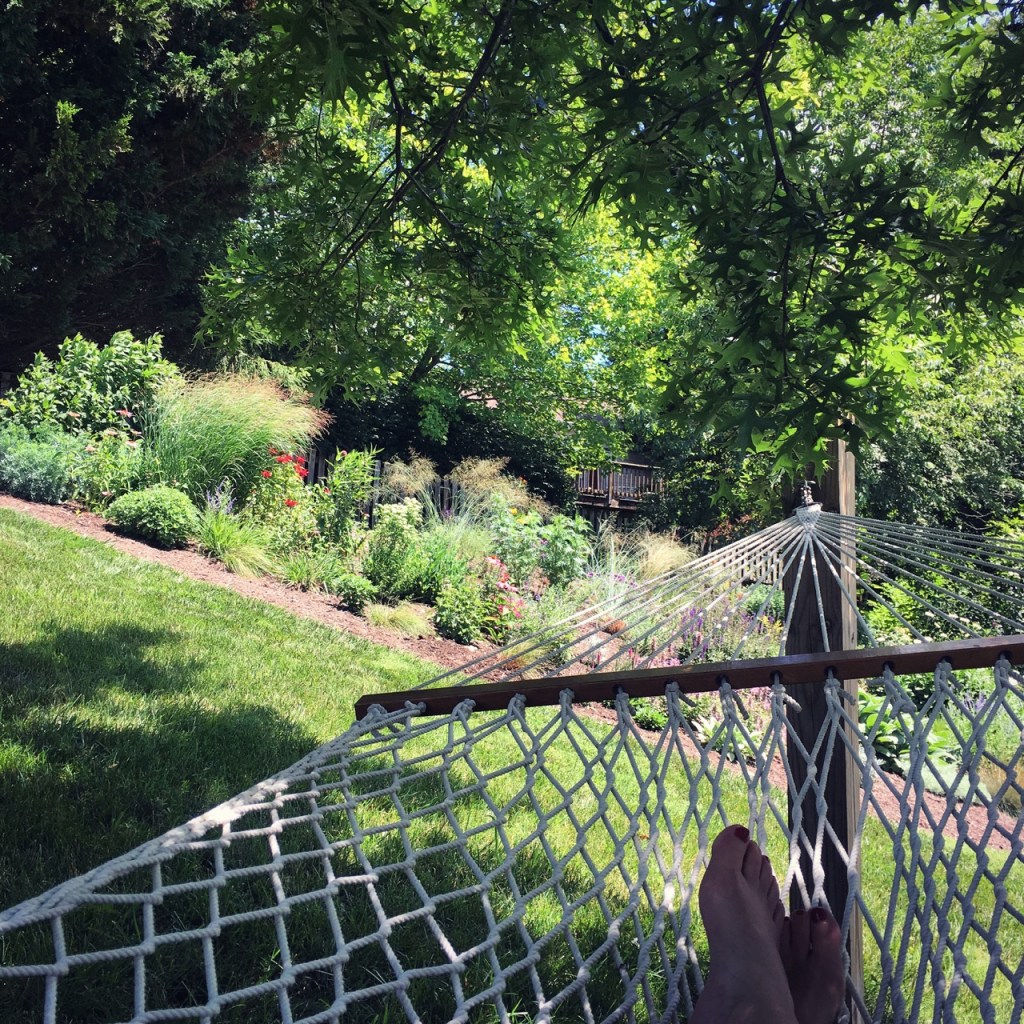
The good news is that the garden is full of butterflies and hummingbirds. I worked from my dogwood chair yesterday, with monarchs and swallowtails drifting all around me. When I approached the flowers where they drank, I was close enough to the many small moths and butterflies that I could hear their wings whir.
Other good news is that the garden is pretty much filled in as much as it’s going to this year, so I can get a good look at how to move things around and fill in next year.
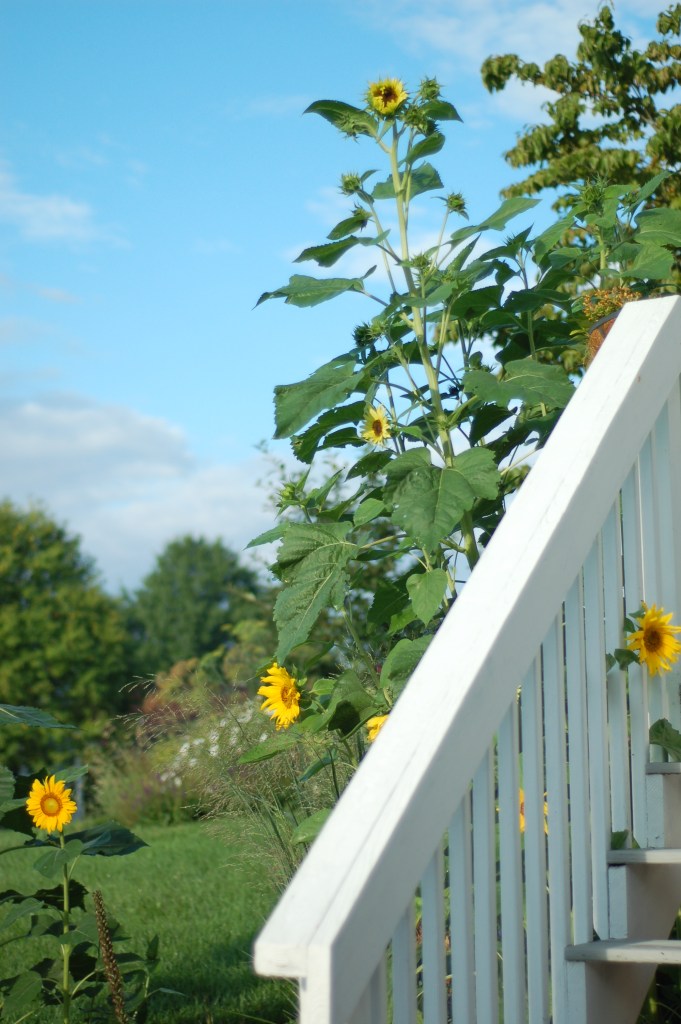


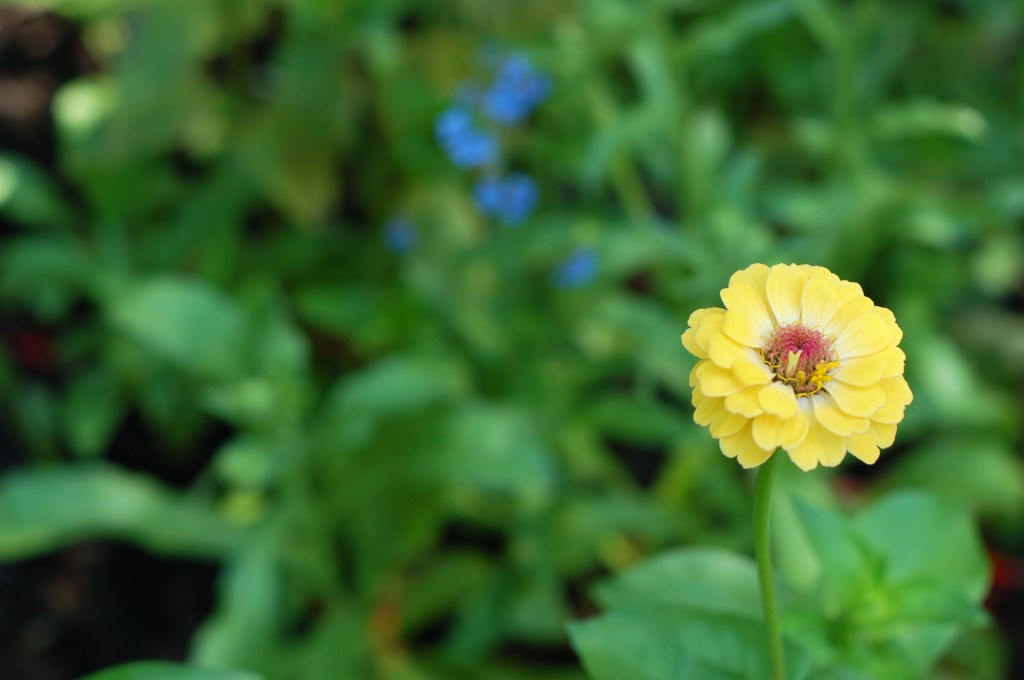
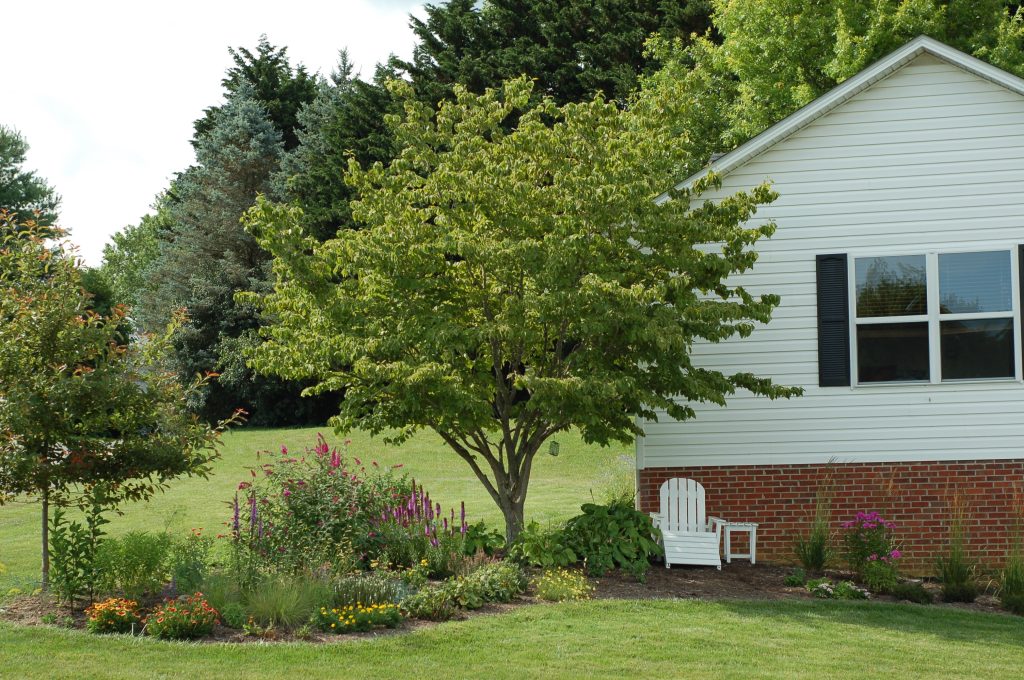
I’m pretty happy with how the front beds turned out. They still need some help, but the area with the cleome, zinnias, and butterfly bush are a hot spot for all the fluttering insects I like to watch. I haven’t seen as many hummingbirds in the bed as I did last year, when I had bee balm out there, but they do sometimes visit the cleome and the zinnias.
Out back is a different story. I rarely look out back in the afternoon or evening without seeing a hummingbird. They particularly love the Mexican sunflower, but I’ve seen them at the cleome, zinnias, and even the nasturtiums as well.
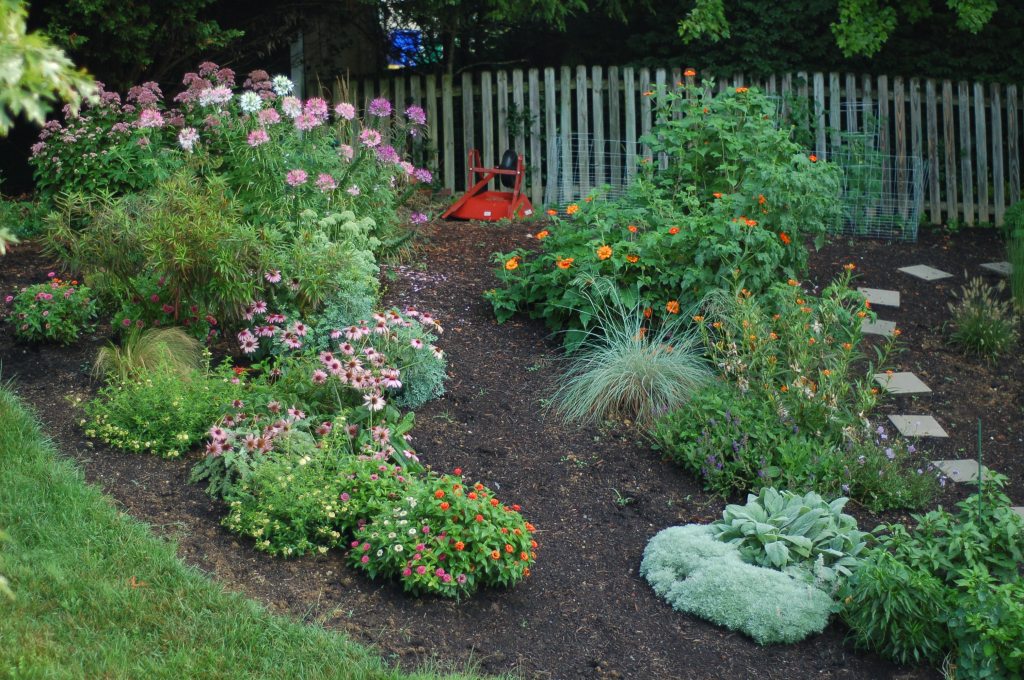
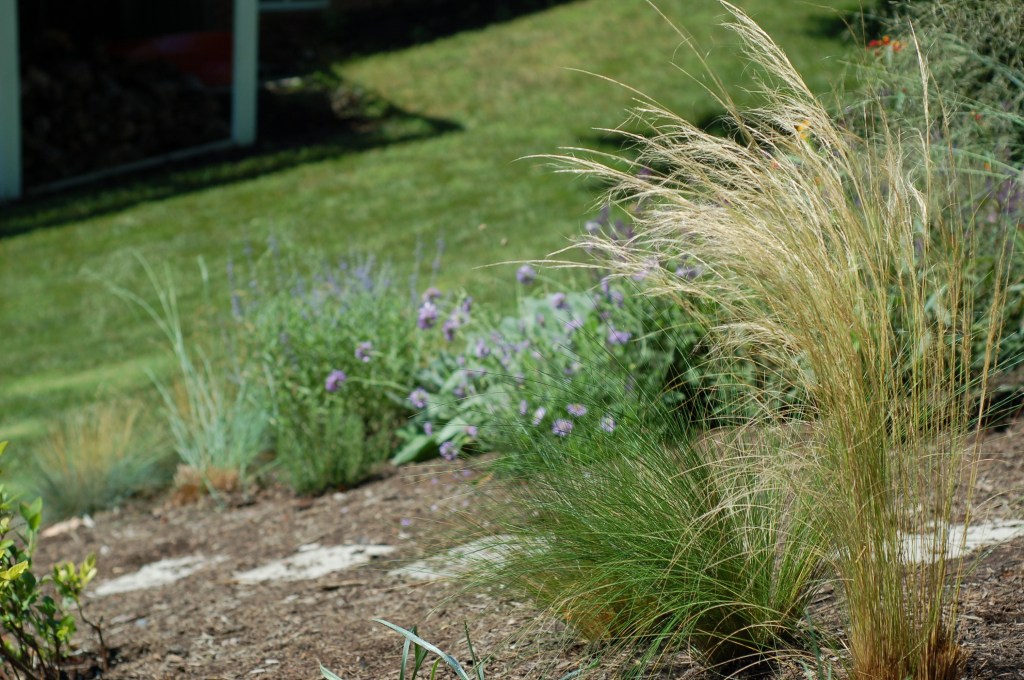
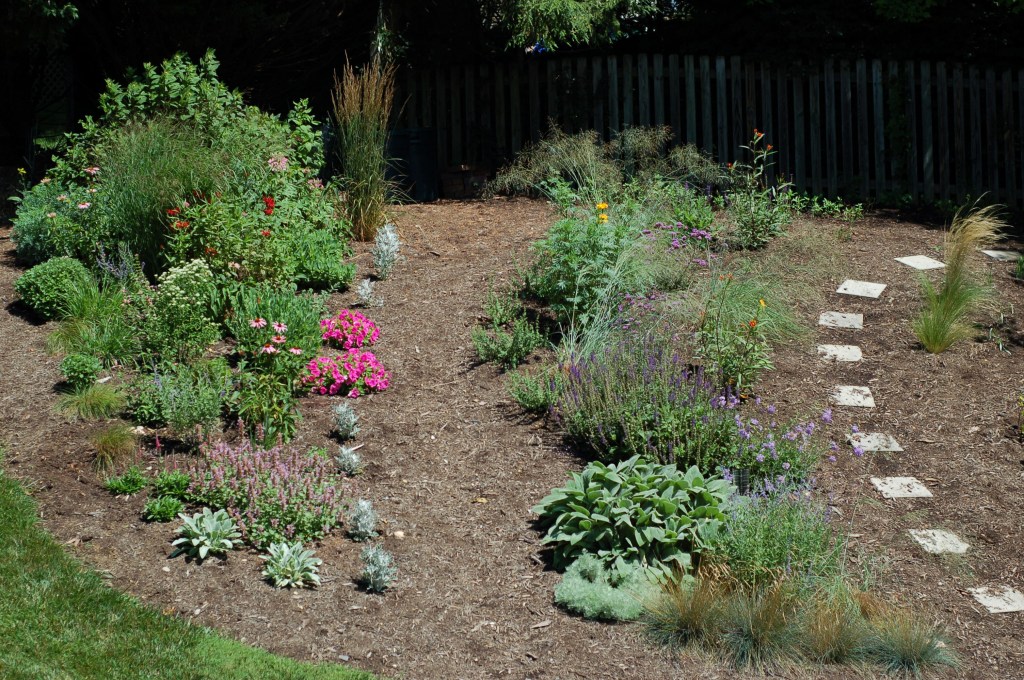
It’s hard to believe that last year that was all grass. I still have a lot I want to do with these beds — I want the far left bed to be mostly pinks and greens, with a little bit of soft purple. I’ll ditch the yellows and oranges. The Joe Pye weed, cleome, milkweed, rue, sedums, and ornamental grasses will stay, and I want to add some of the Northern Lights zinnias I have out front. I love their pink and purples, and zinnias are unanimously the favorite flower of our household. Everyone loves them.

The middle beds out back definitely need some help. The lower bed on the left is currently a mix of silvery blue foliage and yellow-green pepper plants. We’re thinking about doing a raised bed for peppers next year, and then I can fill in that lower area with a small moon garden of silvery plants. Higher up the hill are the Mexican sunflowers, which I adore, but I don’t like where they are. I have other ideas for that bed to put some neater looking plants there, but I’m not sure where I’ll put the Mexican sunflowers next year if I do that.

I’m meh about the bed with the Shasta daisies. I need to move some stuff around in there. The far right beds are pretty okay. Next year I’ll probably put in another Mexican sunflower on the far right, and I’m thinking about replacing the nasturtiums with a Persian Carpet blend of zinnia seeds, since we all love zinnias (as do the hummingbirds and butterflies), and when I asked our daughter which new type of zinnias she liked, she picked this one.
I’m going to keep soaking up the garden as much as I can before winter comes. August is the worst month for gardening, but it’s the best month for enjoying the butterflies and birds who come to harvest the abundant nectar and seeds.
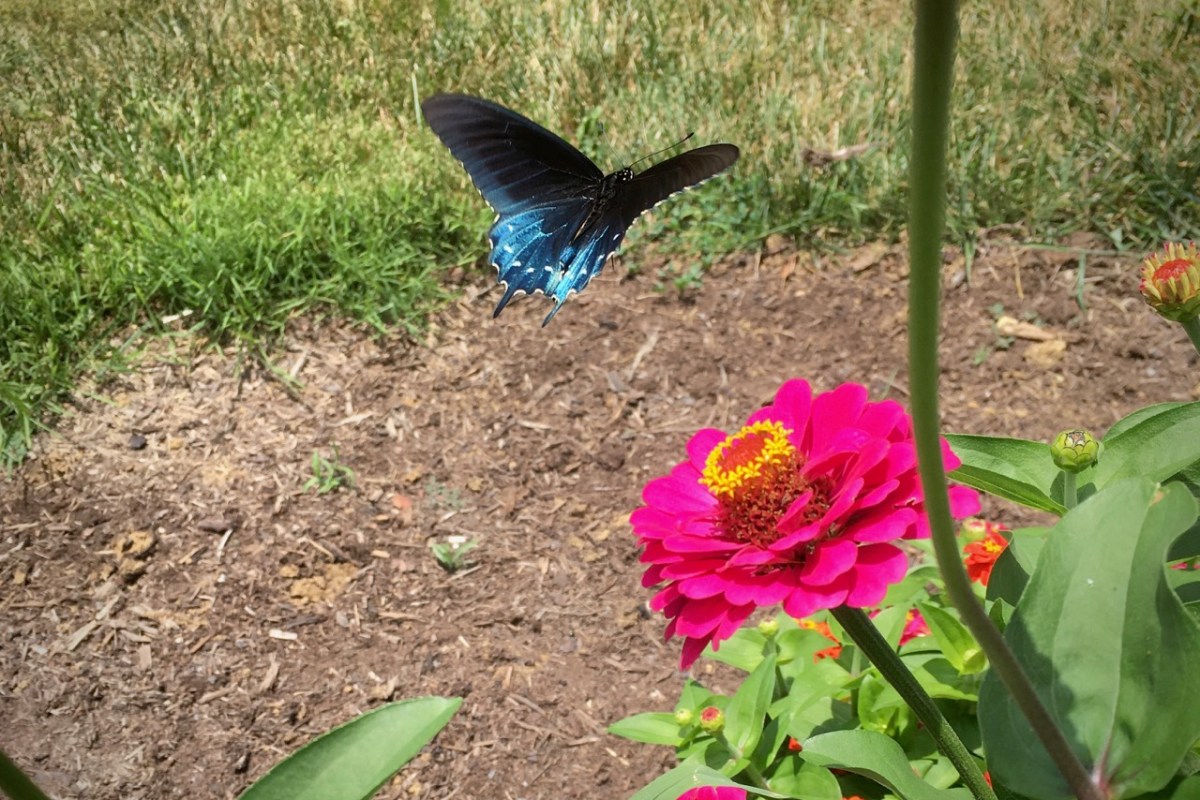
I love July in the garden. The flowers still have fresh blooms, and the butterflies start showing up.
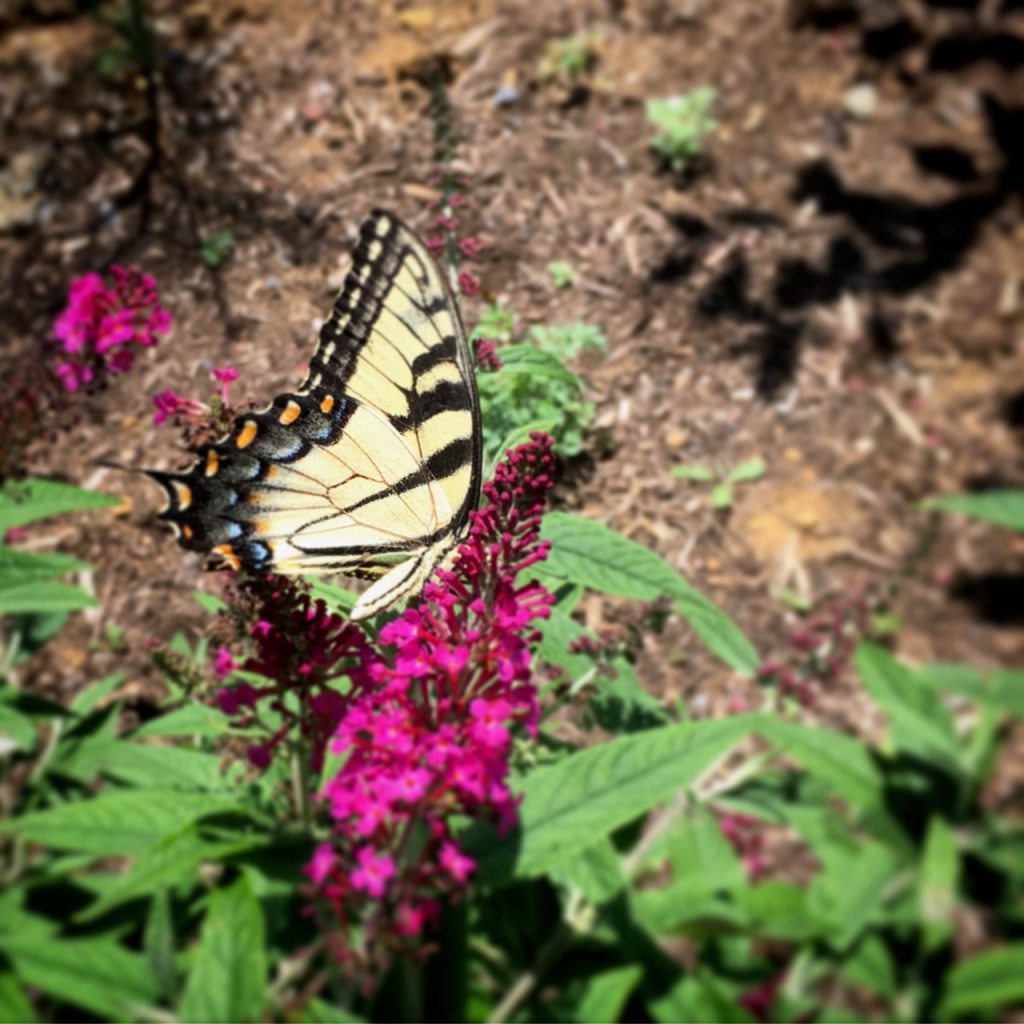

The caterpillars start showing up, too.

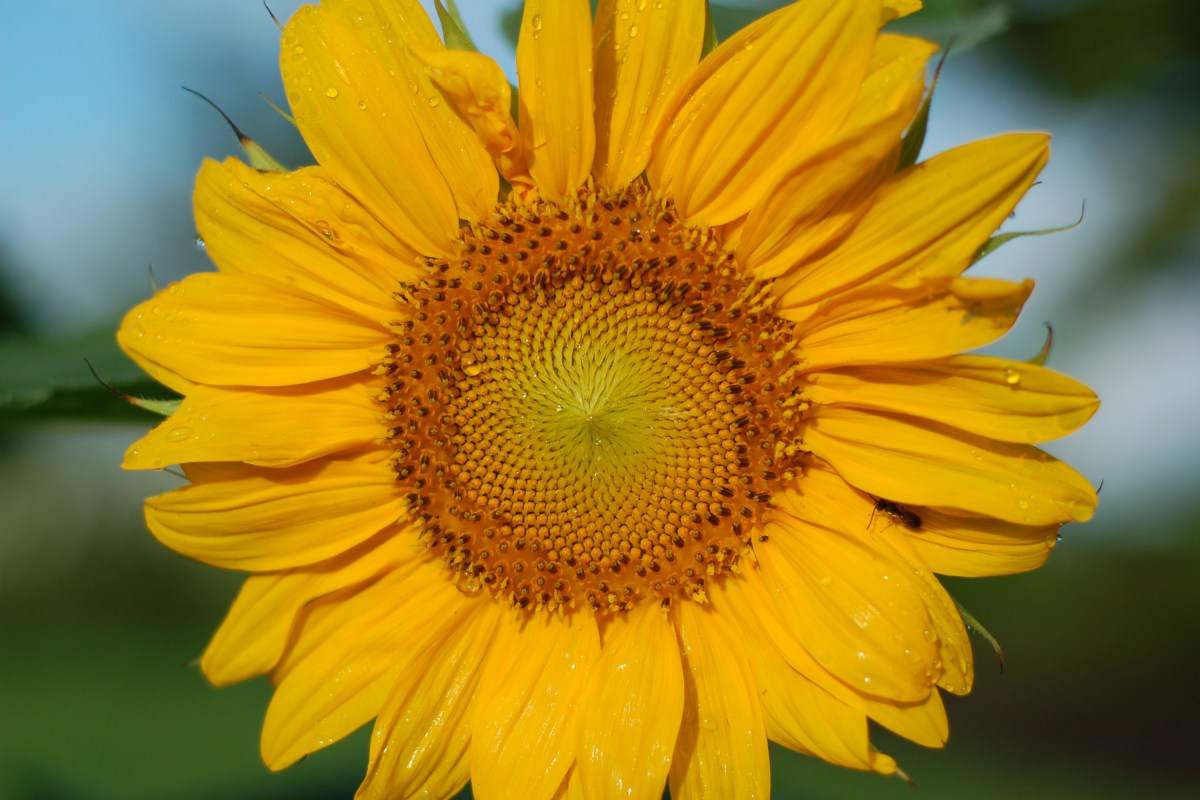
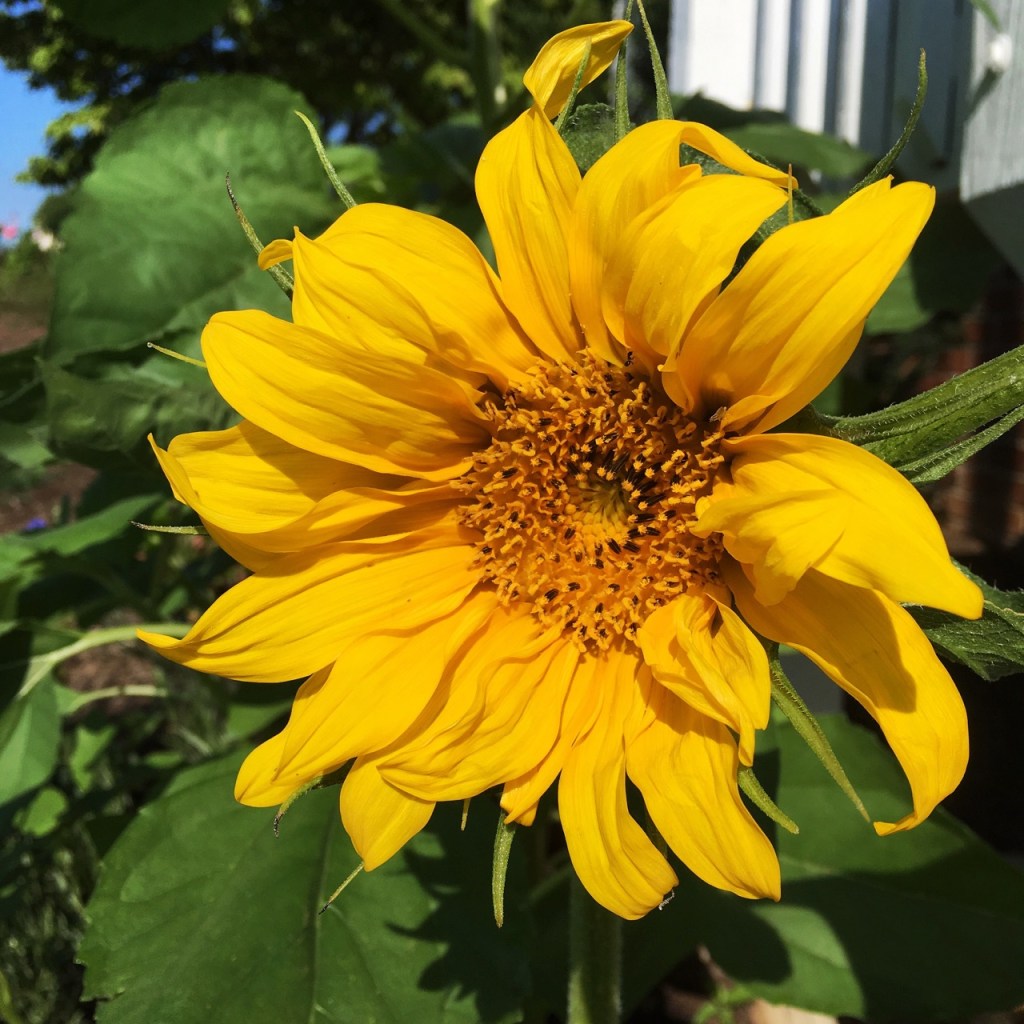
This is the first year I’ve planted sunflower seeds. Most of the seedlings were decapitated by critters, probably bunnies. But I’ve got one that made it to bloom.

The garden is is peak bloom right now. Pollinators buzz busily, and the bigger butterflies are starting to find their way to the flowers I planted for them.
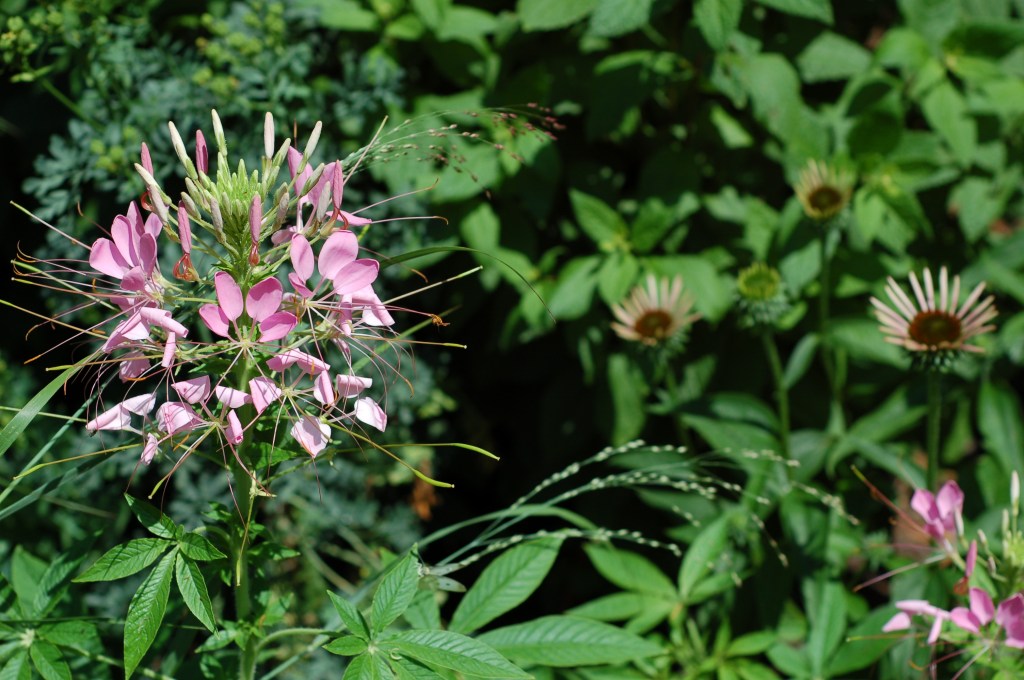
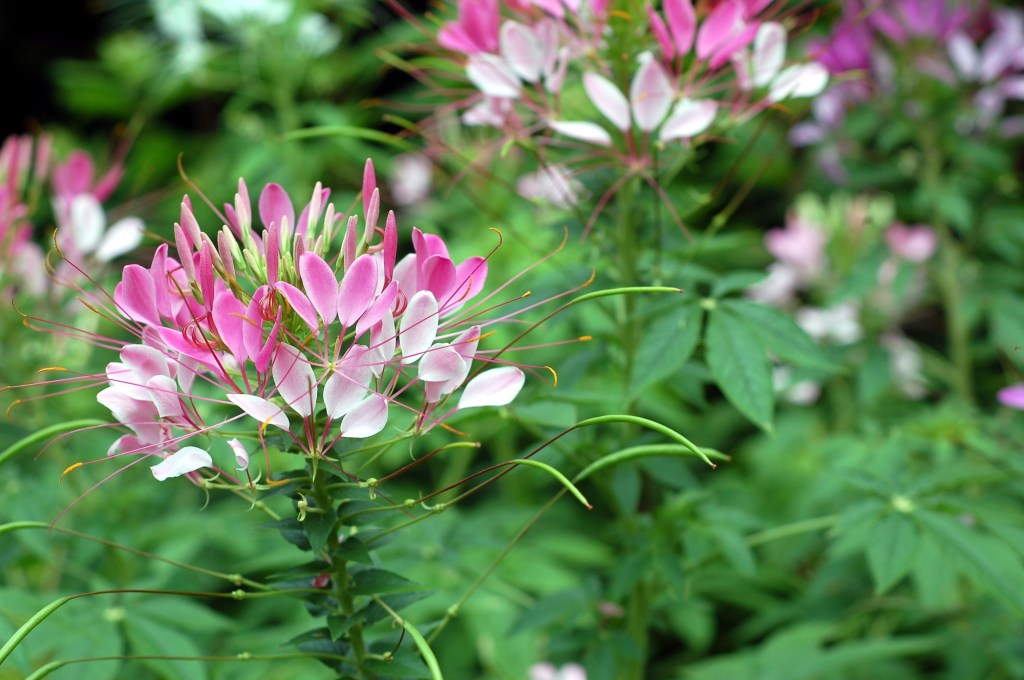 Cleome
 Monarch on milkweed
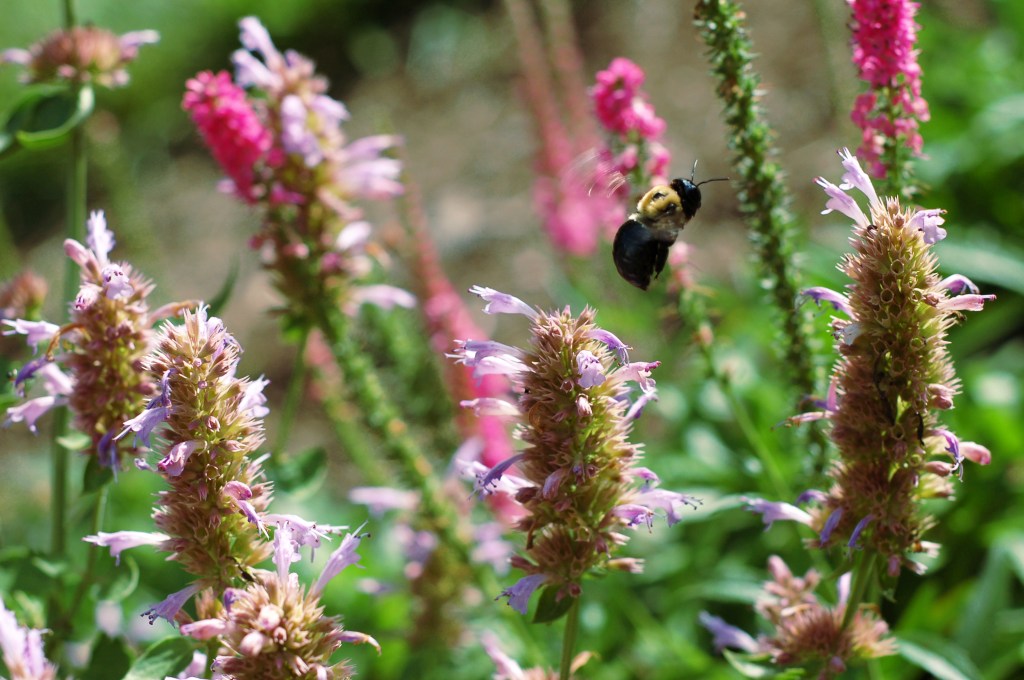
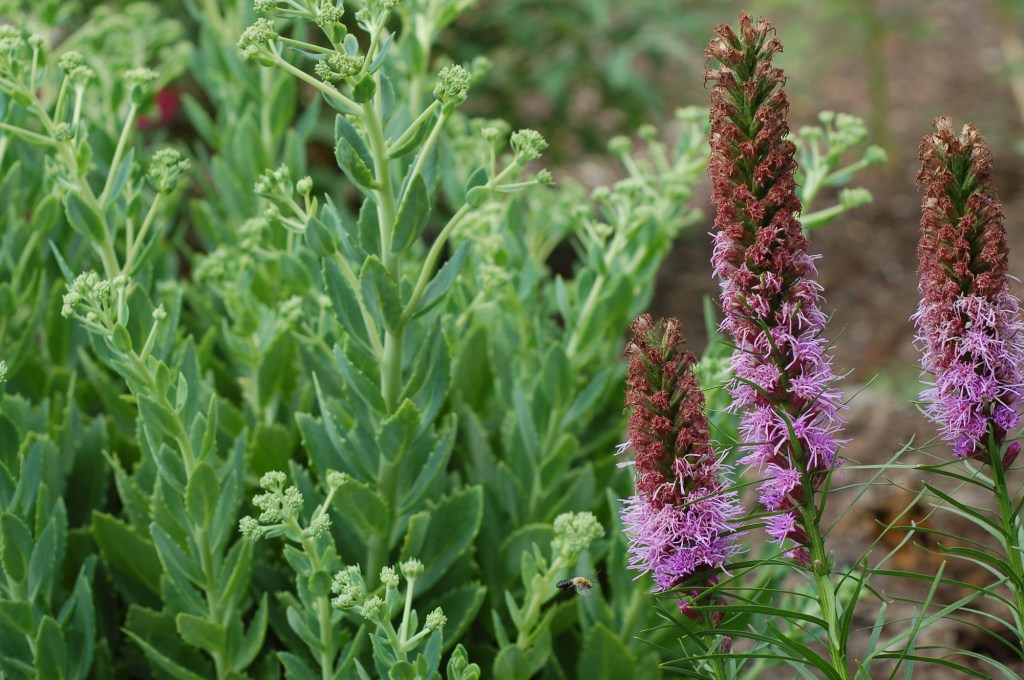 Bee coming in for the liatris (bottom center — I didn’t realize it was in the photo)
 Cabbage white on purple top verbena
 Mexican sunflower
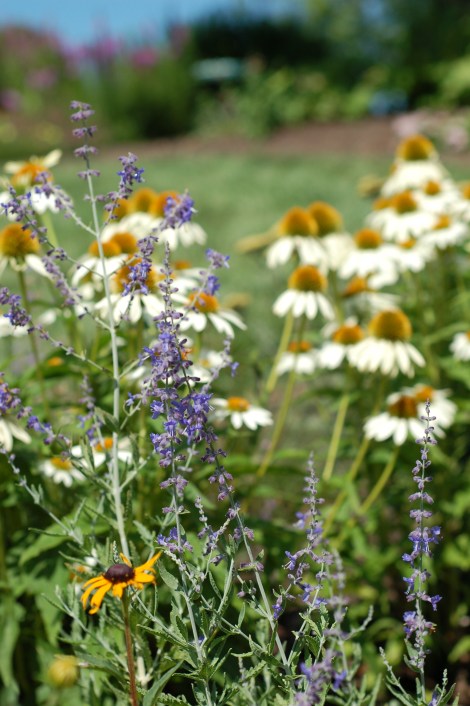
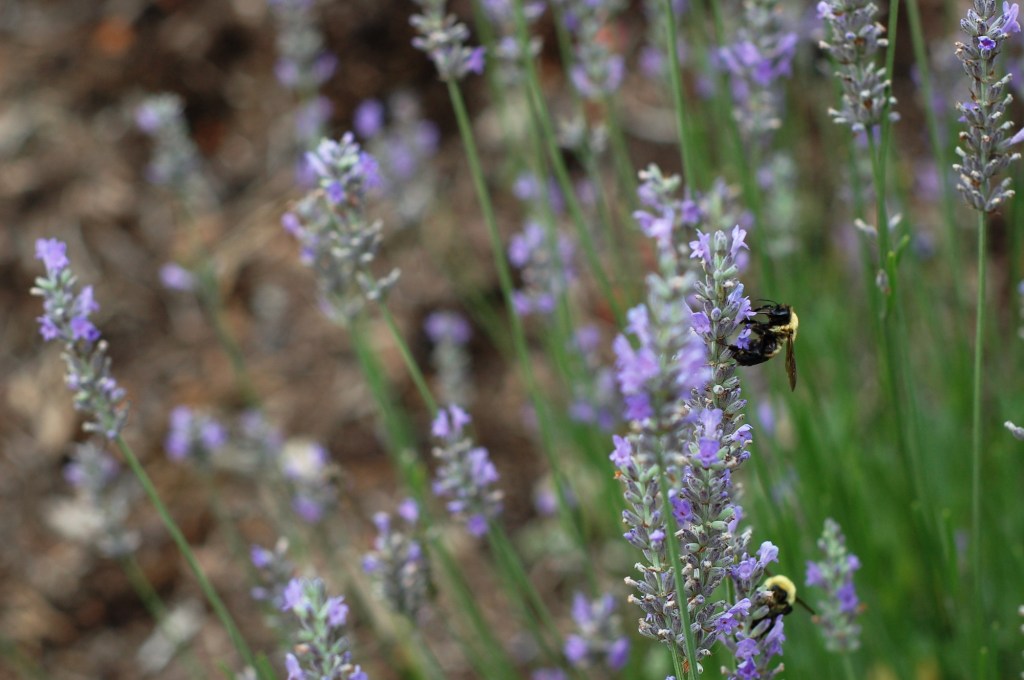
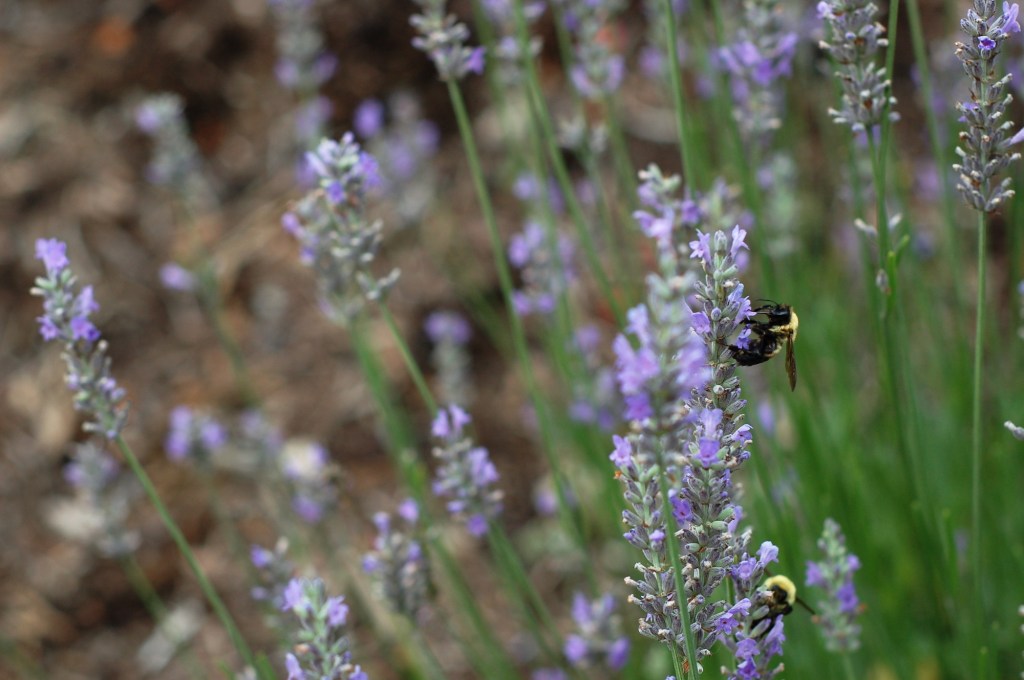 Bumblebee on lavender
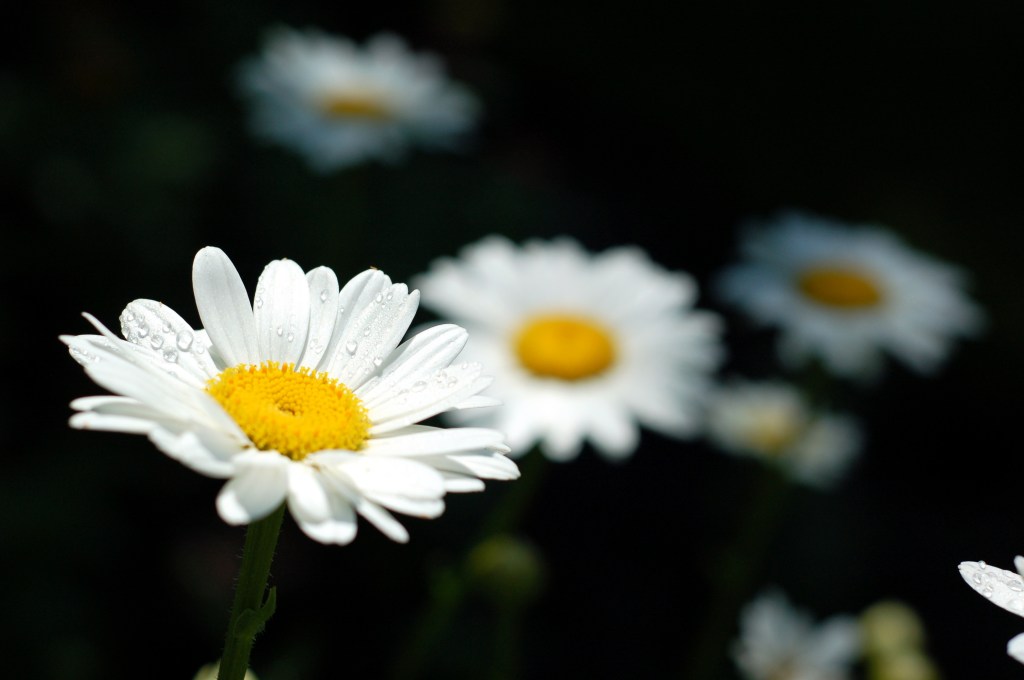
 Shasta daisy
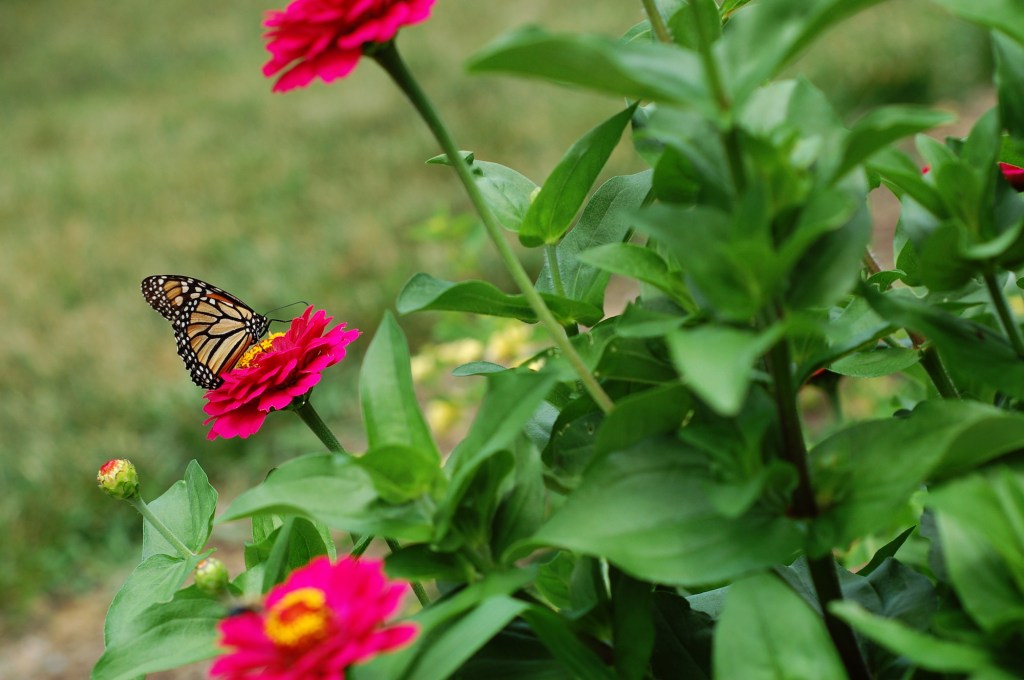 Monarch on zinnia
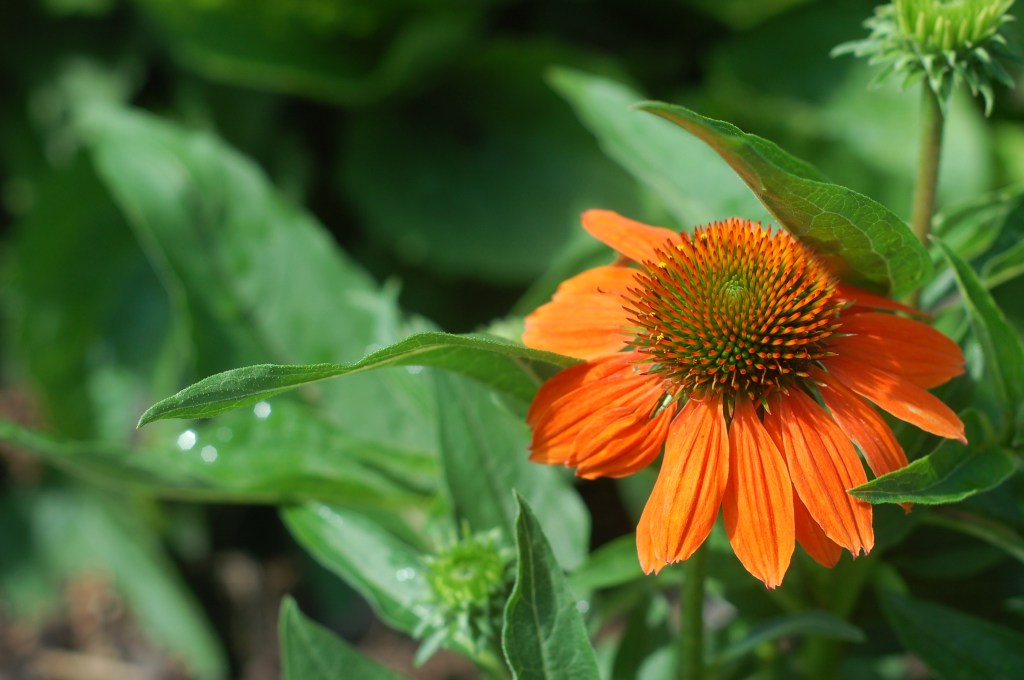
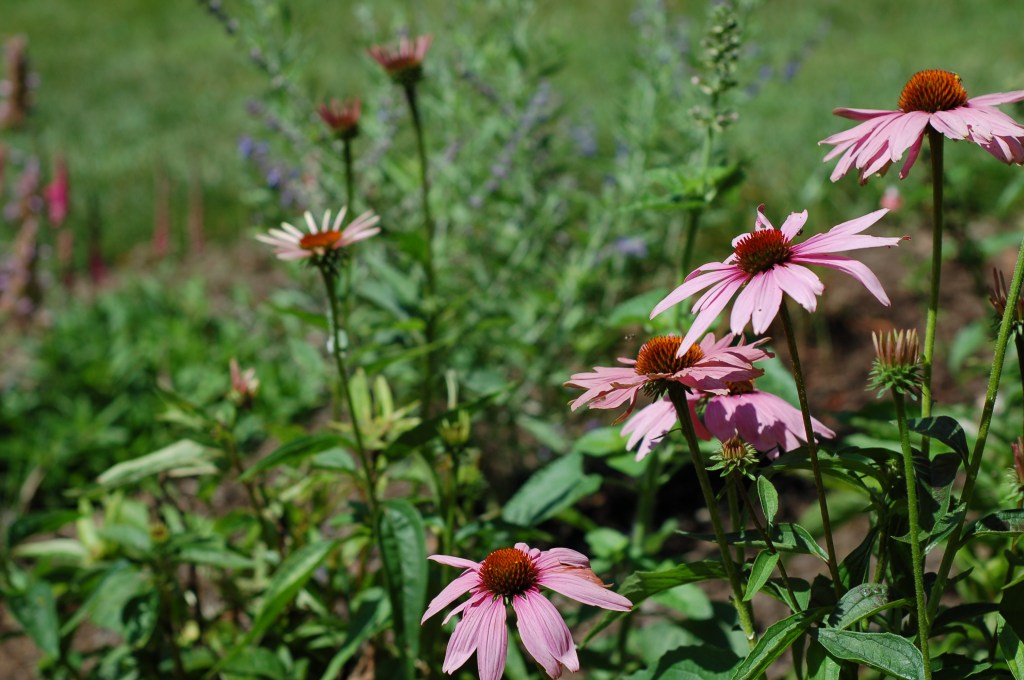
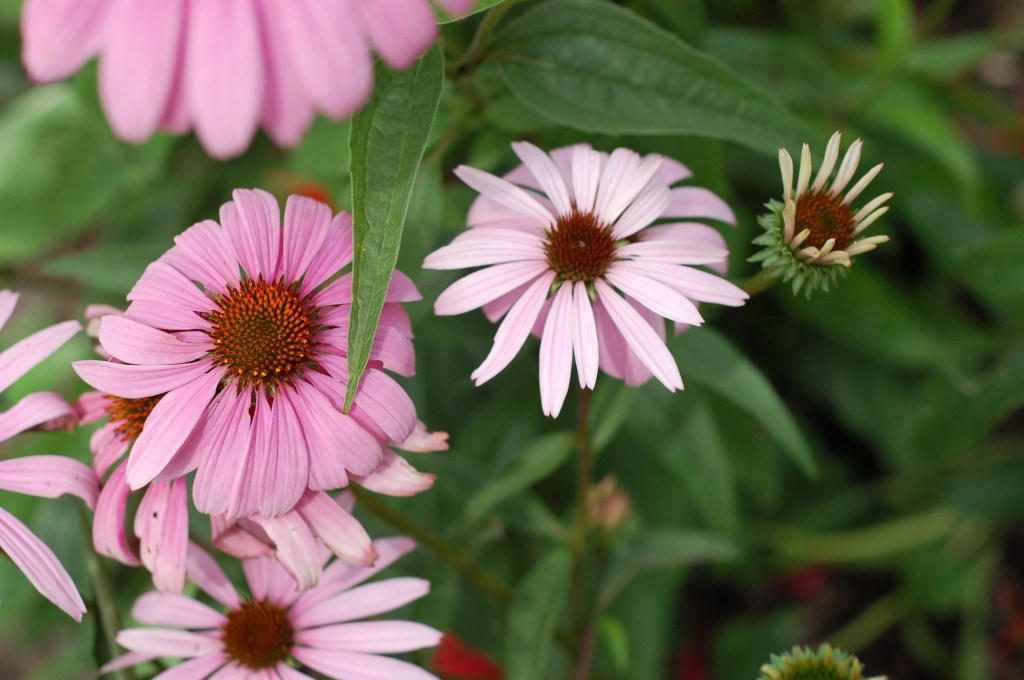 Echinacea
 Dill
Dill
 Cleome and Miss Ruby butterfly bush
These are mostly just the close-ups. I published more photos on Andrea’s Gardening Blog if you like photographs of gardens and flowers.

The garden is in full bloom, and a monarch came to visit the back garden beds today. My work killing lawn is paying off!


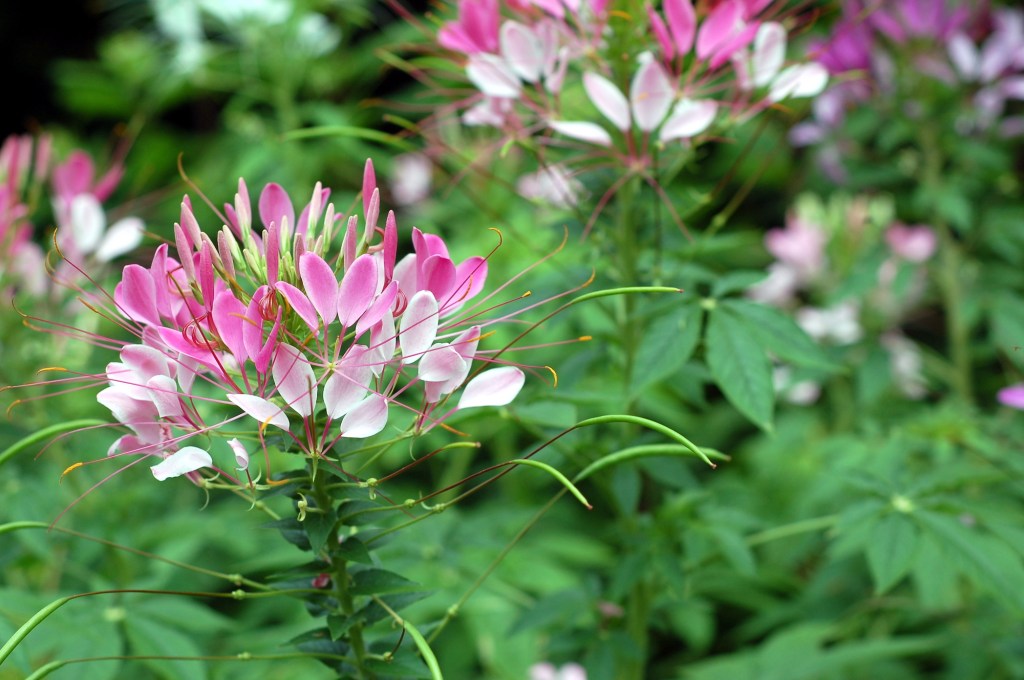
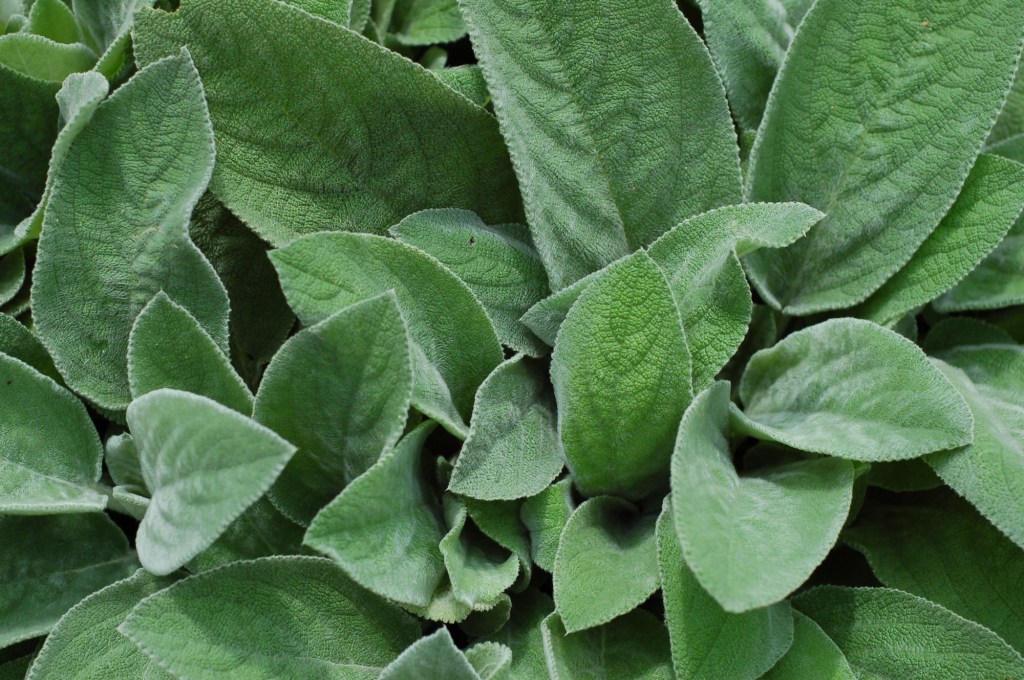


The front is starting to fill in as well.


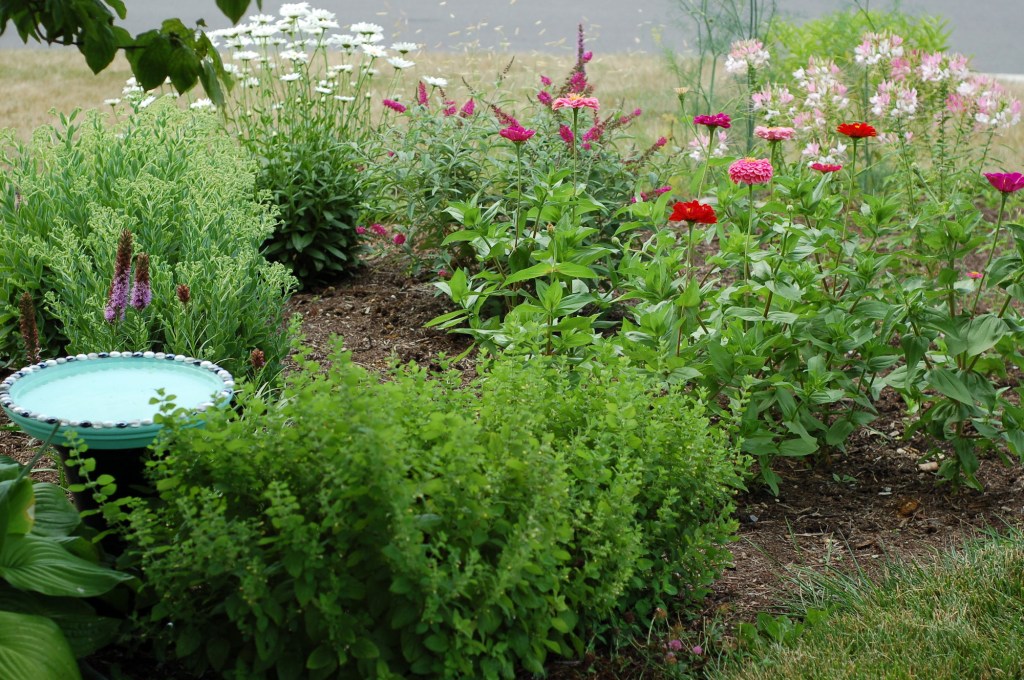

I need to get out my real camera, but in case I don’t get a chance to do that before the flowers pass, I wanted to capture where the blooms are right now. I’m enjoying watching everything fill in. I’ve got my fingers crossed that next year, when everything is a bit more established, it will begin to fill in more.
The bees, small butterflies, and hummingbirds were out in full force yesterday. Still not seeing many of the larger butterflies yet, though — the monarchs and swallowtails. I remember having to wait a long time for them last year as well.
We’ve got two bird feeders out back, which we love to watch. Birds are super active in the newly planted back hill, including ground birds like doves and robins. With the higher bird population, I fear for the poor caterpillars out there. Rue is generally covered in swallowtail caterpillars, and I’ve only seen one so far this year. I’m hoping with the variety and number of plants out there, they’ll be able to find some shelter and at least grow up to become butterflies.


The monarch caterpillars are getting fat. During the eclipse, I walked around the garden inspecting the undersides of leaves, taking inventory. I counted 11 or 12 monarch caterpillars on the milkweed, along with 3 swallowtail caterpillars on the rue and the parsley. The milkweed looks terrible — it’s gone to seed and is covered with aphids and big orange bugs that are eating the aphids. The echnicea looks terrible too — brown and fried — but in the mornings, goldfinches perch on the dried heads and sway while they eat coneflower seeds.

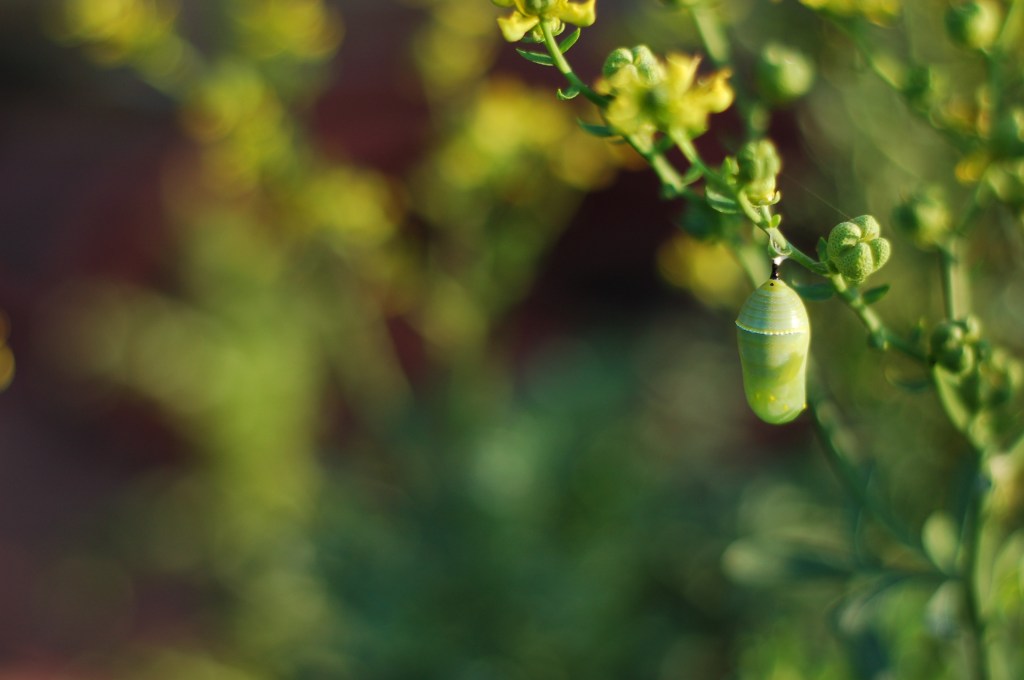
The monarch caterpillars are drawn to the rue for making their chrysalises. I have been surprised by how popular the rue is.
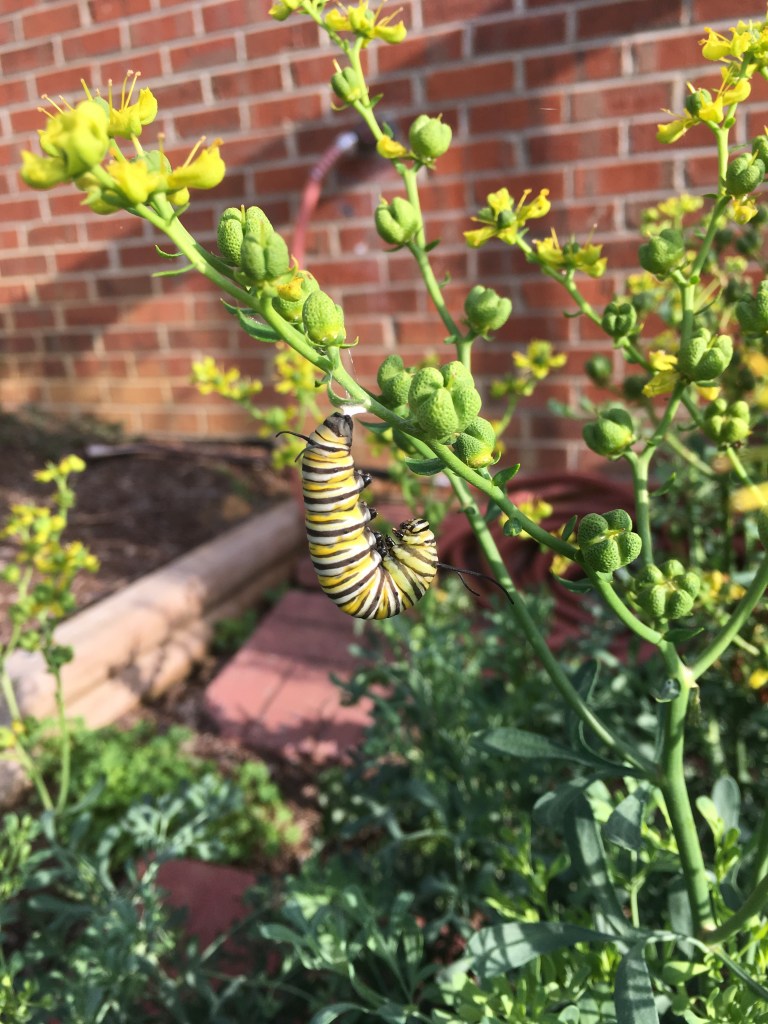
It currently hosts swallowtail caterpillars who are eating it, and monarch caterpillars who are hanging in their chrysalises from it.
And just because I like to check in each year to see what the status of all the plants were in prior years, here are some photos from the garden in late August:


 Andrea's Gardening Blog