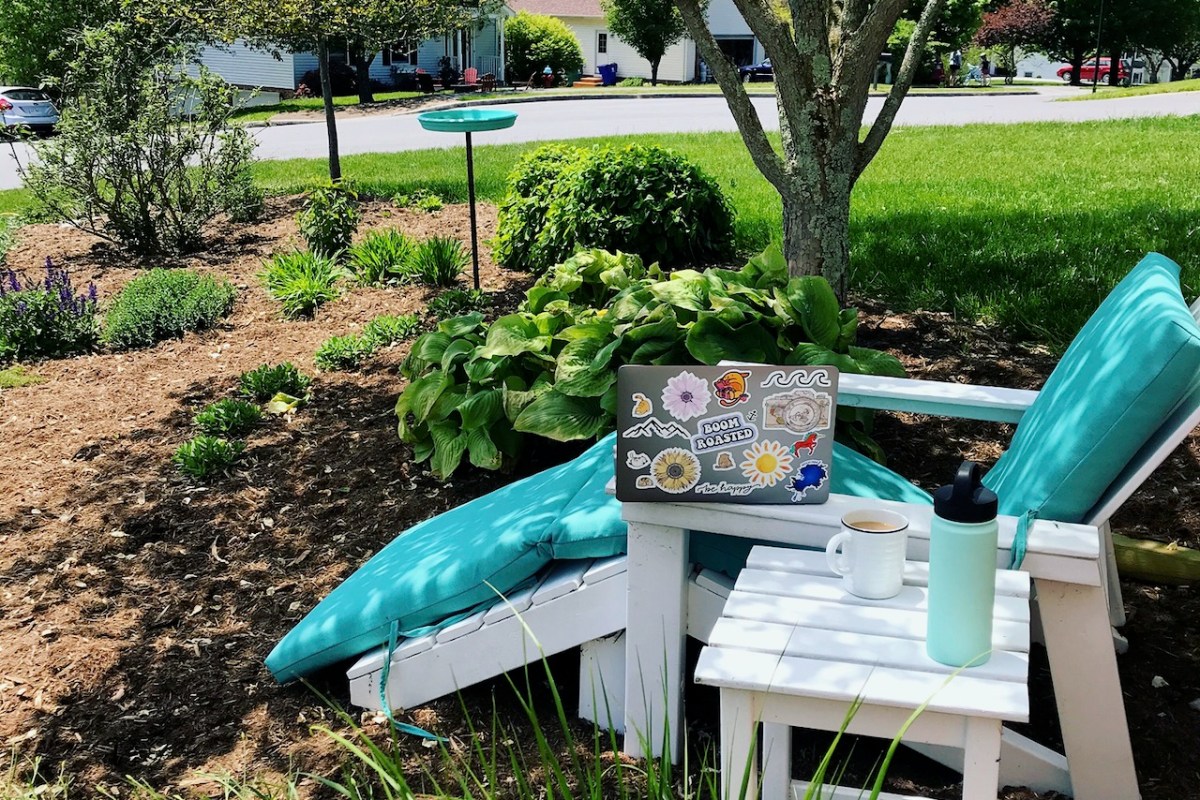
It was warm enough today that I was able to take my laptop outside and work from the garden. Before I settled down with my afternoon coffee and the rest of the day’s work, I took a walk around the garden to check on what’s coming in and what’s blooming.
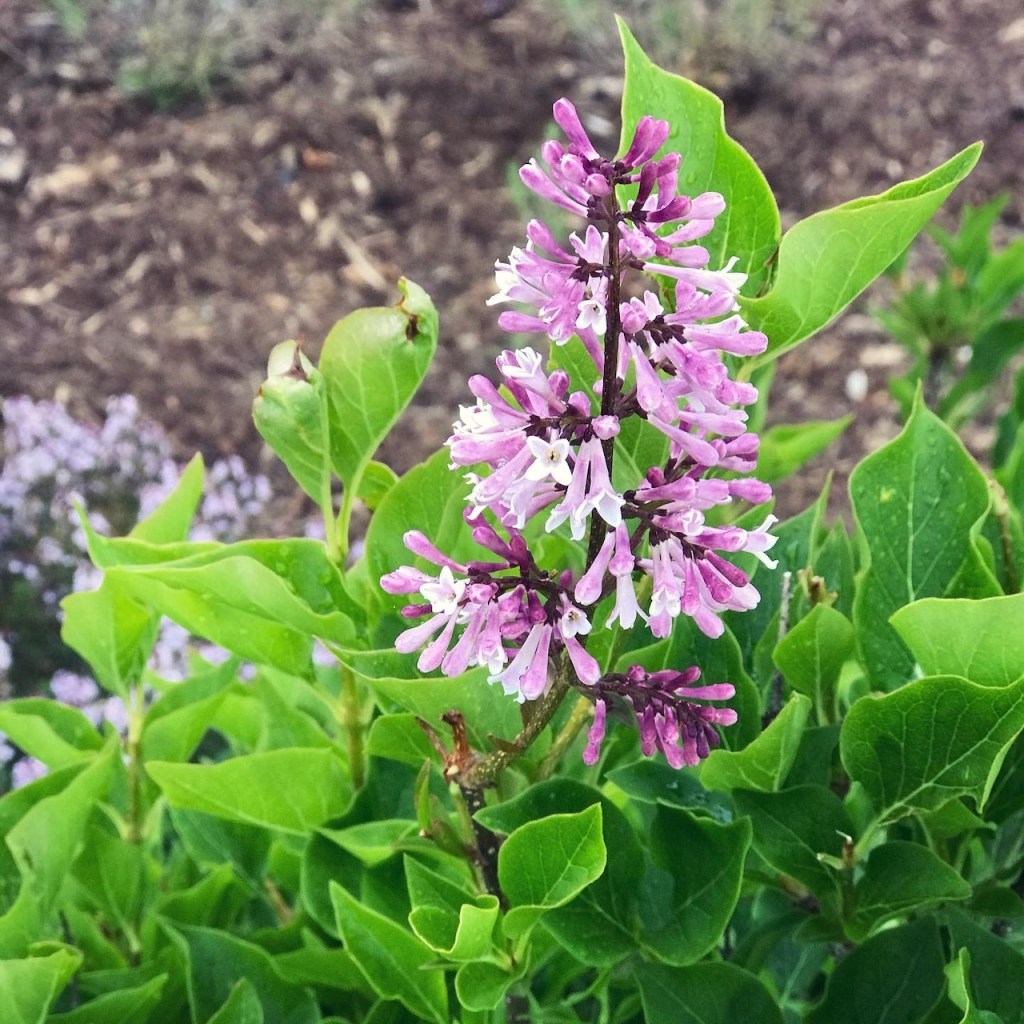
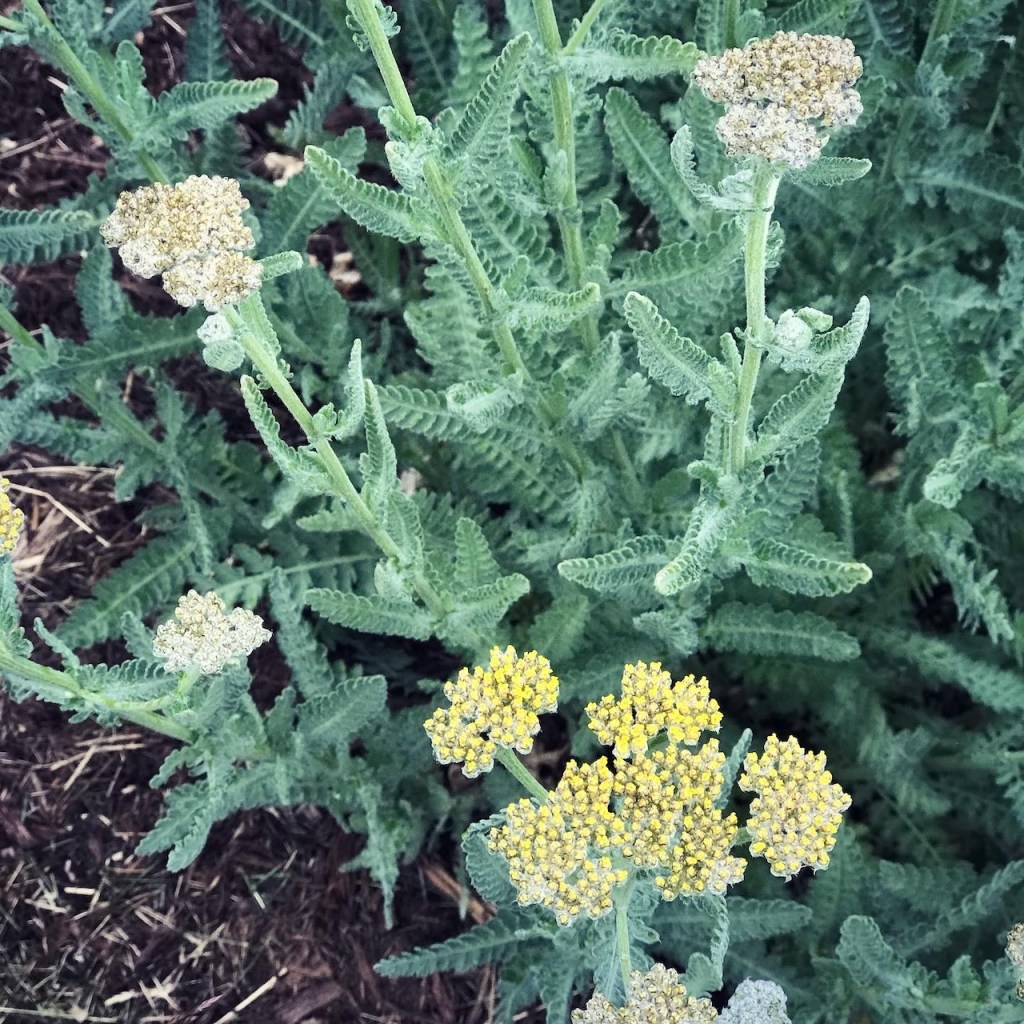
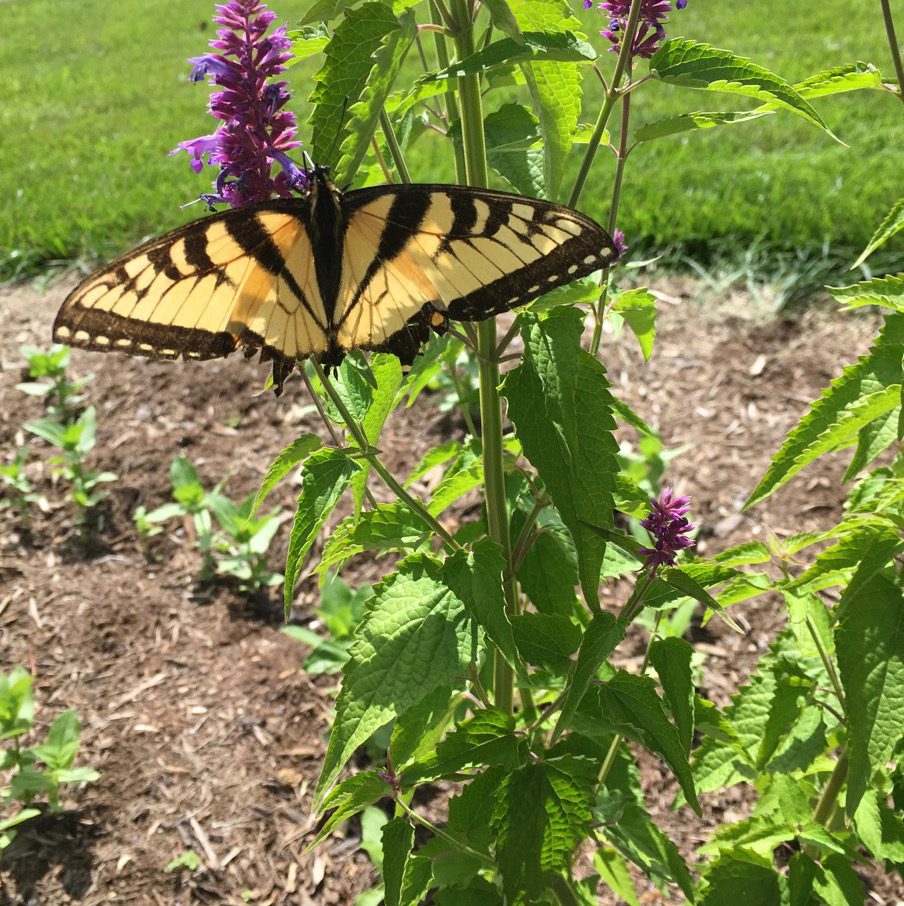
Dwarf lilac in bloom. It only has this one flower cluster this year. The yarrow is almost there. Any day now and its flowers will be yellow as buttercups.Salvia so fresh and pretty 😍Volunteer dill coming up out back. I’m always happy to see dill come back. I love it with salmon. The swallowtails love it, too.
I’ve wanted a passionflower the past two years, but I always manage to miss the very brief window our garden center has them, if they get any in at all. I also wanted a couple more perennial milkweeds, specifically in orange, which is also always a crapshoot.
With the pandemic raging, and our local nursery not knowing what they’ll get or when, and because we’re sheltering in place, I decided to try ordering plants by mail. I wasn’t sure where to begin because I’ve never ordered plants by mail, and I really didn’t know what I should look for in a seller (or how to find a reputable one). Some Google searches turned up a few options, and I was able to find both passionflower and milkweed at Burpee online. I ordered in early April, and they said the plants would be ready to send April 27.
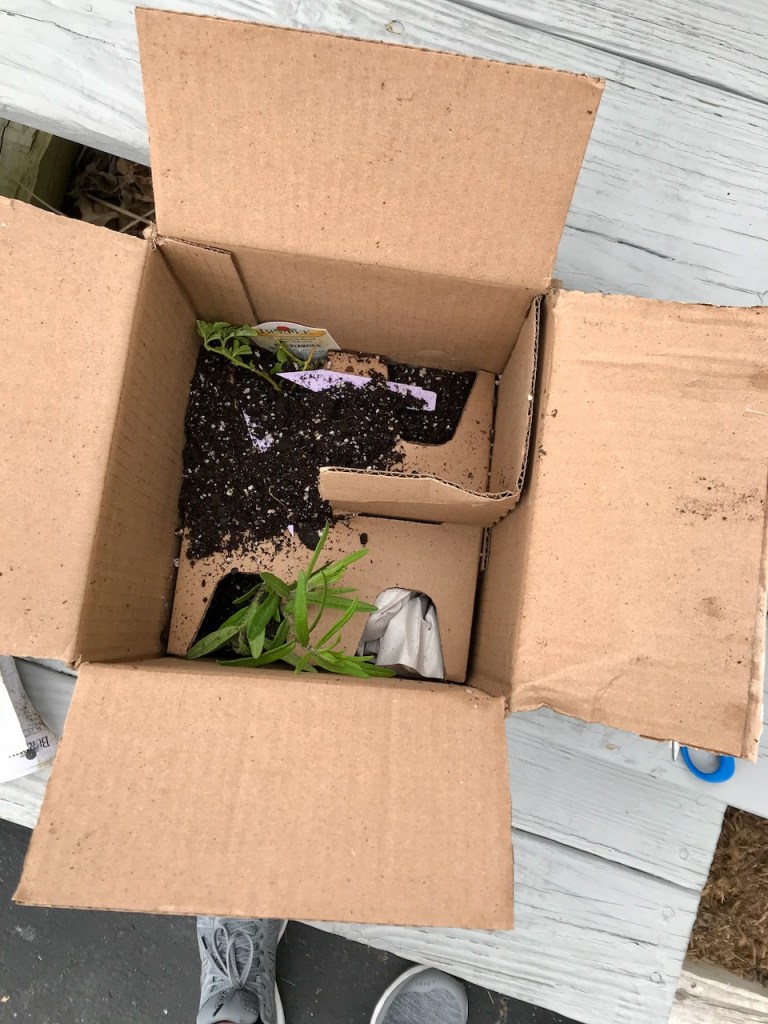
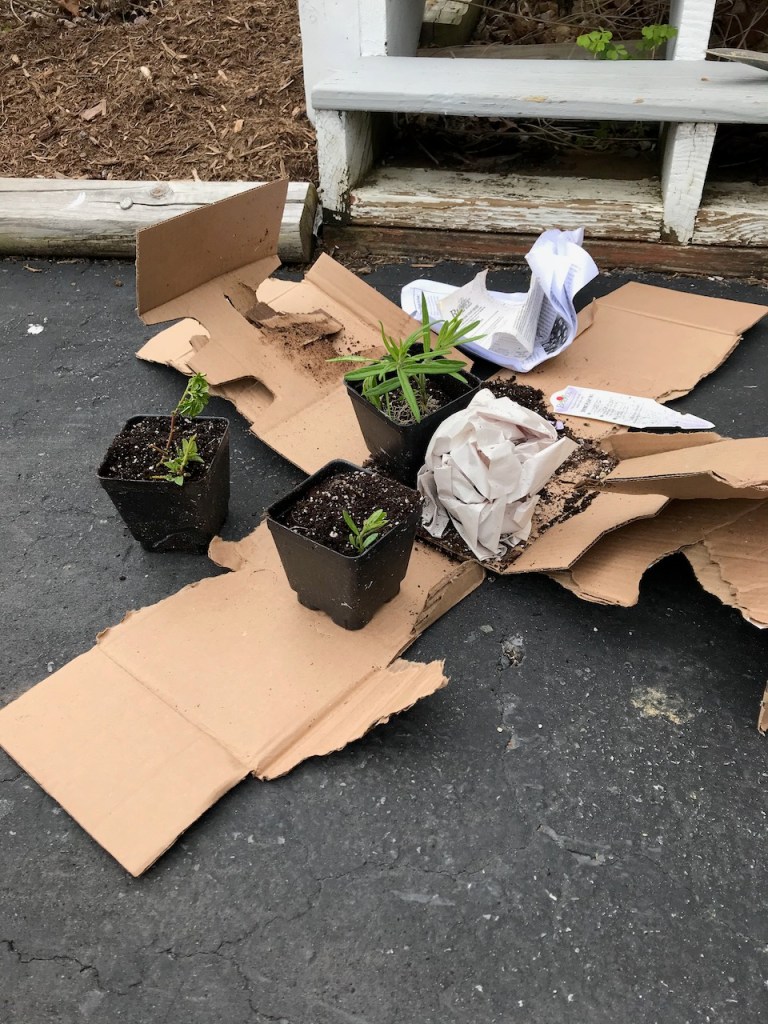
I had no idea in what condition they would arrive. This was all new to me! They arrived in a cardboard box. They were potted in soil and had a sophisticated cardboard contraption to hold the pots in place. The box was stamped with arrows indicating THIS SIDE UP, but of course the soil was spilled all over the place in the box.
Plants by mail
A peek inside the box — how do I get the plants out?
It was damp inside the box, and the plants looked like they’d been through the ringer, but they were intact and green. They were very small given how much they cost. I’d have been able to get plants 3 times that size at the nursery for half the price, but as I mentioned, that would have been dependent on the nursery actually having them. And also, pandemic.
Liberating the plants without injuring them
The pots underneath the pot holder
I had to destroy the box to get them out (I couldn’t figure out how to get the cup-holder like contraption out without tearing off the sides of the box), but the plants were alive, with leaves attached to stems and stems attached to roots.
Plants by mail freed from the box!
Passionflower (1) and Milkweed (2) plant tags
I put them straight into the ground and watered them in. I have my fingers crossed the rabbits don’t eat these. If they do, I’ll put up fencing.
One transplanted milkweed (foreground) and two milkweed by mail (middle and flagged)
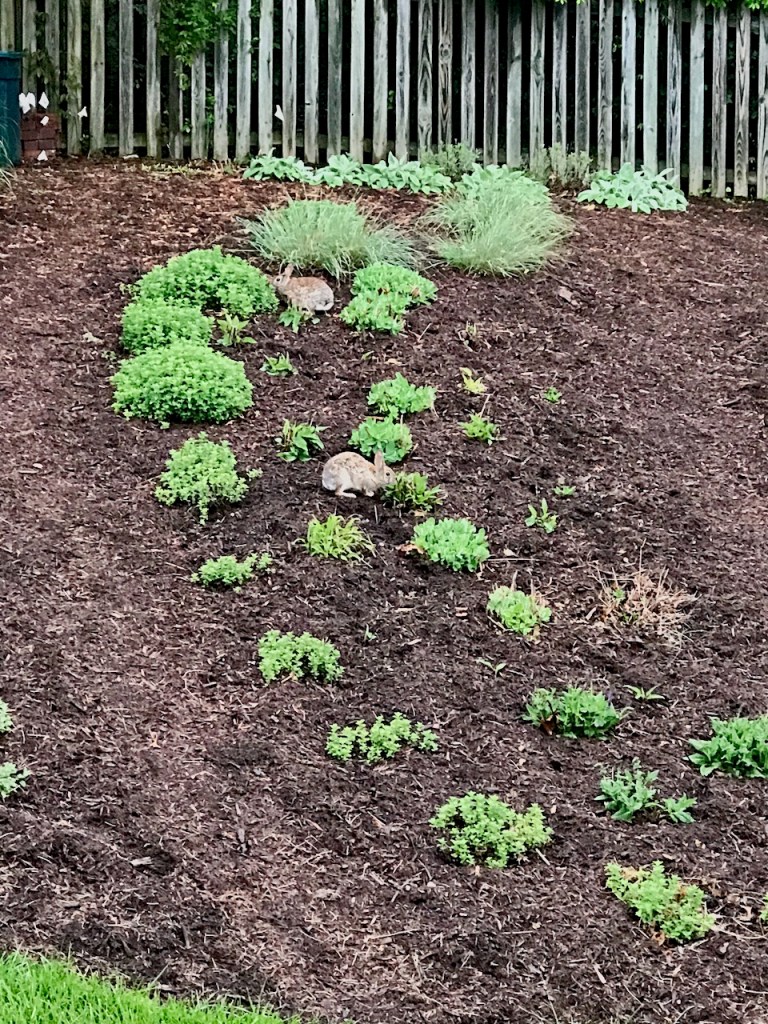
I spent yesterday watching five rabbits run and play in our neighbor’s yard. The previous owners of the house had a raised bed above their pool’s retaining wall that had corn in it one year, and has tulips and daffodils every March and April.
After the tulips come and go, the neighbor’s bed is overgrown for the rest of the year until it dies back again in winter. Right now it’s filled with dandelions and other high weedy plants perfect for hiding bunnies. They jumped and chased and sped through the grass and between fence slats, never stopping to nibble on anything.
Then, this morning, two of them calmly nibbled their way through my echinacea. It’s fine, the echinacea is established and will come back. If they eat it down too much before it’s able to grow tough bitter leaves they don’t want, I’ll put some fencing up. I feed the caterpillars and the birds, why not the bunnies too? They’re fun to watch.
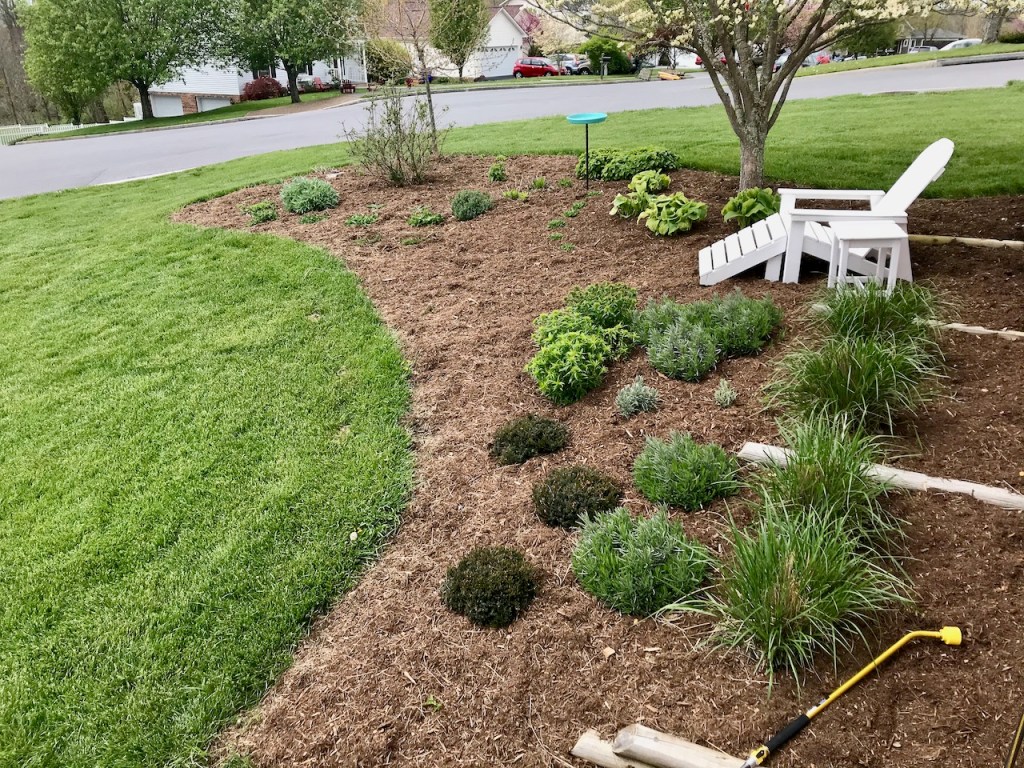
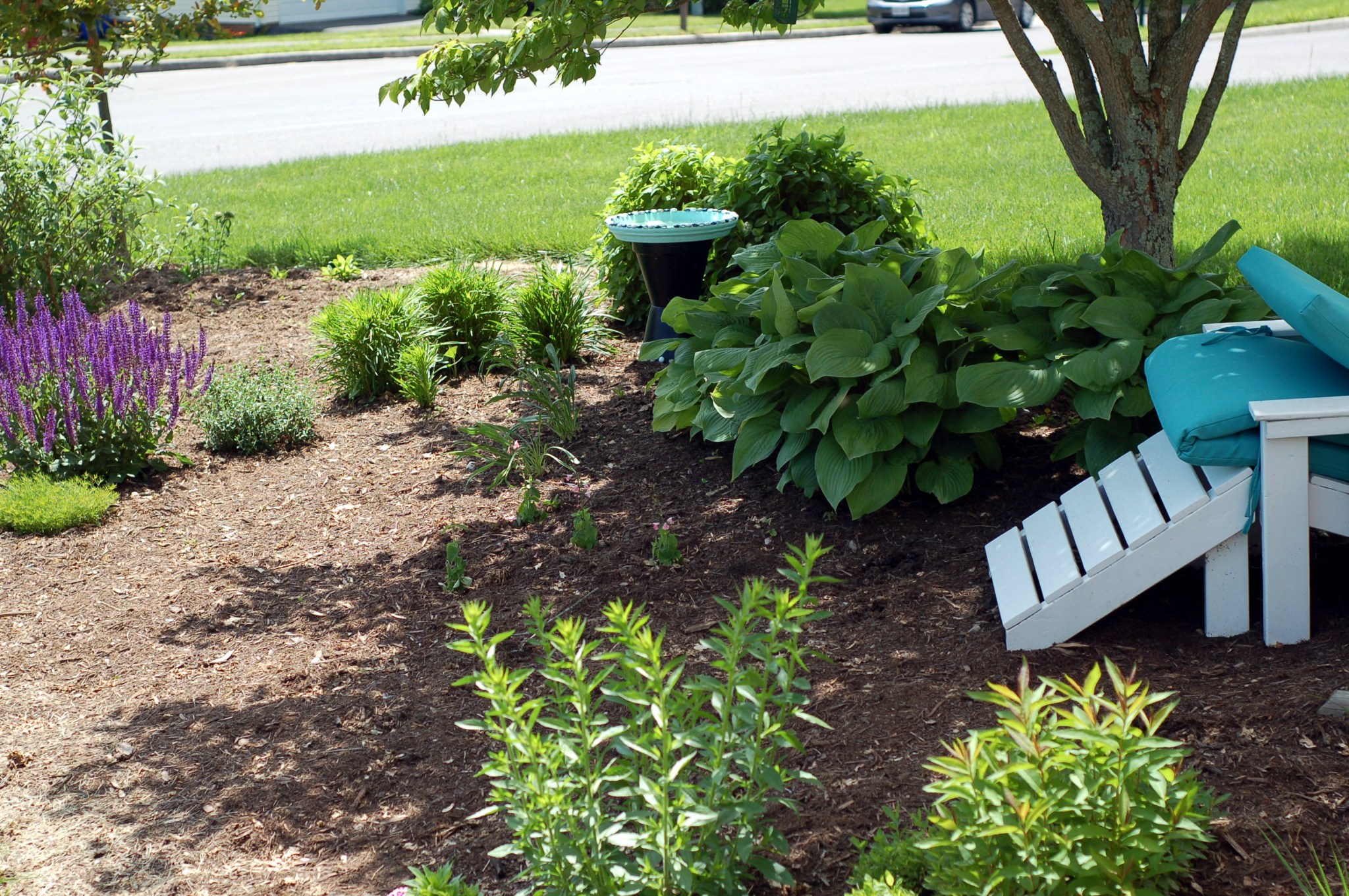
This is the time of year where I walk the garden every day to see what shoots are emerging from the ground, what’s about to blossom, and what’s already in bloom. I also like to admire the garden overall with all it’s tidy mulch I spent a week spreading.
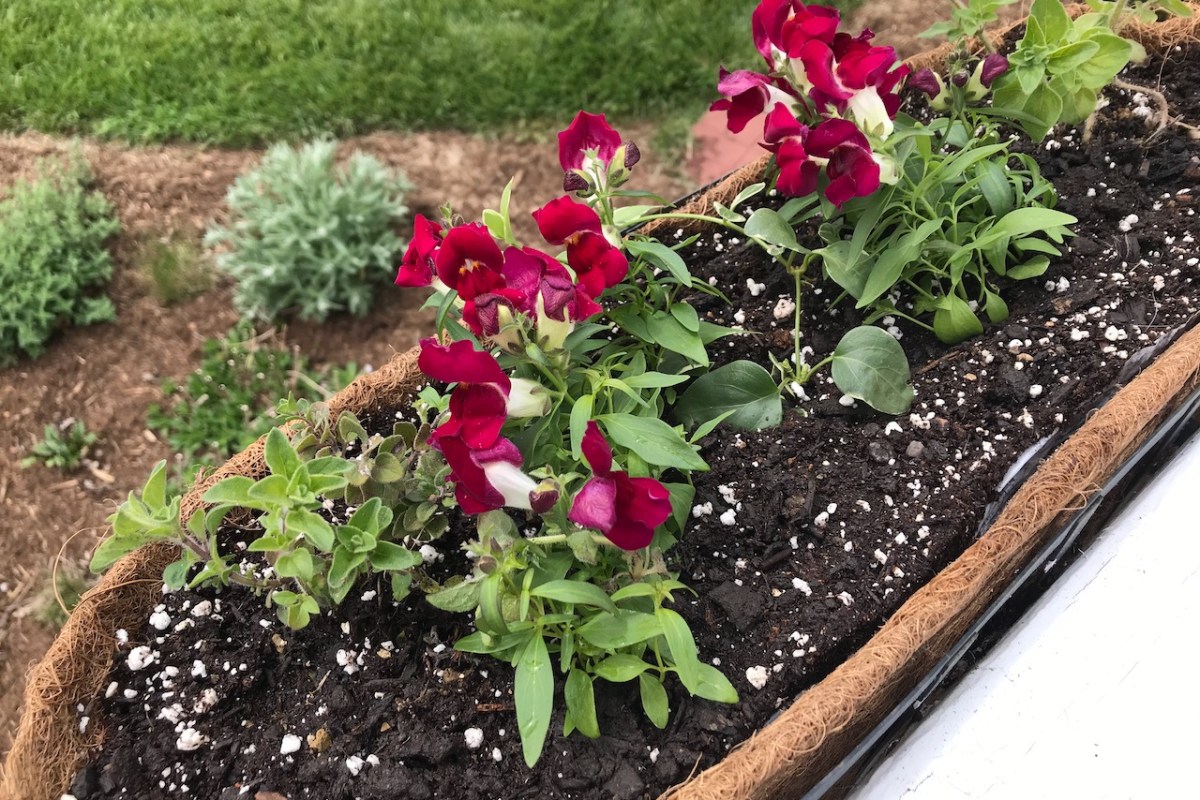
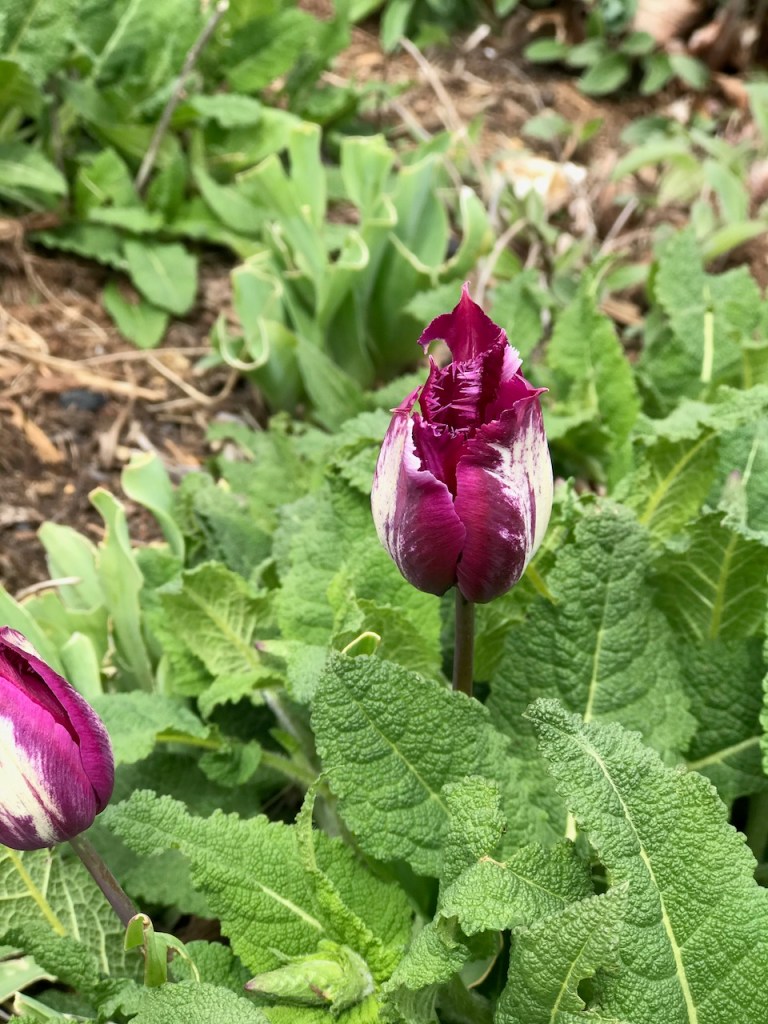
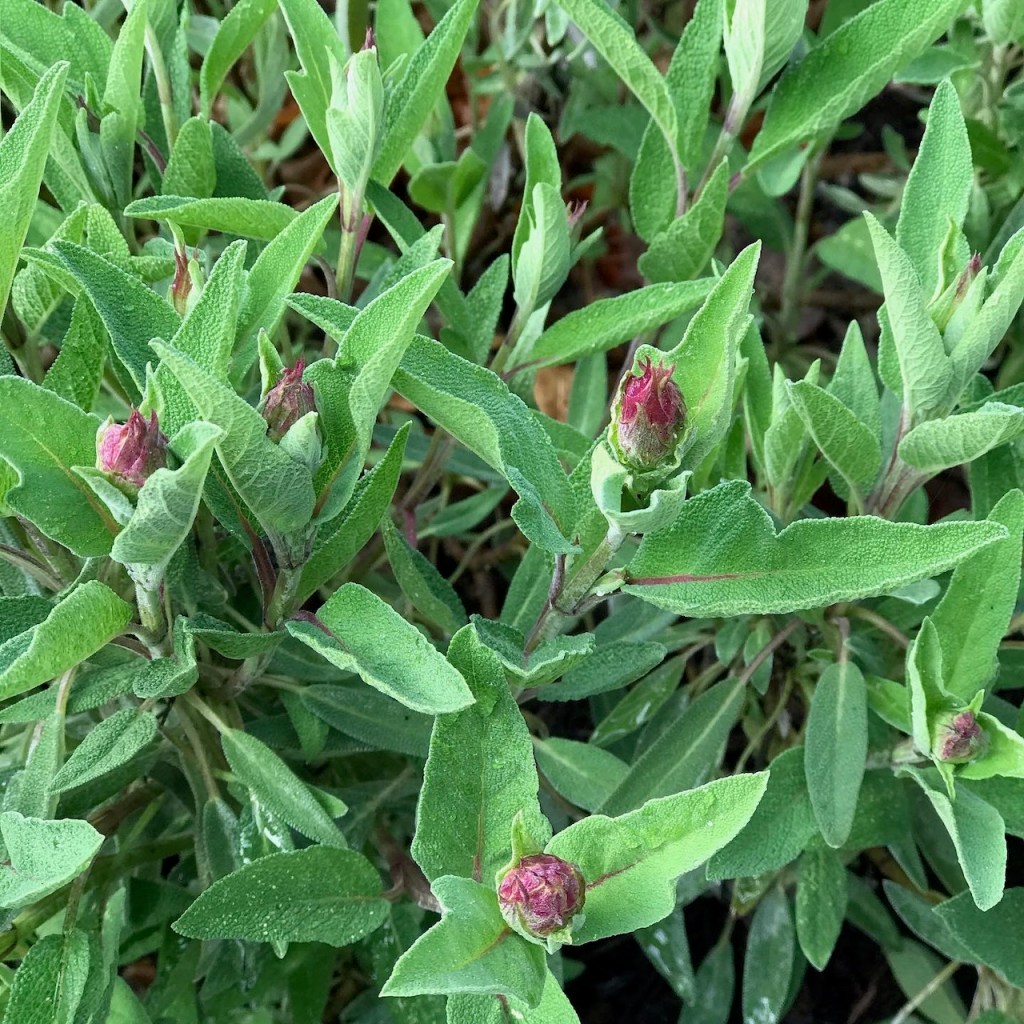
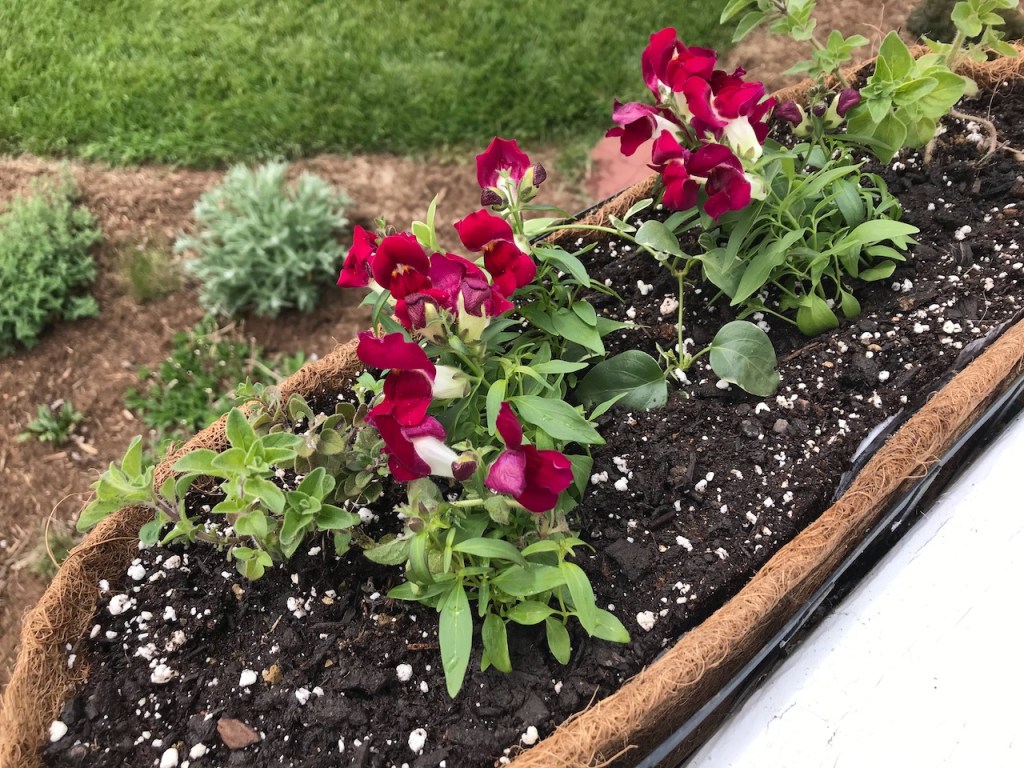
The dogwood flowers finally openedTulips the deer didn’t getSage budsSalvia buds Nepeta in bloomSnapdragons for the flower basketsRose bedMy front garden perchFront of houseBack perch
I’ve spent the past five days in the open air. I am on my annual garden vacation. Instead of listening to news of the coronavirus, I’ve been outside in garden gloves and hat.
Over the past five years we’ve lived in our house, I’ve killed a lot of grass to create flower beds for butterflies. I’ve accumulated perennials over those years as well. In March, instead of the beds being barren and brown like they were when I first created them, green leaves and shoots emerge. They make me giddy every year. Green! Renewed life!
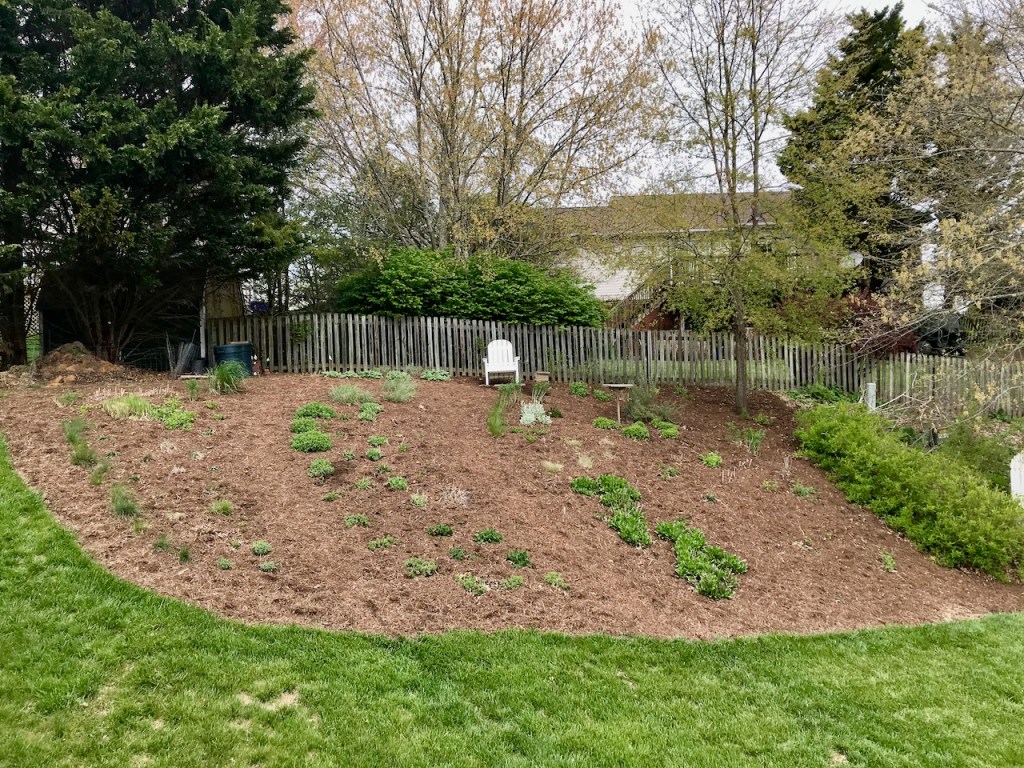
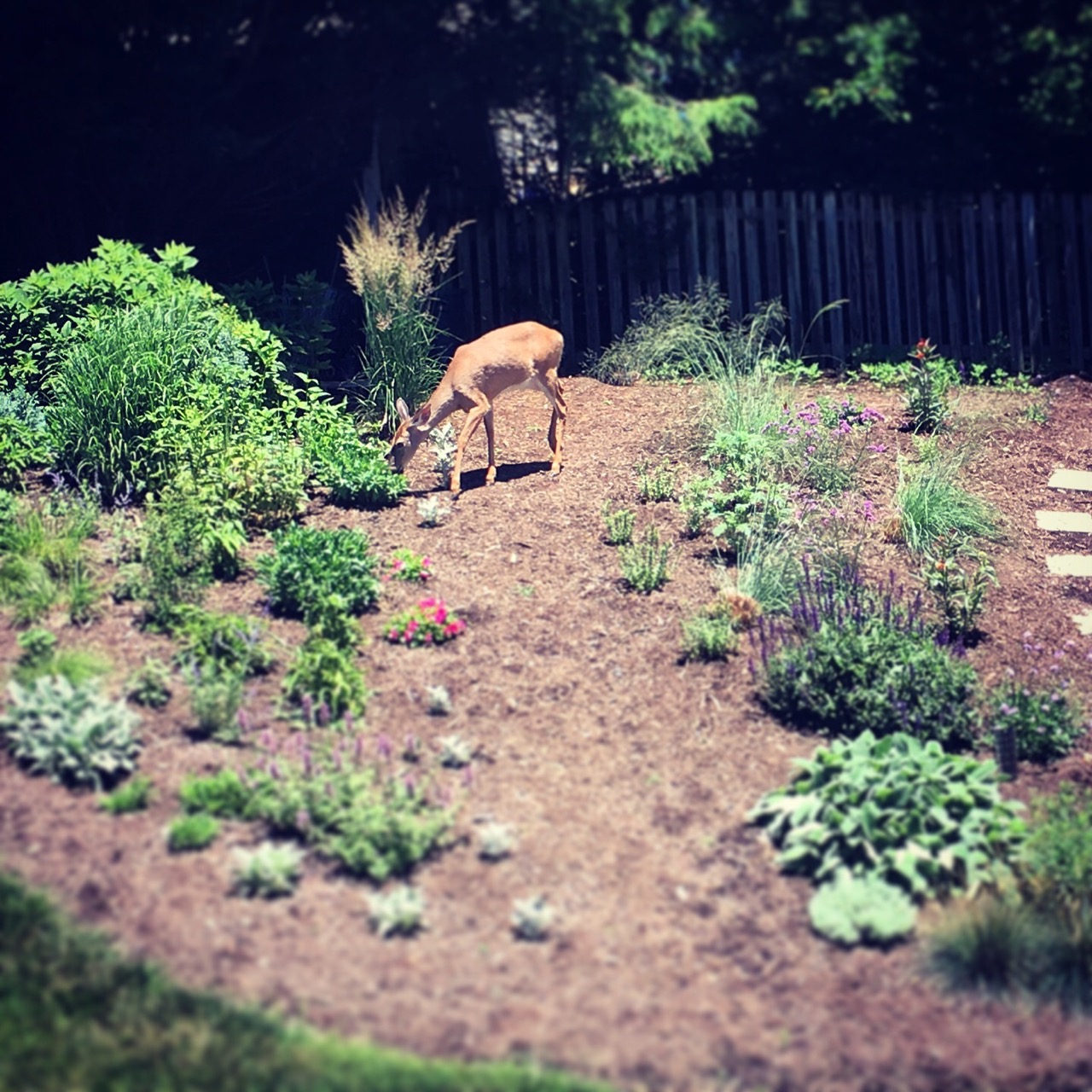
Each spring, I take a week off of work to spend in the garden, to get it ready for the birds and butterflies (and bunnies and deer). I move plants around to change things up year over year, and then spread about 8 tons of mulch over all the beds.
My garden vacation begins in less than a week. On Friday we will have two trucks of mulch delivered. Today was gorgeous: blue sky, sunshine, and enough warmth that I could garden and turn the compost.
I finally cut back the remaining ornamental grasses and perennials today. I moved a bunch of stuff around — echinacea, sedums, rue, little bluestem grasses, bee balm — and planted about 20 liatris bulbs. I moved stuff around to group them better. The middle bed is predominantly echinacea and sedum now, it’s going to be so pretty in late summer.
I sat in the sun with a cup of coffee and my journal after I watered the compost. As I sat under white puffy clouds in a blue sky, sun warm on my skin and air fresh in my nose, it was hard to believe a pandemic is raging. It is a beautiful day. I sipped my coffee and listened to a lawnmower buzz, a woodpecker chock-chock-chock, neighbor voices carry on the air, and birds too-whit too-whit and twee-twee-twee-twee-twee.
Other than some seeds I’ll sow later, the back bed is ready for mulch. I’ve got a lot to do out front: cut back the grasses and perennials, prune the rose bushes, figure out how I want to arrange everything. I hope I can all get it done on my garden vacation! I can’t wait to put all that mulch down, and see the garden transform into a rich, thriving space. I can’t wait to watch the garden grow.
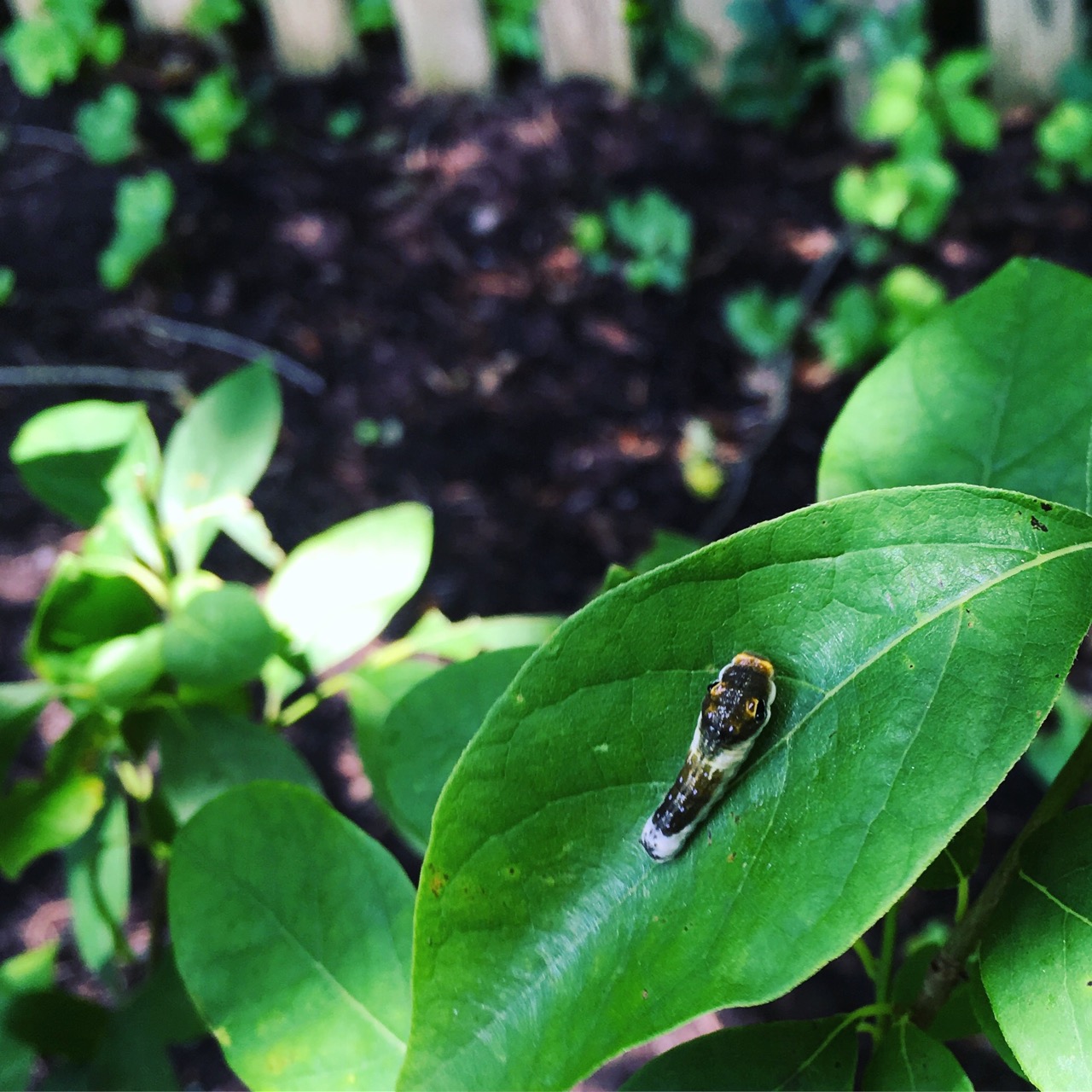
Spicebush swallowtail caterpillar before it rolls itself into one of the leaves to hide and change to the next phase (green with yellow and black eyespots)
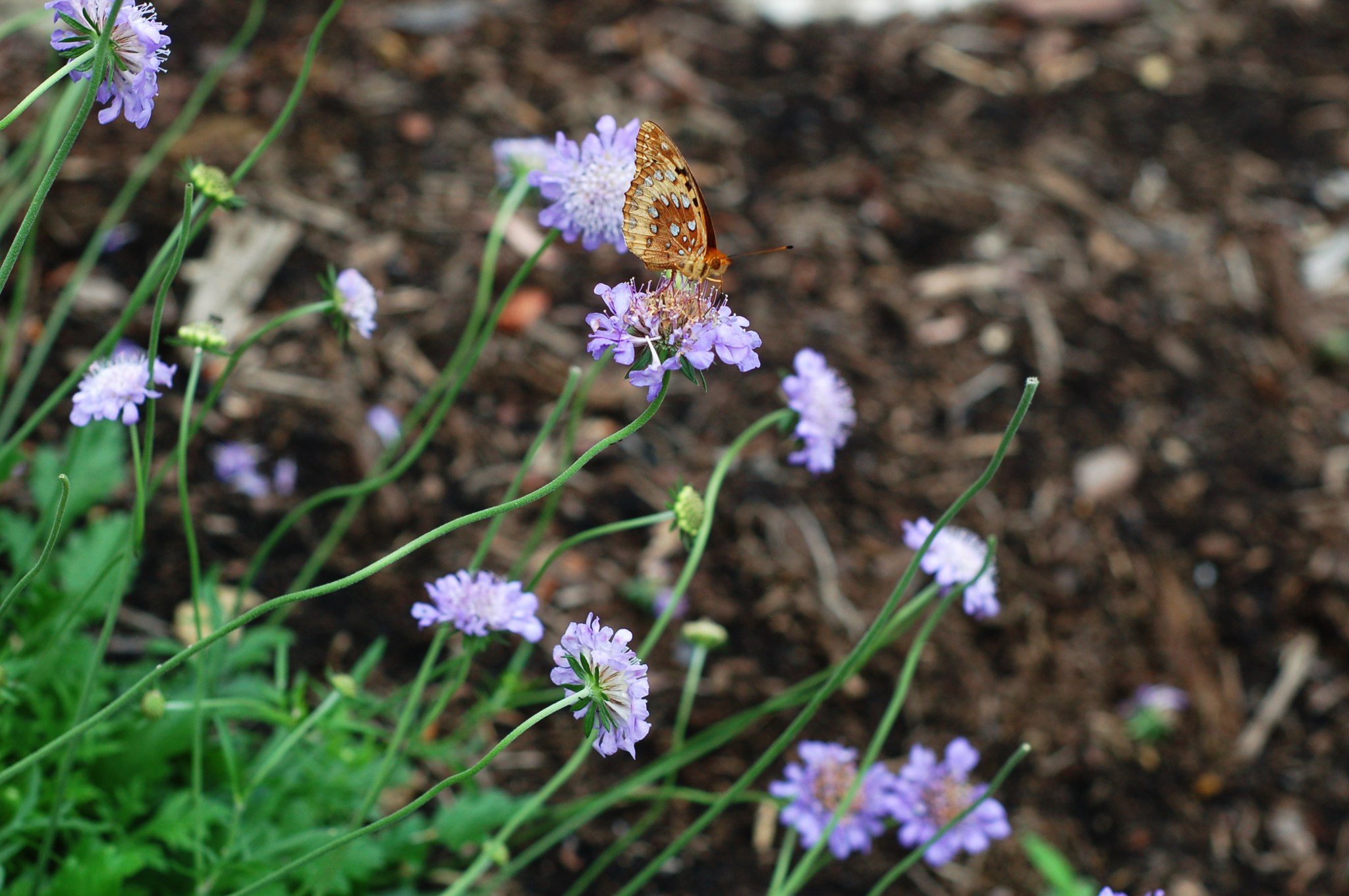
I saw a hummingbird in the garden today, the first of the season. It’s been raining for days. We got 2.5 inches Friday, then another half inch yesterday. During a break in the rain today, I saw a great spangled fritillary flitting around and drinking from all the purple flowers: the dwarf agastache, scabiosa, and lollipop vervain. It was my first chance in a few days to get out in the garden, so I took my camera with me.
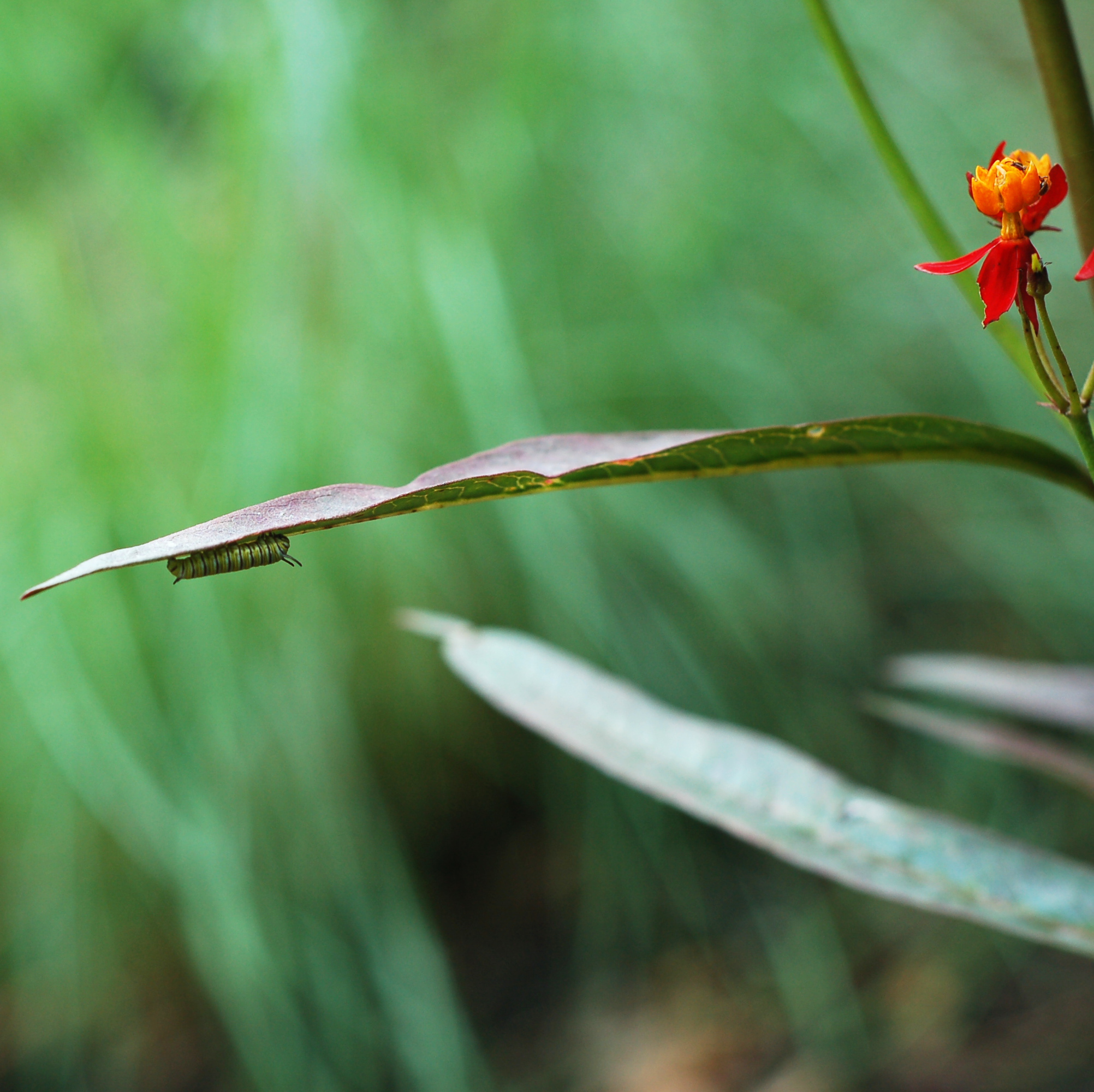
First monarch caterpillar! On butterfly weed.
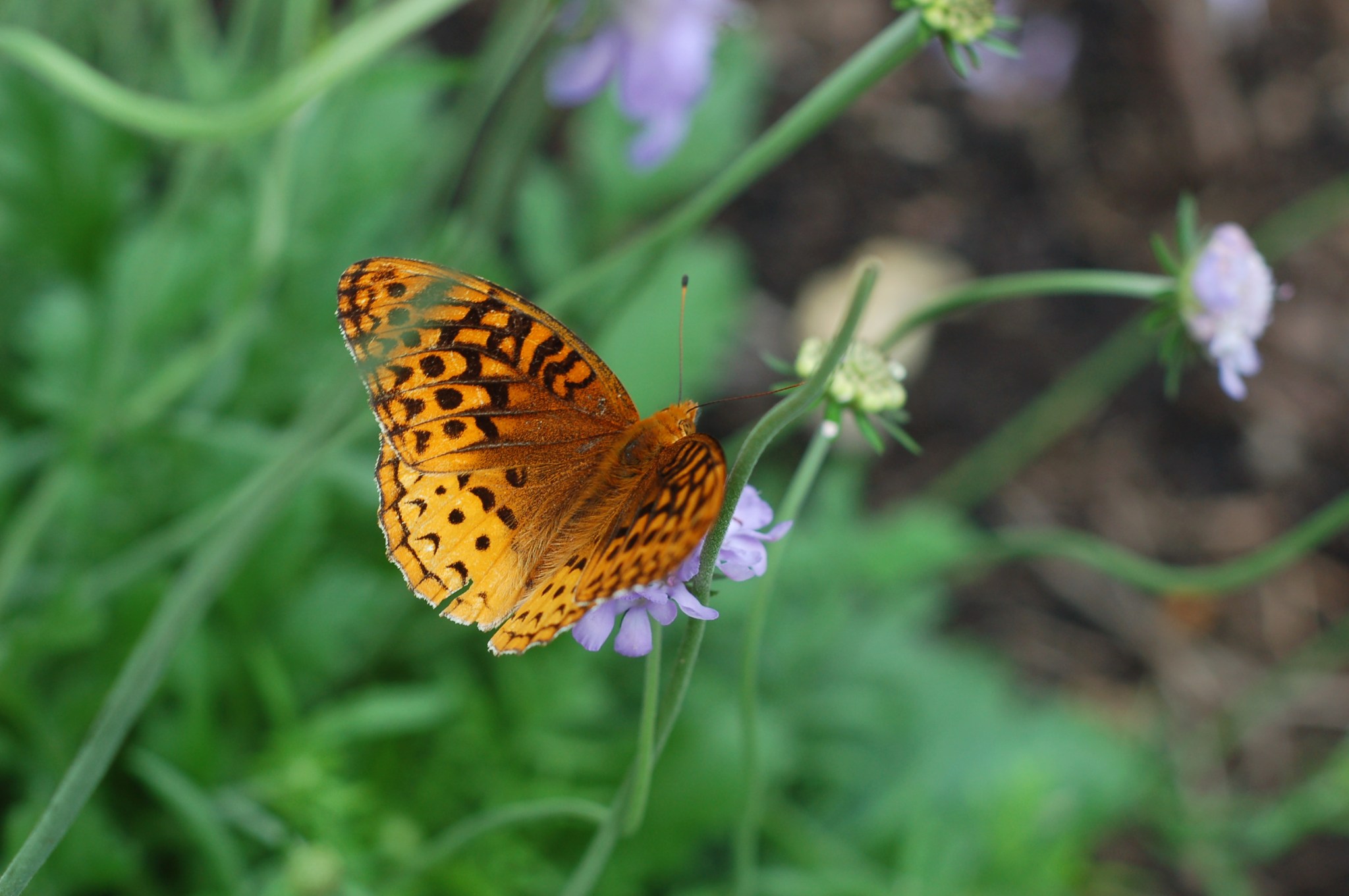
Great spangled fritillary on scabiosa
Look how fuzzy!
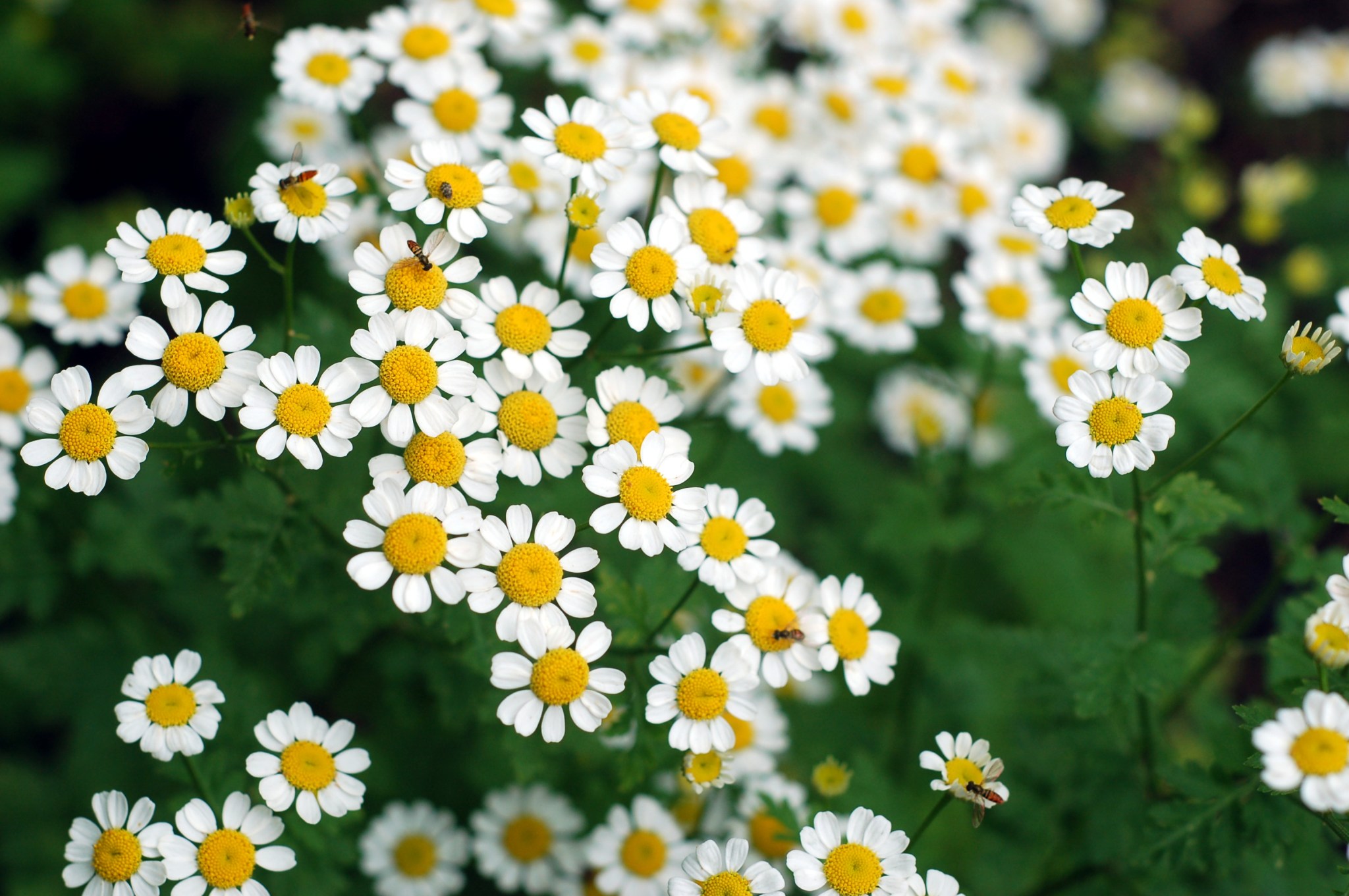
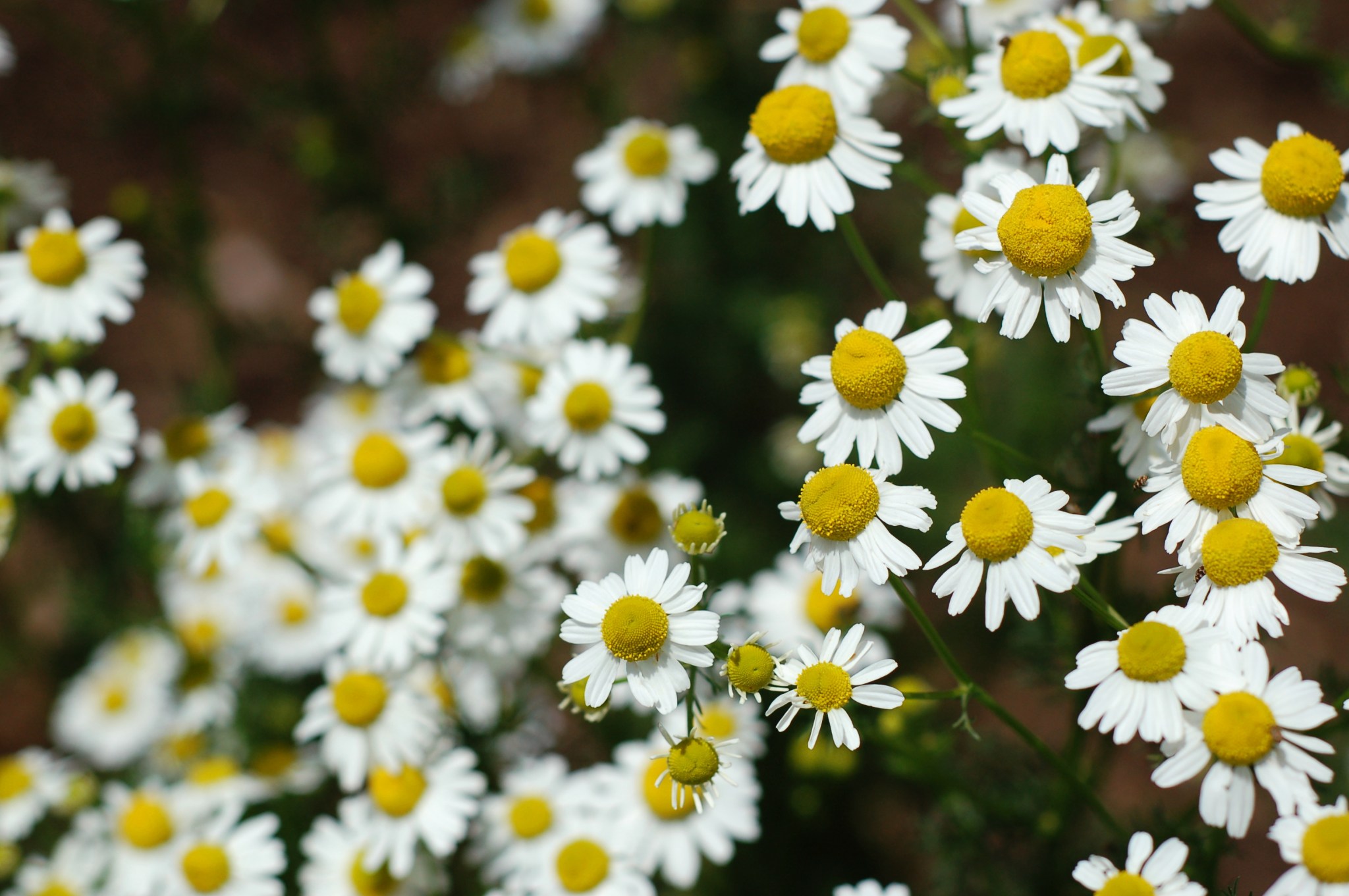
Feverfew blossoms
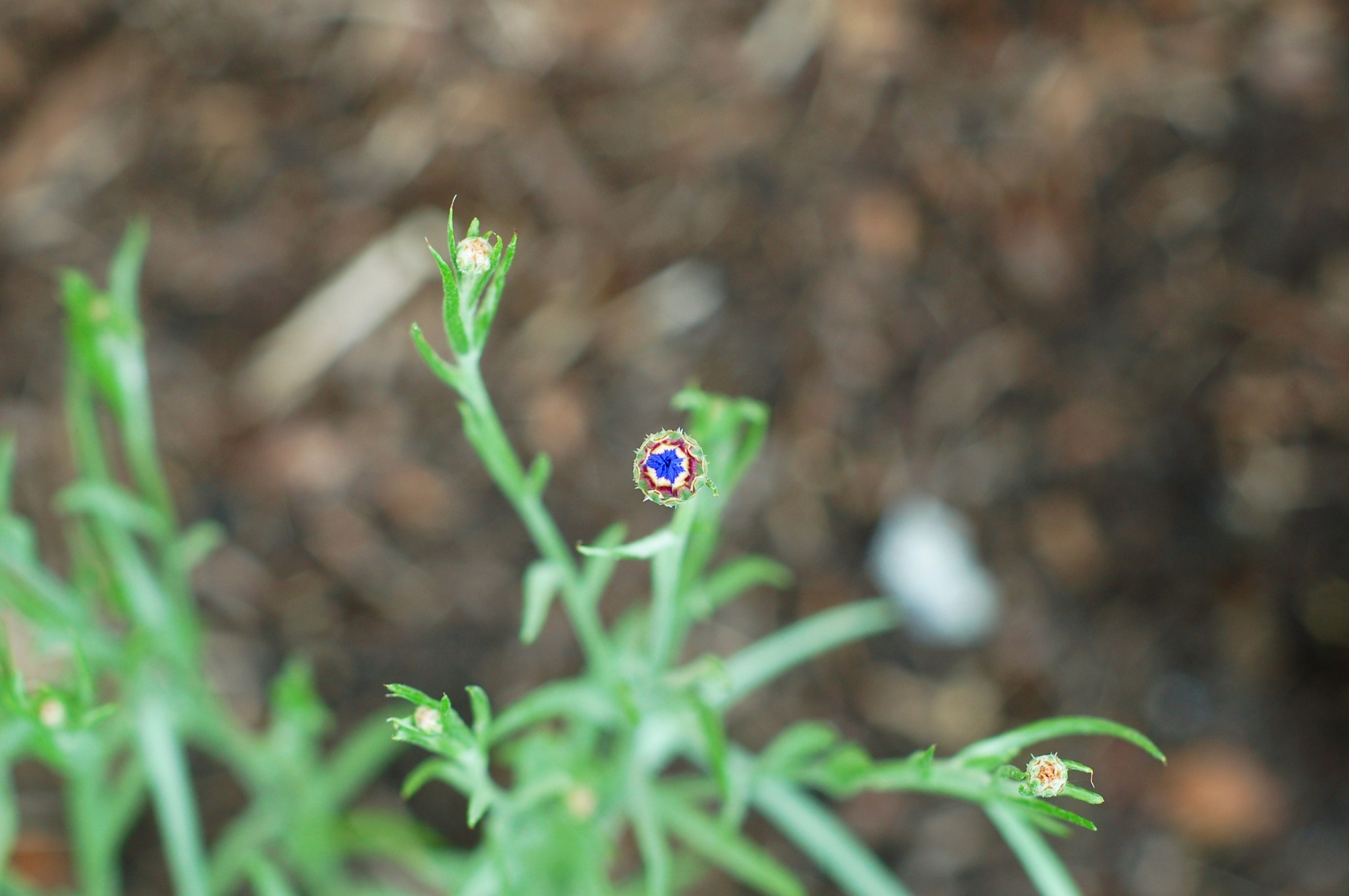
Cornflower bud
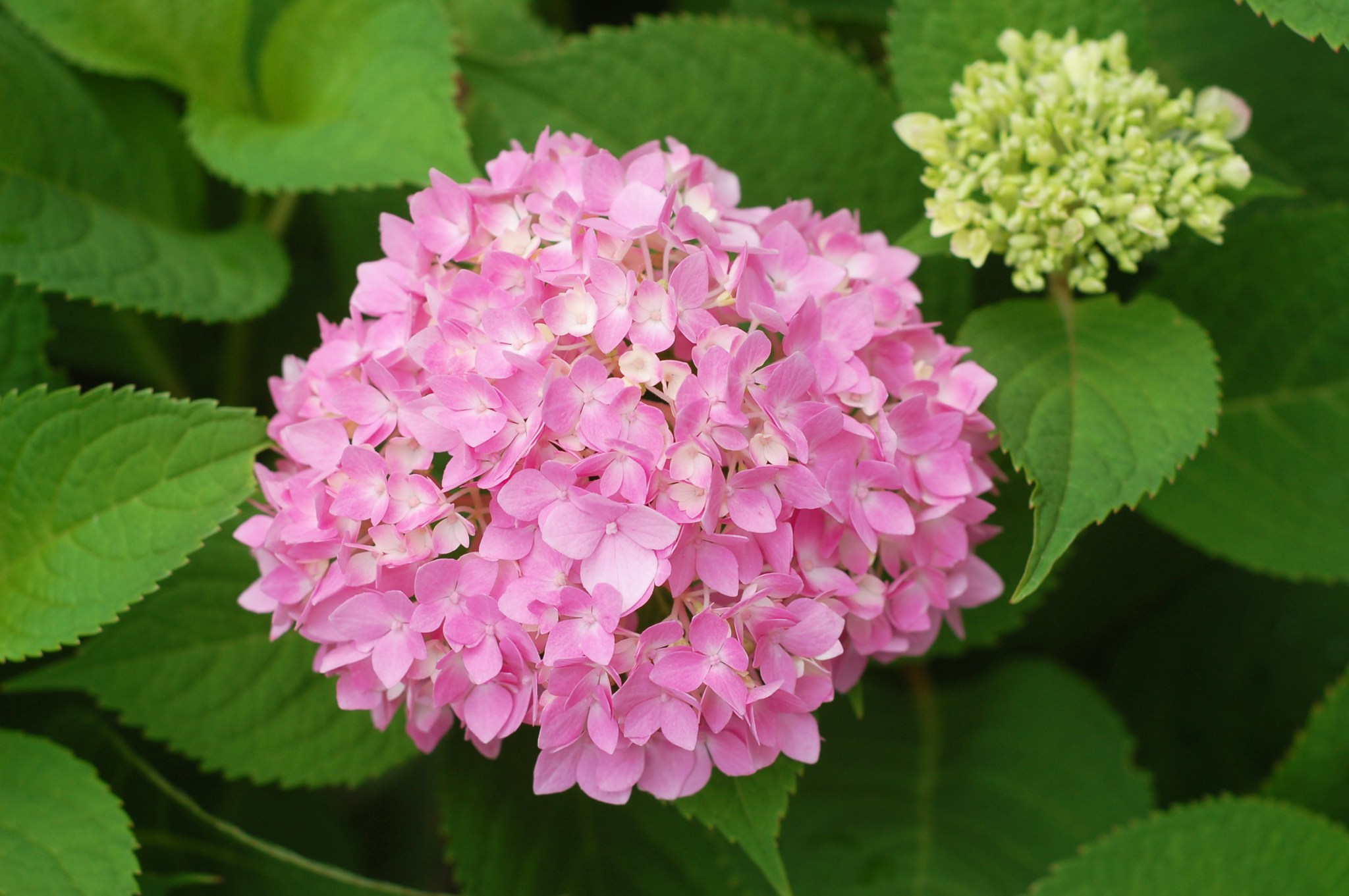
Hydrangea
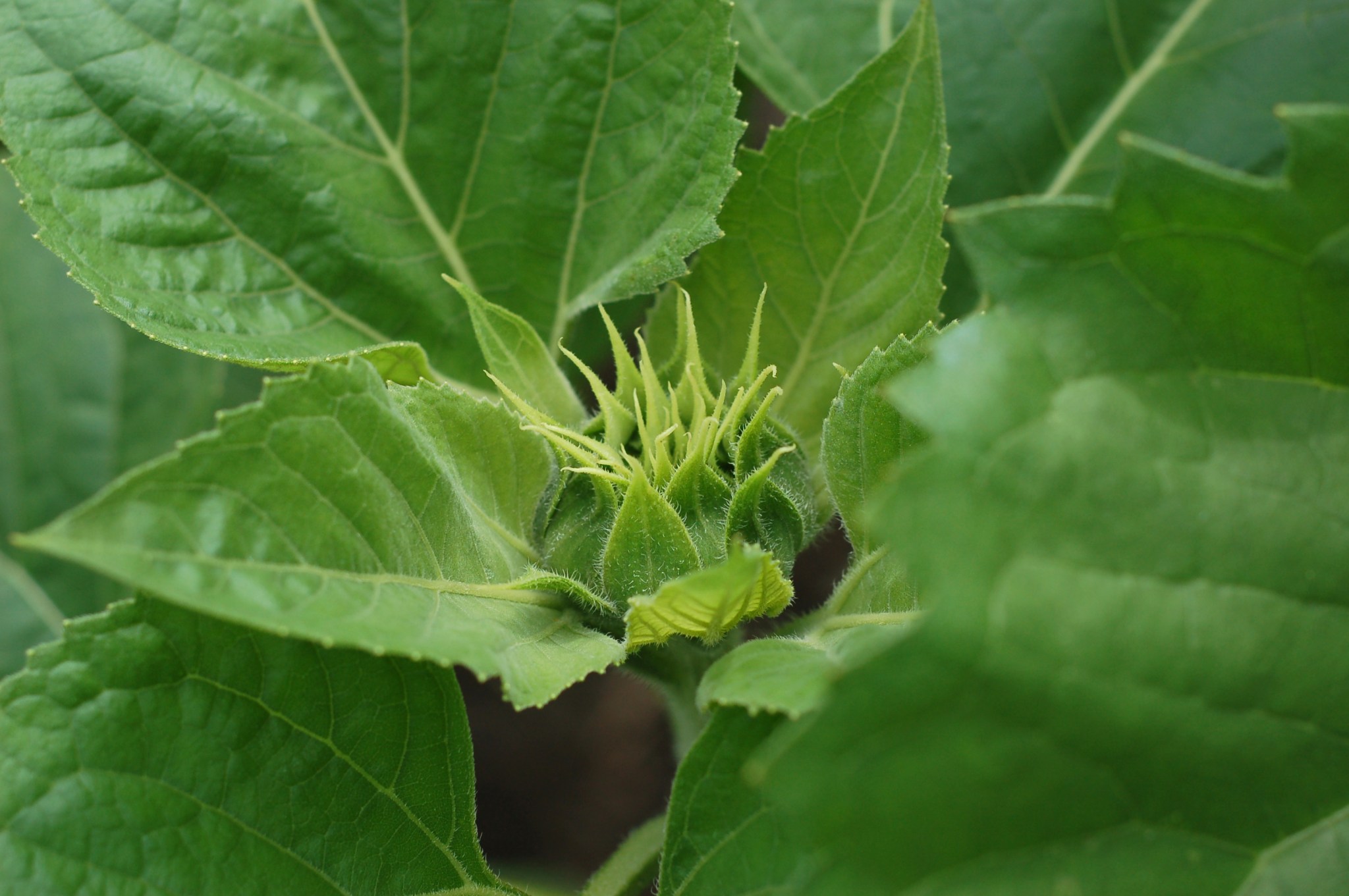
Sunflower bud from a volunteer
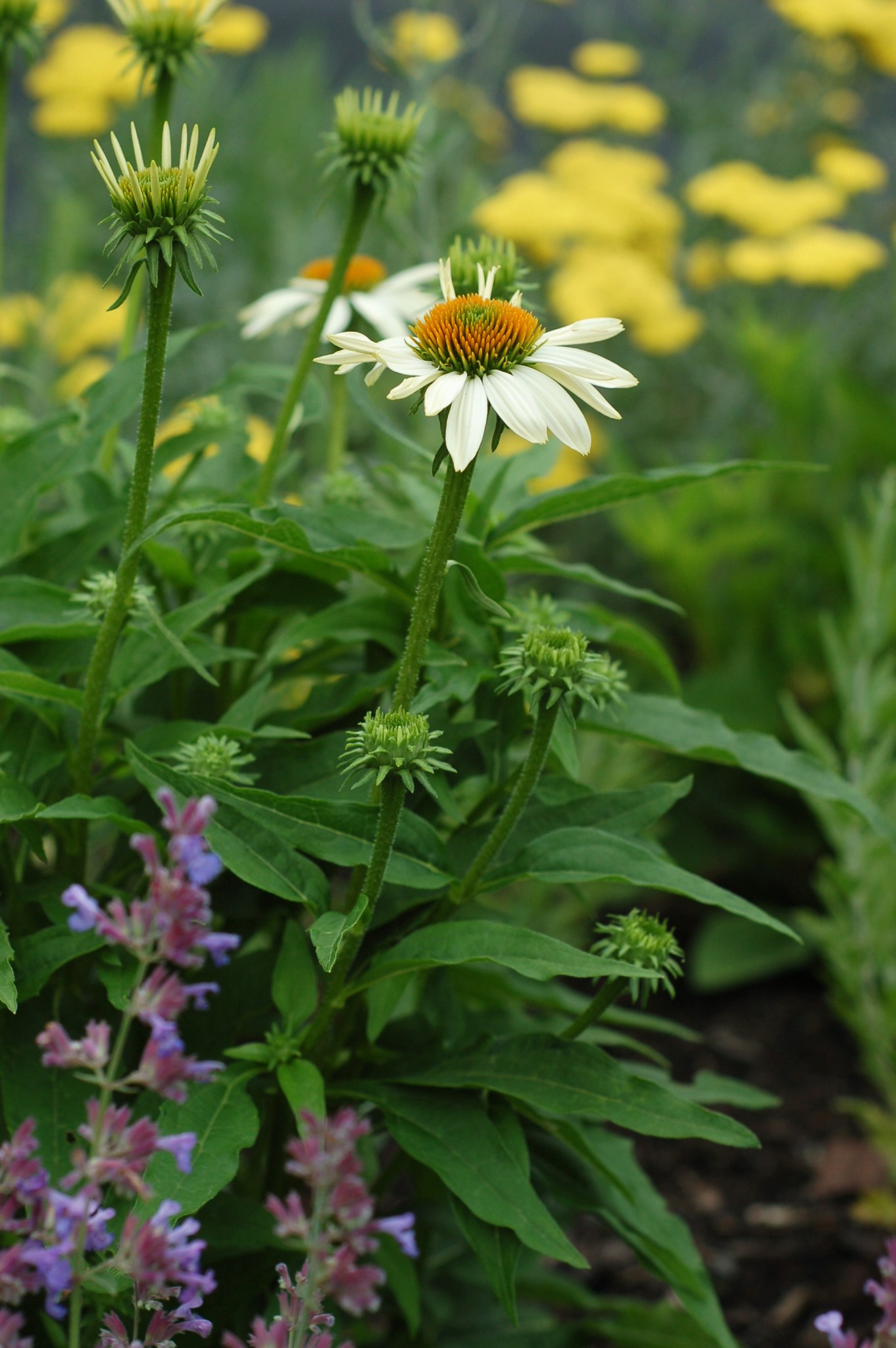
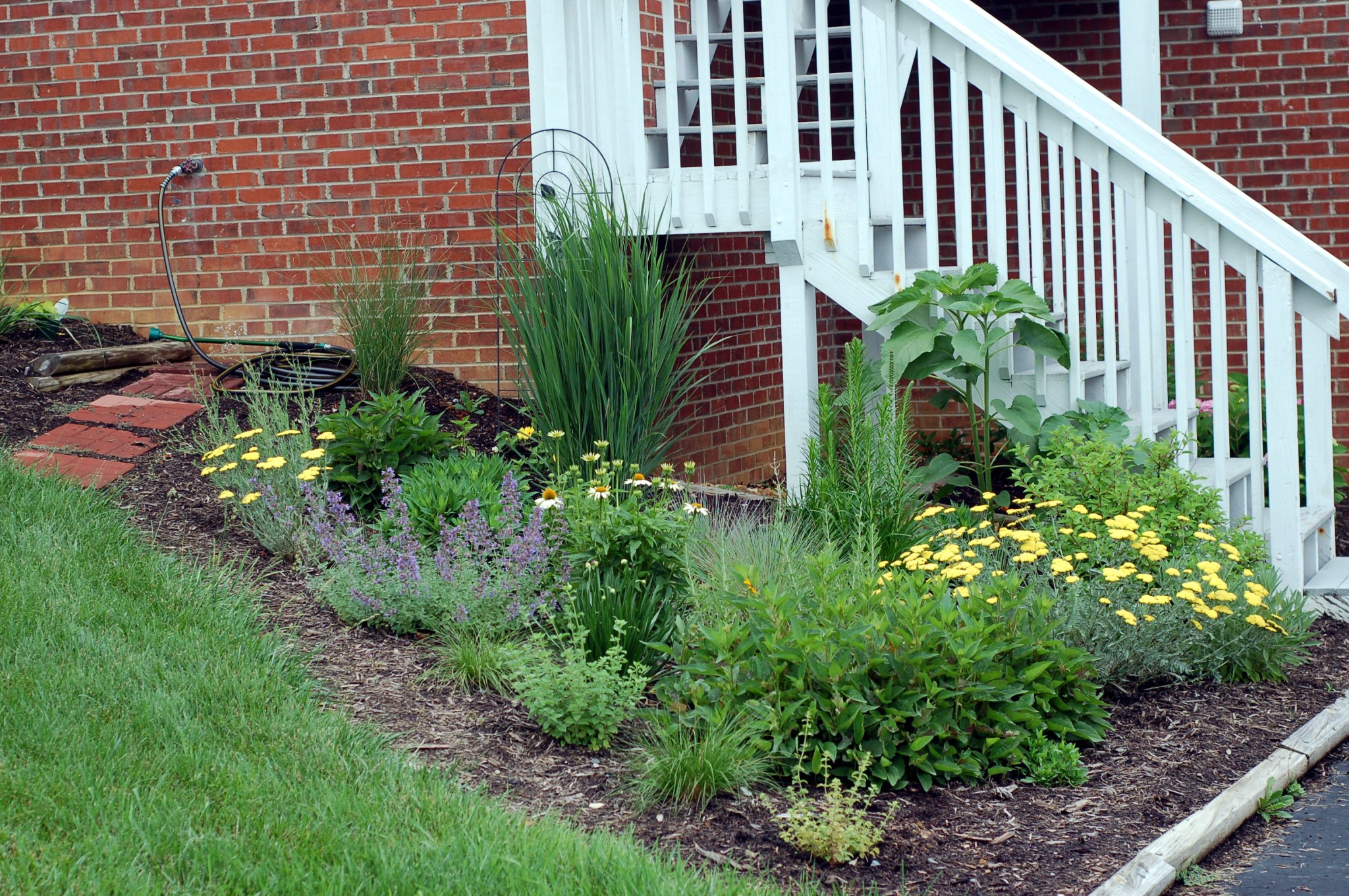
White coneflower, nepeta, and yarrow
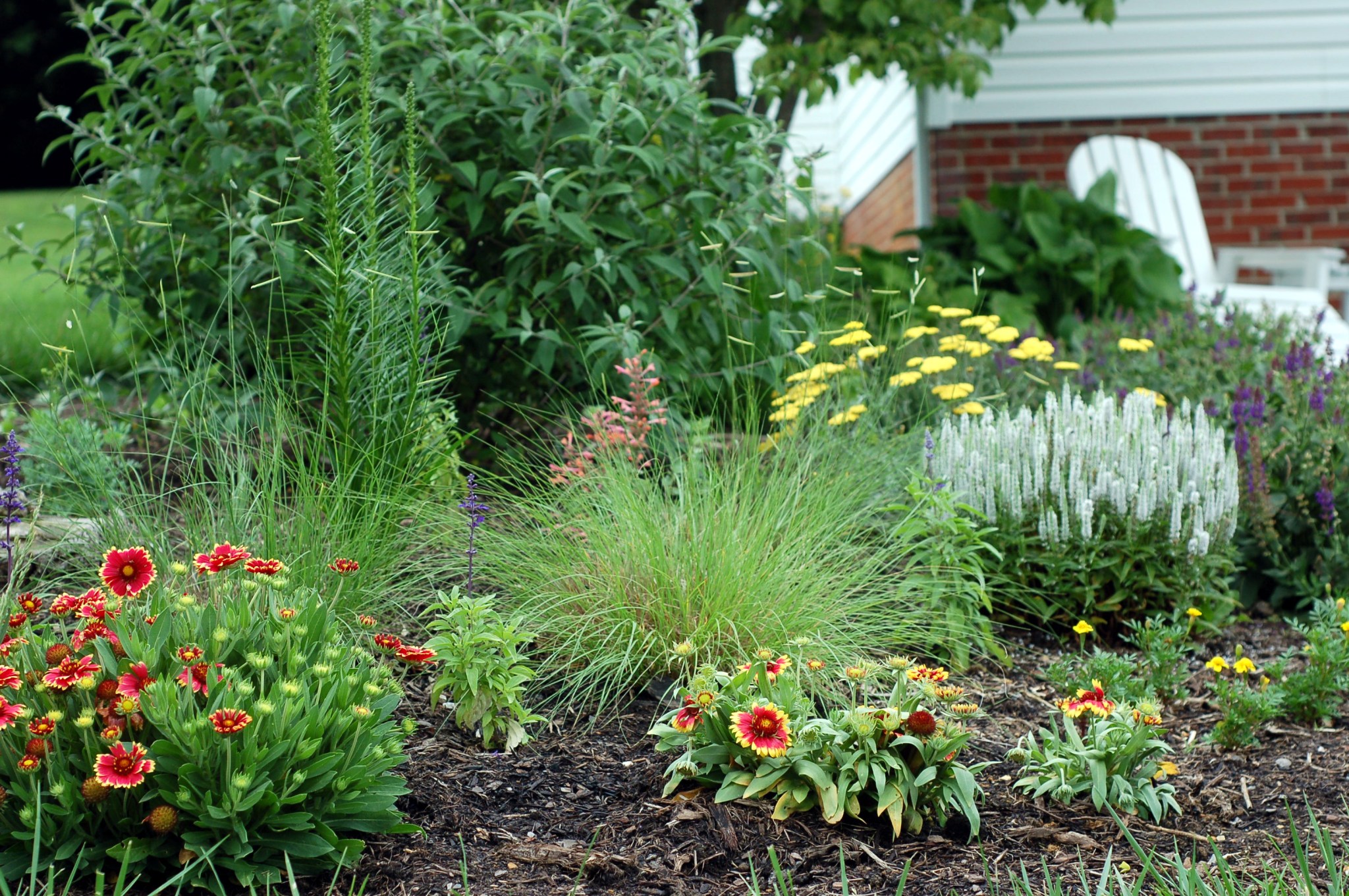
Blanket flowers, blue grama grass, white speedwell, dwarf agastache, yarrow, a butterfly bush that will soon bloom, and a bunch of other stuff
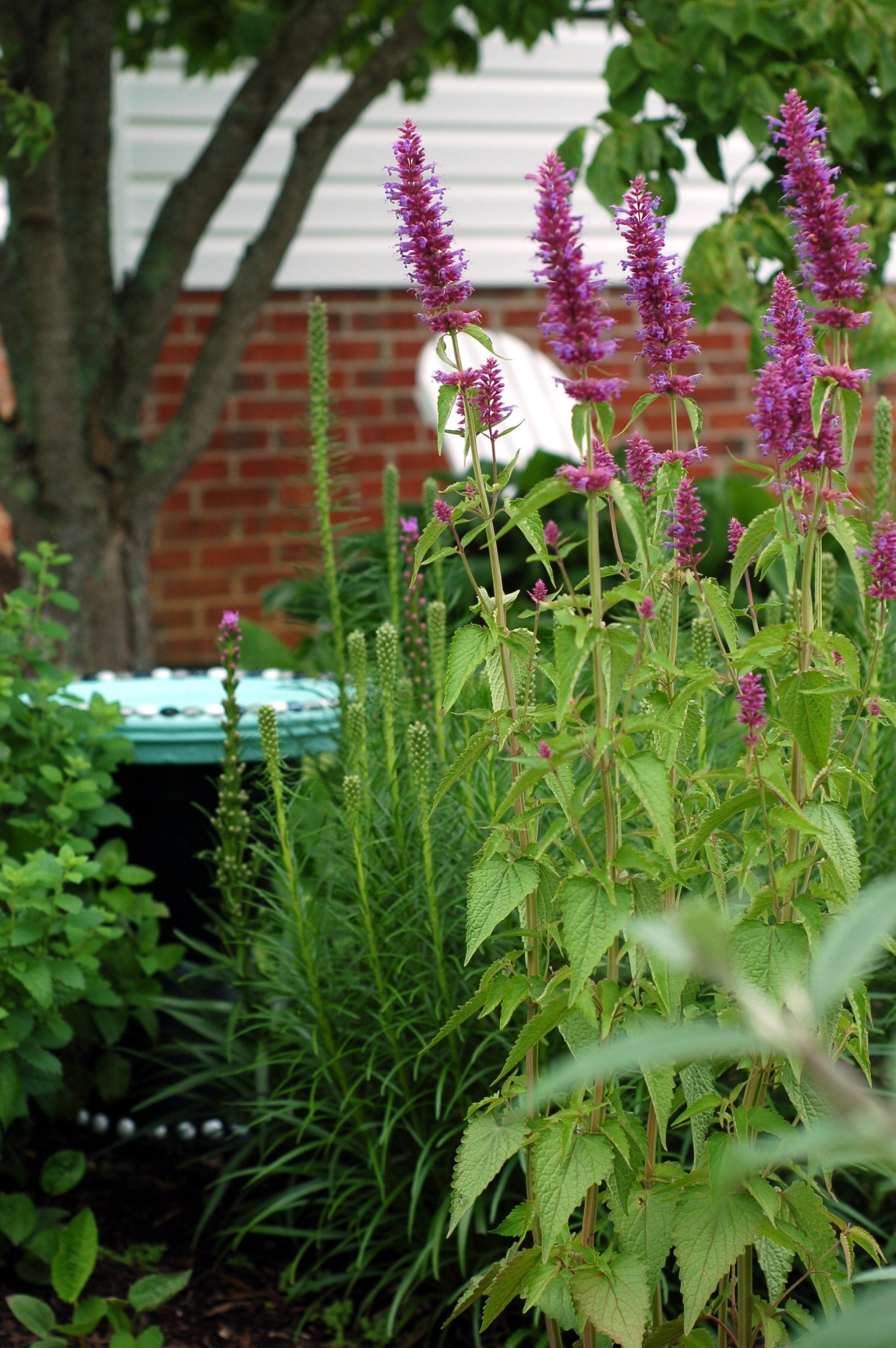
Agastache (foreground) and liatris about to bloom (behind the agastache)
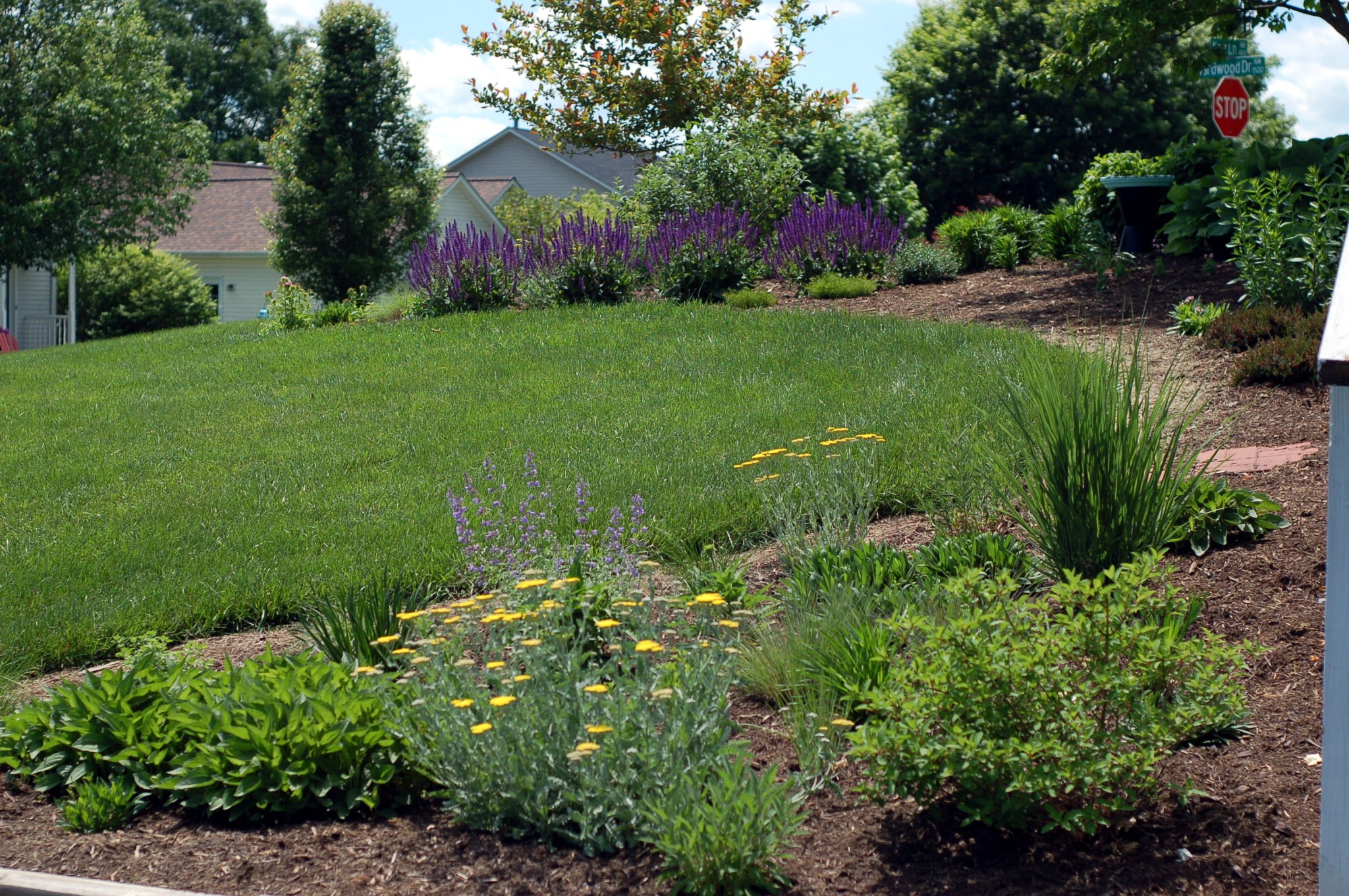
The roses, penstemon, perennial salvias, and yarrows are in bloom. Zinnia seeds are in the ground, echinacea buds are forming, and the summer bloomers are starting to get full in their foliage.
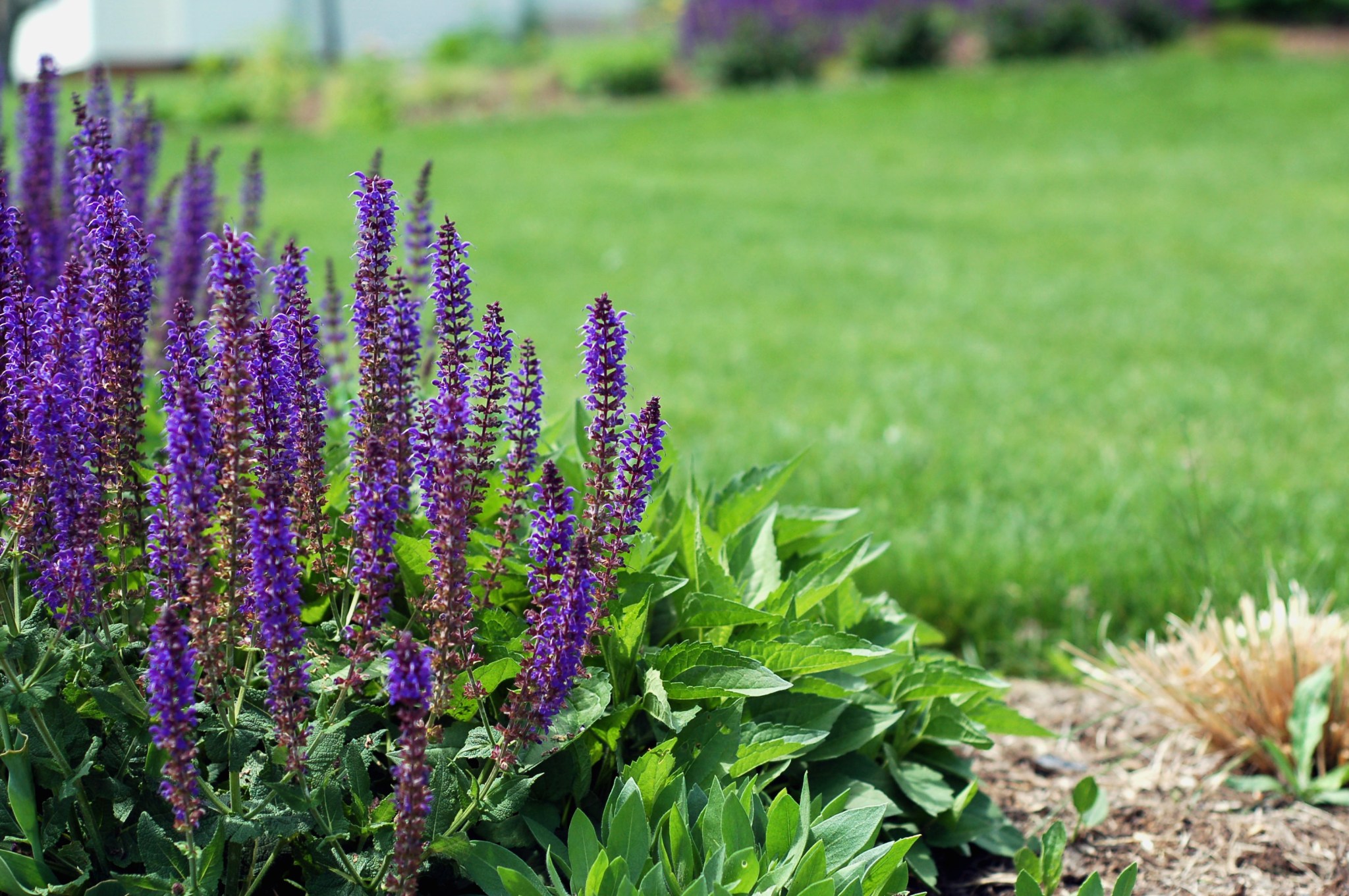
I always love photographing the yarrow and salvia in May when they’re fresh and peaking. This time of year makes me want to fill the garden with them, though by summer’s end, I’m always glad I haven’t. It’s nice to have the bright zinnias and black-eyed Susans to fill in the space at their peak when the indigo salvia and yarrow are past their prime.
But for now, they sure are pretty.
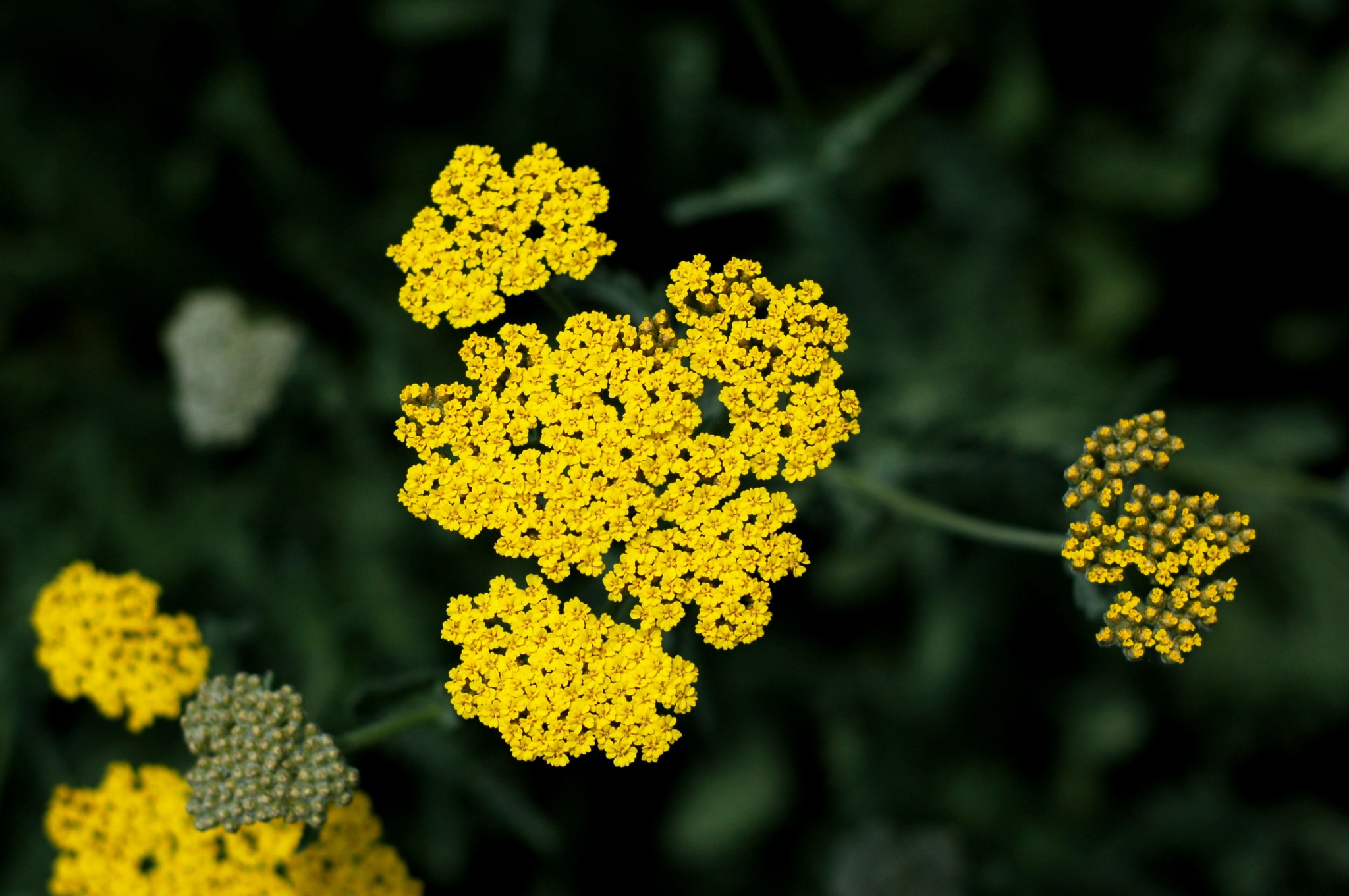
Yarrow
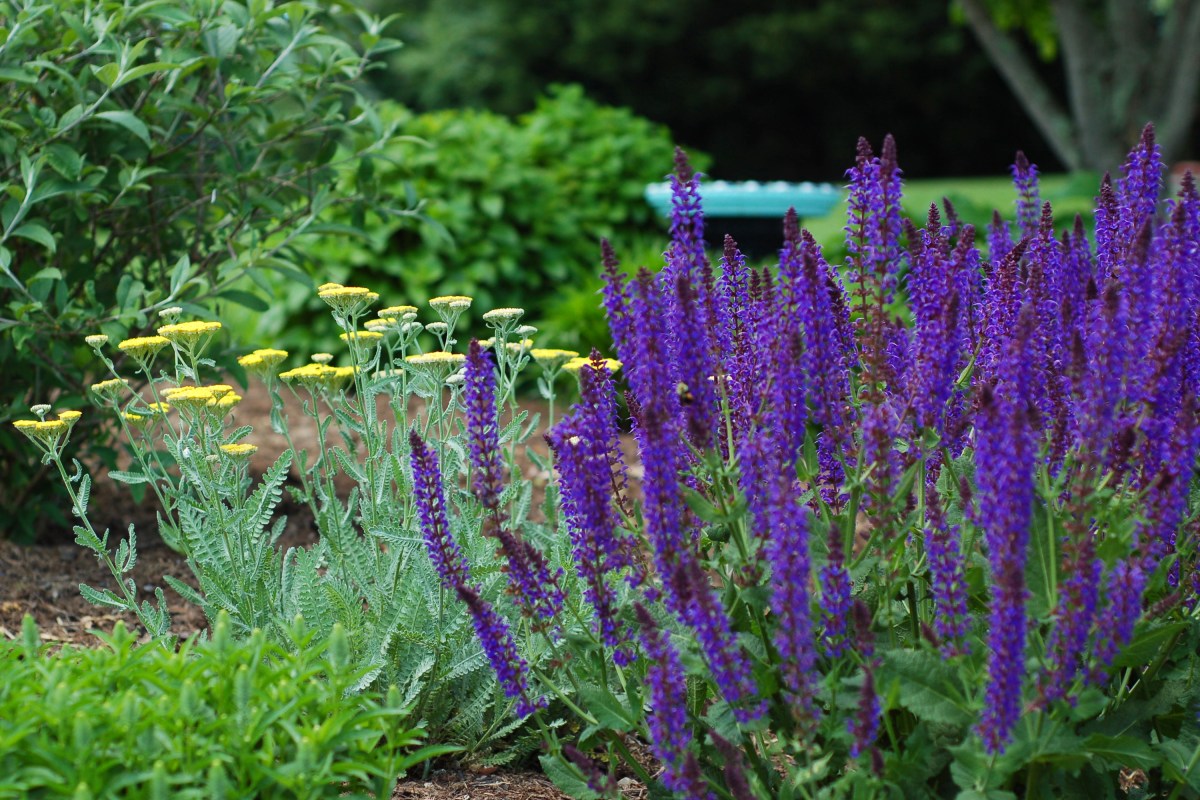
Yarrow and (indigo?) salvia
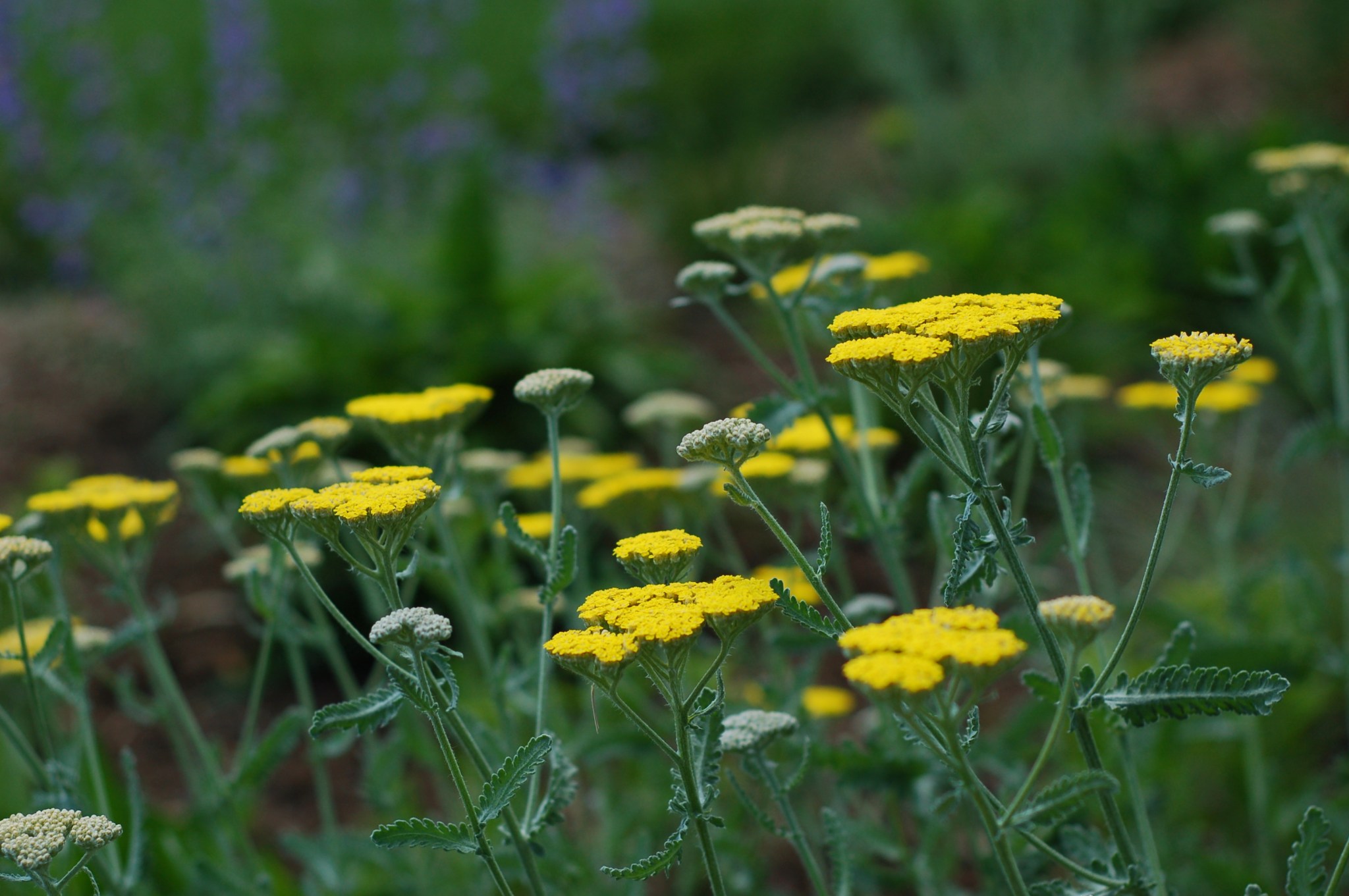
More yarrow 😀
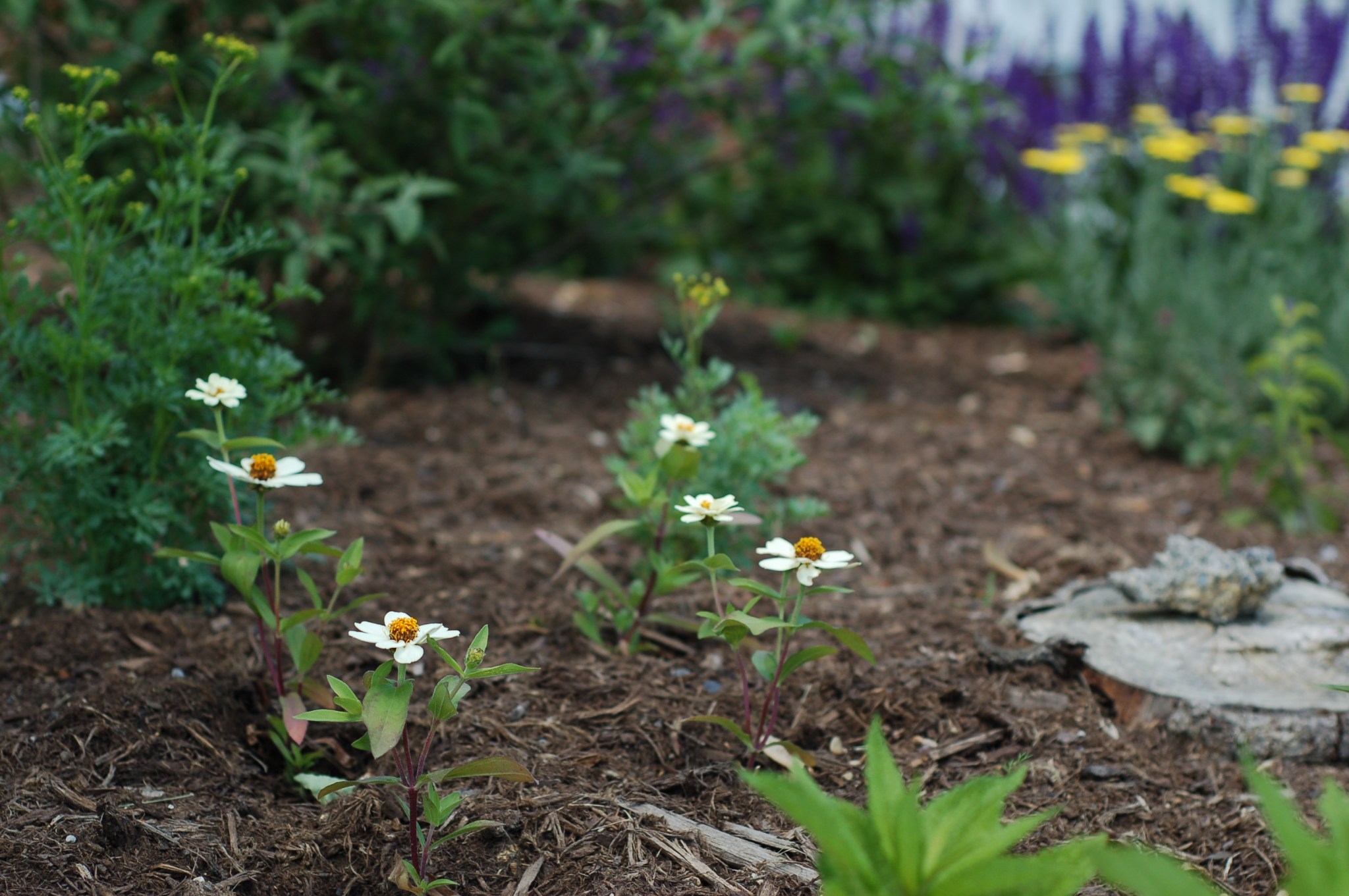
I couldn’t resist these little zinnias at the nursery






















 Andrea's Gardening Blog